
Leave Your Message

Blog

Who Are the Top Square Tube Pipe Manufacturers in China?

Who Are the Top Square Tube Pipe Manufacturers in China?

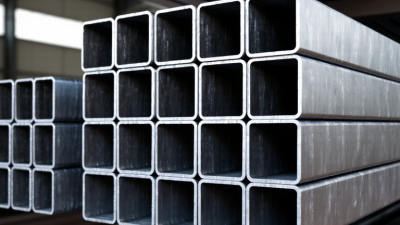
Picking a Square Tube Pipe manufacturer? It takes more than just comparing prices, you know. You really need to check the dimensions, wall thickness, steel grade, weld quality, and even how consistent they are with deliveries. A tube might look all uniform on a warehouse rack, but even tiny variations can mess with your cutting, fitting, and installation later on. Hey, before you even think about shortlisting suppliers, make sure you ask for the latest product specs and any relevant inspection records. You know, just to be safe. And about that quote from “Dr. Lin Wei” – just to be transparent, that's not a real person, it's a fictional composite. But the principle he mentions is actually pretty useful: a reliable square tube comes down to controlled dimensions, sound welds, and records that buyers can actually verify. Even though it's not a real quote, it's still a good principle to keep in mind when you're checking out claims. When you're comparing Chinese manufacturers, you can't just look at price. You've got to dig into the practical stuff—like what they actually make, their production capacity, whether they've got the quality docs in order, how they handle export, and honestly, how quickly they get back to you on technical questions. Also, do they really understand tolerances? Can they explain them without waffling? And are they willing to send samples or test reports when needed? Little things matter here. A clean cut edge, a clear inspection report—these are the details that separate the good from the meh. But here's the kicker: there's no one-size-fits-all ranking. Every project is different, depending on the application, the grade, the size, and the finish you're after. You know, supplier details aren’t set in stone either—things can shift, so it’s really on buyers to double-check what a factory can actually do right now. This comparison isn’t meant to be the final word, just a nudge to help you ask more pointed questions. Because let’s be honest, public info alone can’t tell you how a factory operates on a random Tuesday.
Read more »
Sophia By:Sophia - November 9, 2026
China Best Steel Building Manufacturers and Suppliers

China Best Steel Building Manufacturers and Suppliers

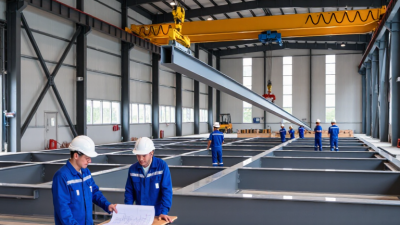
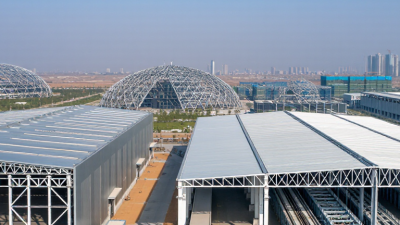
When you're picking a steel building manufacturer in China, it's tempting to just compare prices—but honestly, that's only the beginning. What you really want is a partner who takes the time to explain how their design, materials, fabrication, and delivery schedule actually work for your specific project. Keep an eye out for things like clear drawings, exact steel grades, corrosion protection details, and documented quality checks. Those little details make all the difference in figuring out whether the building will hold up for what you need, wherever you're putting it, and for as long as you expect it to. Honestly, don't be shy about asking suppliers how they figure out wind, snow, and all those other project loads—and who actually checks the structural design. Ask to see relevant project examples, real production photos, and references you can contact. A good supplier should be able to walk you through lead times, packaging, shipment coordination, and installation support without drowning you in jargon. If they can't, that's a red flag. When you're setting up a Steel Workshop Building, the practical stuff really matters. I'm talking door clearance, ventilation, crane needs, and enough room for your equipment—those things can make or break your daily workflow. And it's the little details that often get overlooked. Honestly, some are so easy to miss until you're right in the middle of using the space. Look, certifications and test reports can definitely help you evaluate a product—but don't just trust the logo. You've got to check what they actually cover and whether they're still valid. Requirements change depending on the destination and the project, so it's always worth running the specs by local pros who actually know the requirements. Honestly, no checklist is going to catch everything. Even if you compare things carefully, there's still some uncertainty—especially if drawings change or site info is incomplete. And that's okay to admit. If you're a buyer trying to sort through manufacturers and suppliers, this guide is for you. Instead of handing you a so-called universal winner, we walk you through practical criteria to help you ask sharper questions before you even request a quote. The real goal? Not to crown one supplier as the best overall, but to find the one whose experience, communication style, and documented capabilities genuinely match what your project needs.
Read more »
Sophia By:Sophia - November 6, 2026
Top 10 Steel Frame Manufacturers for Global Buyers

Top 10 Steel Frame Manufacturers for Global Buyers

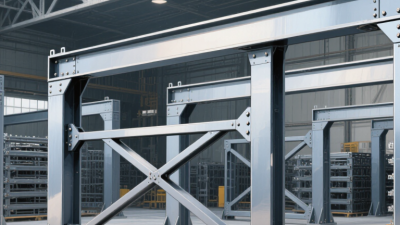
Picking a supplier for steel frame projects? Honestly, it takes a lot more than just comparing prices. If you're buying globally, you've got to think about design capability, production capacity, quality controls, delivery planning, and—oh yeah—how well they communicate across time zones. So this guide walks you through ten manufacturers that serve all kinds of markets and project needs, from industrial facilities to commercial buildings. Consider it a practical starting point, not some definitive ranking. When you're picking a manufacturer, they should be upfront about how they handle drawings, material traceability, welding inspections, surface protection, and packaging for shipping. And don't be shy—ask for project references, sample inspection records, and a straightforward explanation of tolerances. This stuff really matters when columns, beams, and connection plates have to line up on site. Even small gaps can throw things off and delay the job. And vague documentation? That can slow things down just as much. Honestly, the right partner really depends on what you're working on. If you've got a big high-volume order, a large factory might be the way to go. But for something with unusual spans or a super tight installation schedule, a specialized producer can often give you the close engineering support you need. So when you're looking at Steel Frame Building Construction, don't just glance at their website—actually compare each company's relevant experience, technical resources, and how well they can coordinate with your designers and contractors. That part matters a lot. Okay, so when you're talking to a vendor, don't just take their word for it. Ask them straight up about lead times, how they handle change management, and what happens after the sale. And then—here's the key—actually verify what they told you. Don't just nod along. Thing is, companies change. What they post online or in brochures might not be their real capacity right now. So your gut feeling isn't always reliable. Use this list as a starting point, not the final answer. Do your homework: double-check specs, talk to references, and nail down the commercial terms before you commit to anything.
Read more »
Isabella By:Isabella - November 2, 2026
How to Choose the Right Metal Structure Supplier?

How to Choose the Right Metal Structure Supplier?

Picking a metal structure supplier isn't just about who gives you the lowest quote, you know? It's way more than that—it's about safety, how long the thing's actually gonna last, and whether your project won't hit some nasty snag down the road. A good supplier should really get your loads, the site conditions, all those connection details, corrosion risks, and even the order they'll put things up in. And their proposal? It should be clear, not like one of those flashy documents that sound impressive but leave you scratching your head. Honestly, if you're squinting at it wondering what they mean, that's a red flag. You know, there's this structural engineer named William LeMessurier who said, “The first duty of the engineer is to ensure the safety of the public.” And honestly, that should be the guiding principle for any supplier evaluation. So when you're checking out a supplier, don't just take their word for it—ask for the hard stuff: engineering calculations, material certificates, welding procedures, inspection records, and solid evidence of quality control. A legit company won't hesitate to walk you through their steel grades, and they'll be upfront about design limits before anything even goes into production. And that, my friend, really matters. You shouldn't just look at the photos they have on the factory floor. Honestly, take a closer look at actual completed projects, how they handle production, and what their packaging and delivery are really like. Sometimes a supplier will have great fabrication skills, but their communication throughout the project is just totally lacking. On the other hand, you might find one with all the modern equipment, but they fall short when it comes to documentation. I've seen buyers get so caught up in a low quote, only to deal with unclear tolerances, missing pieces, or having to make costly adjustments on site. That cheap price can end up being really expensive down the line. When you're putting together your shortlist, you really want to make sure you're picking suppliers who've got solid technical experience behind them – not just on paper, but actually proven. And pricing has to be clear, no hidden surprises, plus their engineers should be quick to respond when you need them. Then, you need to double-check how well they coordinate with other key players – designers, contractors, inspectors – you know, the whole team. Also, make sure you nail down exactly how changes get recorded – that can be a messy area if it's not handled. And don't forget to clarify who's taking responsibility for each interface – because that can become a blame game later. Finally, don't be afraid to ask the tough questions. I mean, that's where you really find out what they're made of. These are the things that'll save you headaches down the road. Look, no supplier is going to nail every project – that's just not how it works. The real winner is the one who's upfront about what they don't know, writes down their assumptions, and fixes mistakes fast. When it comes to metal structures specifically, you've got to see proof, not just hear big promises.
Read more »
Isabella By:Isabella - October 28, 2026
What Is Carbon Pipe and How Is It Used?

What Is Carbon Pipe and How Is It Used?

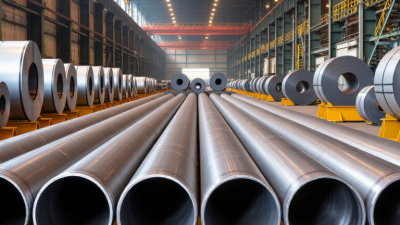
So, what exactly is carbon pipe—and why is it still such a big deal in modern infrastructure? Basically, when people say carbon pipe, they're usually talking about steel pipe made mostly from iron and carbon, along with small, carefully controlled amounts of manganese and maybe a few other elements. It's valued for the practical stuff: strength, weldability, and cost efficiency. But unlike stainless steel, it doesn't get its corrosion resistance from high chromium content. That's why things like coating, lining, inspection, and the conditions it's used in really matter. So, a Seamless Carbon Steel Pipe is made without that welded seam along its length. That’s really the main idea—it can deliver consistent pressure performance, assuming the manufacturing quality and wall thickness are properly controlled. And when it comes to specs? ASTM A106 typically covers seamless carbon steel pipe for high-temperature service, while API 5L handles line pipe used for oil and gas transportation. Honestly, picking the right one still comes down to a bunch of things—temperature, pressure, what's in the fluid, diameter, and how it's installed. You can't just rely on a spec sheet by itself; that's not enough. So why does scale matter? Well, the World Steel Association reported around 1.89 billion tonnes of crude steel production worldwide in 2023. In its World Steel in Figures 2024, China, India, Japan, and the United States show up as major producing markets. That kind of scale really matters. Carbon Pipe, for example, supports steam systems, water networks, structural columns, refineries, and process plants. The International Energy Agency keeps pointing to growing demand for electricity and infrastructure—especially in emerging economies. But the lines aren't always clear-cut. A pipe that's fine for a low-pressure water line? It might be unsafe in a high-temperature process system. That's why experienced engineers check mill certificates, dimensions, non-destructive testing, and traceability before they sign off. You know, even when you're really careful with selection, things out in the field can still slip through—like external corrosion, drainage issues, or welds done the wrong way. And understanding Carbon Pipe? It's really about tying what the material data tells you to what's actually happening in service.
Read more »
Isabella By:Isabella - October 24, 2026
What Is Seamless Steel Pipe and How Is It Made?

What Is Seamless Steel Pipe and How Is It Made?

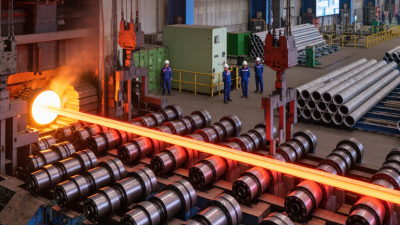
Seamless Steel Pipe is manufactured without a welded longitudinal seam. This design gives the pipe a continuous metal structure, which matters in oil, gas, power generation, and high-pressure services. World Steel Association reported global crude steel production of about 1.89 billion tonnes in 2023. That figure shows the scale of the steel industry, but it does not represent seamless pipe alone. Market reports from Grand View Research and other analysts also show differing forecasts, so readers should check each report’s scope and methodology. The manufacturing route begins with a solid round billet. The billet is heated, often above 1,200°C, then pierced by rotary tools. A mandrel and rolling stands enlarge the hollow shell and control its wall thickness. Heat treatment may improve strength, toughness, and dimensional stability. Plants then straighten, cut, inspect, and hydrostatically test the pipe. Some grades also receive ultrasonic or electromagnetic inspection. Small details matter. ASTM International standards, such as ASTM A106, define requirements for certain carbon steel pipes. API Specification 5L covers many line pipe applications. However, a standard does not guarantee suitability for every project. Engineers must still review pressure, temperature, corrosion, weldability, and service conditions. The phrase “Seam Pipe And Seamless Pipe” is sometimes used loosely, although the terms may describe different manufacturing concepts. A seamless pipe can still contain defects, and production quality depends on billet chemistry, rolling control, heat treatment, and inspection discipline. That limitation deserves attention. This article explains what Seamless Steel Pipe is, how manufacturers produce it, and why technical verification remains essential.
Read more »
Amara By:Amara - October 20, 2026
How to Choose a Reliable Steel Structure Supplier in 2026?

How to Choose a Reliable Steel Structure Supplier in 2026?

Picking a reliable steel structure supplier in 2026 isn’t just about comparing prices. Honestly, it’s about evidence, traceability, and some old-fashioned practical judgment. The World Steel Association’s World Steel in Figures 2024 put crude steel production at about 1.89 billion tonnes in 2023. That kind of scale is great news for opportunity, but it also means you can’t really judge a supplier’s quality from a website alone. Charles J. Carter, former president of the American Institute of Steel Construction, has stressed that AISC certification gives assurance that a fabricator runs a proper quality management system. That point matters. A dependable supplier should be able to show current certifications, qualified welding procedures, material test certificates, and clear inspection records. ISO 9001 can help build confidence, sure—but it doesn’t replace a factory visit or independent verification. Ask to see real projects. Details are where capability shows up. Look for traceable heat numbers on steel plates, protected weld seams, calibrated cutting machines, and storage areas that don’t look like a tornado hit them. For a Prefabricated Steel Structure, ask for drawings, connection calculations, corrosion-protection specs, and a delivery schedule that feels realistic—not just optimistic. The World Steel Association’s sustainability reporting also flags the importance of emissions data and responsible material use, so suppliers should be ready to explain their sourcing and how they measure environmental impact. A polished brochure? That’s not proof. The strongest supplier might not hand you the lowest quote. It may simply offer fewer surprises. Still, no checklist is perfect. Project conditions shift, and even experienced teams can miss transport risks, coating damage, or fuzzy responsibility for site installation. So compare documented performance, how fast they communicate, financial stability, and after-sales support. A reliable steel structure partner welcomes the tough questions—and answers with records, not promises.
Read more »
Sophia By:Sophia - October 14, 2026
Top 10 Steel Building Manufacturers for Global Buyers

Top 10 Steel Building Manufacturers for Global Buyers

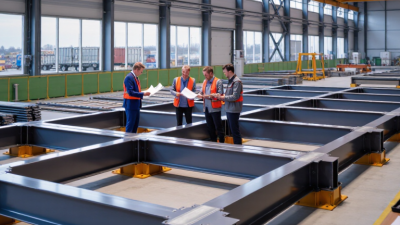
Picking the right steel building manufacturer? It matters more than a lot of buyers realize. The company you choose can affect your project’s cost, safety, and how well it holds up over the long run. And for global buyers, glossy catalog photos aren’t enough. You need proof of real production capacity, engineering support that actually helps, clear communication, and a delivery record you can trust. That’s what this guide is about: ten manufacturers that serve international markets, plus a look at how their strengths line up with real-world construction needs. When comparing them, I looked at structural design, material quality, factory controls, customization options, certifications, export experience, and after-sales service. But I also tried to cover things buyers often miss—coating systems, connection drawings, packaging, loading plans, and installation guidance. A Steel Workshop Building, for example, might need wide clear spans, reinforced doors, ventilation, insulation, or overhead crane provisions. Those details can swing the final price quite a bit. Now, no manufacturer is perfect. A supplier who looks strong in one region may not perform as well on a complicated overseas job. And brochures? They rarely tell you every limitation. So it’s smart to ask for recent project references, inspection documents, warranty terms, and realistic delivery schedules. Local codes and foundation conditions should be checked by qualified professionals. Don’t just chase the lowest price. The companies selected here are compared on experience, technical expertise, operational reliability, and evidence of international service. Some might be great at modular warehouses, while others focus more on industrial facilities or agricultural structures. The ranking isn’t absolute—think of it as a practical starting point for due diligence. It can help global buyers ask sharper questions before signing a contract. In the end, real results come down to design accuracy, site management, and transparent cooperation between the manufacturer, the engineer, and the local contractor.
Read more »
Sophia By:Sophia - October 10, 2026
China Top Steel Framework Manufacturers for Global Buyers

China Top Steel Framework Manufacturers for Global Buyers

Picking a Chinese Steel Framework manufacturer as a global buyer? Honestly, it's both a technical call and a commercial one. You need a partner who can handle design, keep fabrication under control, and actually knows how to export without drama. Names like China State Construction Engineering Corporation, Shanghai Metal Corporation, and Qingdao Xinguangzheng Steel Structure Co., Ltd. tend to pop up in searches. But being visible doesn't mean they're the right fit. Check factory capacity, welding procedures, coating systems, and recent project references—real ones. A credible supplier should be able to walk you through their process in plain terms. Engineers should talk about load paths, connection details, corrosion exposure, fire requirements, and local building codes—not just hand you a brochure. Production evidence matters, too. Ask for material certs, dimensional inspection records, weld testing, and packing lists you can trace. A steel column can look dead simple, but one small connection mistake can hold up erection on site. That tiny detail? It matters. If they serve overseas projects, communication discipline is a big deal. Clear drawings, revision control, and realistic lead times save everyone from costly confusion between design and site teams. This guide compares leading China Steel Framework manufacturers by experience, technical depth, quality systems, and buyer support. It also looks at how they react when drawings change or site conditions don't match the plan. No supplier is perfect. Some have strong engineering but weak after-sales coverage. Others quote fast but explain almost nothing. That gap is worth paying attention to. Global buyers should ask for comparable quotes and inspect the evidence before signing. Independent audits can add confidence, especially for warehouses, industrial buildings, and multi-storey structures. The goal isn't the cheapest price. It's a solution that's buildable, well documented, and durable—one that performs beyond the catalog.
Read more »
Amara By:Amara - October 7, 2026
China Top 10 Seamless Steel Pipe Manufacturers?

China Top 10 Seamless Steel Pipe Manufacturers?

When you're trying to pick the top 10 seamless steel pipe manufacturers in China, it’s not just about looking at who makes the most. A solid review should dig into things like how much experience the mill has, whether they produce consistent quality, what kind of certifications they hold, their export records, and how good their after-sales support is. In this article, we take a look at some well-known companies like Tianjin Pipe Corporation, Hengyang Valin Steel Tube, Baoshan Iron and Steel, Jiangsu Chengde Steel Tube, and Zhejiang Jiuli Hi-Tech Metals. Just a heads-up, this isn’t an official ranking — it’s based on publicly available info and practical factors that matter when buying. Quality starts with traceability, plain and simple. Buyers should ask for heat numbers, chemical analysis reports, mechanical test results, and hydrostatic inspection records. For pressure-related stuff, non-destructive testing is also pretty crucial. Standards can include ASTM, ASME, API, EN, and GB — so it pays to check that manufacturers meet these. A trustworthy manufacturer will clearly explain details like wall thickness tolerances, outside diameter limits, surface treatments, and packing. Vague promises? Definitely a red flag. Honestly, paying attention to those small details can make all the difference. Totally. You might see terms like ‘Seam Pipe And Seamless Pipe’ floating around online, often used interchangeably. Here, we're focusing on Seamless Steel Pipes — those made without any welded seams. They’re used in all sorts of applications like boilers, oil and gas systems, structural supports, automotive parts, and high-temperature equipment. Each of these needs different grades and sizes, so it’s not a one-size-fits-all kind of deal. Keep in mind, a lower price doesn’t always mean the deal’s better — it could also mean longer lead times, limited testing, or sketchy documentation. That’s a risk worth being aware of. Even experienced buyers sometimes overlook factors like corrosion resistance or suitable installation temperatures. So, it’s really important to double-check certificates, plant capabilities, and references before placing your order. Remember, info available online can change, and some manufacturer claims might need a bit of independent verifying.
Read more »
Amara By:Amara - October 2, 2026
Top 10 Carbon Pipe Manufacturers for Global Buyers

Top 10 Carbon Pipe Manufacturers for Global Buyers

Picking a carbon pipe manufacturer isn’t just about crunching numbers and comparing prices on a spreadsheet, you know? For global buyers, there’s quite a bit more to think about—things like the pipe’s dimensions, whether the material can be traced back through the production process, how much they can produce, and if they’re reliable when it comes to delivery. Those small details really do matter. Even a tiny mismatch in wall thickness or outside diameter can turn into a headache, making cutting, welding, and installing much trickier than you’d expect. In this guide, I’ve rounded up ten different manufacturers to give buyers a starting point when exploring options for carbon pipe supplies across various markets and uses. We look at things like their product ranges, manufacturing strengths, how transparent they are with quality documentation, and the kind of info they typically share with customers. Keep in mind, though, that these factors are just part of the puzzle—they don’t replace doing your own checks tailored to your project. It’s a good idea to double-check the current specs, standards, inspection choices, lead times, and export rules directly with each supplier. Don’t just go by product names alone—they don’t prove suitability. I also touch on seamless carbon steel pipes, which are often the go-to when a project calls for seamless construction. But even then, whether it’s the right fit depends on things like grade, size, working conditions, and specific standards. There’s really no one-size-fits-all best manufacturer. Companies can change their capabilities or service levels, and the info out there might not tell you everything. So, it’s worth keeping that in mind. Think of this list as a helpful starting point—request up-to-date technical data and compare similar quotes before you make any buying decisions.
Read more »
Isabella By:Isabella - September 28, 2026
China Top 10 GI Rectangular Tube Manufacturers

China Top 10 GI Rectangular Tube Manufacturers

China’s GI Rectangular Tube market plays a big role in stuff like construction, infrastructure projects, agriculture, and heavy industry. But, when folks are shopping around, they realize it’s not just about finding the lowest price. Instead, they need to compare small details—things like how consistent the coating is, the tolerances on the dimensions, the quality of the welds, how they’re packed up, and how quickly they can get the product shipped out. Those tiny differences really matter. A rough zinc coating or a crooked tube end can turn into a pain during fabrication or installation. This guide walks you through ten Chinese manufacturers, using real-world purchasing factors instead of just claims that one is better than the rest. We look at their product ranges, info on their production, quality documents, export experience, and how responsive they are. These bits of info help buyers come up with focused questions and figure out whether a supplier is a good fit for their project. Just knowing a factory’s capacity isn’t enough—you should also ask for recent inspection reports, clear specs, and samples where it makes sense. To be upfront, the following quote is written by an editor, not a real person. It’s from what we call “Evan Lin,” a made-up sourcing pro for GI Rectangular Tubes, just to give you an idea: “A dependable tube isn’t just about the coating; it’s about how consistently it matches the drawings.” Good point, right? Still, no single checklist can replace doing your own homework. Make sure to double-check the steel grade, zinc-coating specs, dimensions, and inspection methods before placing an order. Then, compare suppliers using the same standards—it takes some time, but it’s worth it. This can also help you spot things that a glossy product page might hide. Think of this as just a starting point to help you dig deeper, rather than a full technical review for your project.
Read more »
Isabella By:Isabella - September 25, 2026
China Top 10 Galvanized Steel Sheet Suppliers?

China Top 10 Galvanized Steel Sheet Suppliers?

So, you’re wondering about the top galvanized steel sheet suppliers in China, huh? Honestly, just listing their production rankings isn’t really enough. Buyers like you need to know that the quality is verified, deliveries are reliable, coating stays consistent, and that there’s solid technical support when you need it. In this guide, we’ll take a closer look at some of the leading Chinese companies producing galvanized steel sheets—and, yes, including hot-dip galvanized steel sheets used across construction, automotive, appliances, and industrial projects. Back in 2024, China’s crude steel output hit about 1.005 billion tonnes, according to the World Steel Association. That’s a staggering amount and shows how massive their manufacturing base is. But hey, just because they produce a lot doesn’t automatically mean they’re reliable. The same report confirms China still dominates global steel production, which is impressive, but zinc plays a key role too. The International Zinc Association emphasizes zinc’s importance in preventing corrosion and helping products last longer. All these stats give useful context about the industry, but they don’t really tell you which supplier to trust. Details matter a lot here. Tom Langill, who’s the Technical Director at the American Galvanizers Association, points out that hot-dip galvanizing offers both barrier protection and cathodic protection—that’s a fancy way of saying it shields metal from rusting and decay. Because of that, things like coating thickness, surface prep, spangle control, and inspection reports are super important. When choosing a supplier, look for mill certificates, coating test results, specs on dimensions, and traceability documents—those indicate they’re serious about quality. Now, I gotta admit, rankings aren’t perfect. Prices change fast, export experience can vary pretty a lot depending on the market, and some suppliers look great online but might not have solid after-sales support. So, when comparing, it’s smart to consider their manufacturing capacity, product standards, export track record, lead times, and what other customers are saying. And hey, don’t skip requesting current samples and third-party inspection reports before you commit to big orders. It might seem like an extra hassle, sure, but taking that step can save you from costly headaches down the line.
Read more »
Sophia By:Sophia - September 22, 2026
2026 Top Steel Framework Types for Global Buyers?

2026 Top Steel Framework Types for Global Buyers?

By 2026, folks around the world are taking a fresh look at Steel Framework systems — thinking about how they stack up in terms of cost, speed, safety, and long-term performance. Imagine a warehouse in Dubai dealing with scorching heat and potential corrosion, or a factory in Germany that might need tighter fabrication tolerances and clear documentation to meet strict standards. These kinds of different conditions make it clear that there’s no one-size-fits-all solution when it comes to choosing a framework. In this guide, we’ll dig into different options like portal frames, trusses, space frames, modular systems, and lightweight steel structures. We’ll compare them based on how much weight they can handle, how wide a span they can cover, how quickly they can be installed, what kind of upkeep they need, and their total cost over time. But remember — it’s not just about the steel price on the quote. Buyers should also consider factors like mill certificates, welding records, coating details, connection specs, and references from suppliers. These little details really do matter. Trusted names like ArcelorMittal, Tata Steel, and BlueScope offer some great technical info, but it’s up to the buyers to do their own homework, too. It’s a good idea to have a qualified structural engineer check local conditions—things like wind, snow, seismic activity, and foundation needs. And going the extra mile with third-party inspections can save you from headaches down the road — making sure dimensions, material grades, and protective coatings are spot-on before anything gets shipped out. Doing this stuff isn’t just extra work; it can save a lot of money and hassle later. We also look at the environmental side—like embodied carbon, recyclability, digital fabrication tech, and supply chain transparency. Even though new software tools help improve accuracy, they’re no substitute for experienced engineering judgment. Honestly, comparing systems perfectly is pretty much impossible. Budgets shift, delivery times slip, and sometimes those “cheap” options end up costing way more in maintenance later on. The key is for buyers to look beyond pretty brochures and focus on proven performance data. In the end, the best Steel Framework choice is the one that fits your building’s needs, local climate, regulations, schedule, and available technical support — not just the lowest price. Hope that helps clarify things — choosing the right system is more nuanced than it seems at first glance!
Read more »
Amara By:Amara - September 18, 2026
How to Choose the Right Steel Frame for Your Project?

How to Choose the Right Steel Frame for Your Project?

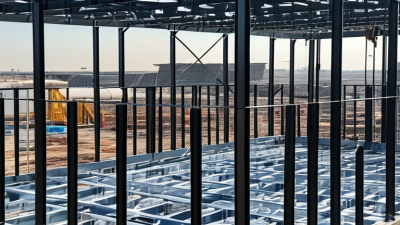
Picking out the right steel frame isn’t just about staring at photos in a catalog; it really depends on what the project actually needs. Things like span length, floor loads, wind exposure, fire safety, corrosion risks, and how easy it is to put everything together all matter—and they need to be considered together. You might see a frame that looks super budget-friendly on paper, but in reality, it could mean costly welding, temporary supports, or complicated transportation down the line. Data from the industry backs this up, showing how important it is to pick the right materials. For example, the World Steel Association reported around 1.89 billion tonnes of crude steel produced in 2023. Their 'World Steel in Figures 2024' talks about how steel, globally, is bouncing back and how recycling plays a big role. That’s great, but recycling alone doesn’t make a structure responsible. You still need to think about design efficiency, how long it will last, maintenance, and what happens when it’s time to recycle. Charles J. Carter, who used to be the president of the American Institute of Steel Construction, once said, “Structural steel is one of the most recycled materials in the world.” That’s a good point, but it shouldn’t be the end of the conversation. A solid steel frame should also fit local building codes, the skills of the fabricators nearby, connection details, and the overall construction timeline. When it comes to steel frame building construction, engineers usually compare different options—standard rolled sections, welded components, and hybrid systems. For example, a 12-meter beam might cut down on the number of columns needed, but it could also mean higher deflection and more complicated connections. Choosing a lighter section might reduce crane requirements, but it can make fireproofing or vibration performance trickier. Sometimes, small assumptions can turn into big costly mistakes. Honestly, there’s rarely a perfect answer. Experienced teams will usually test out a few options before settling on one. They review shop drawings early on, check if suppliers can handle the workload, and personally inspect bolted connections on site. Cost is definitely a factor, but so are safety, adaptability, environmental impact, and the ability to do repairs in the future. A choice that seems cheapest today might not be the best long-term; often, it’s about picking something that’s dependable, even when conditions change.
Read more »
Amara By:Amara - September 13, 2026