Picking a carbon pipe manufacturer isn’t just about crunching numbers and comparing prices on a spreadsheet, you know? For global buyers, there’s quite a bit more to think about—things like the pipe’s dimensions, whether the material can be traced back through the production process, how much they can produce, and if they’re reliable when it comes to delivery. Those small details really do matter. Even a tiny mismatch in wall thickness or outside diameter can turn into a headache, making cutting, welding, and installing much trickier than you’d expect.
In this guide, I’ve rounded up ten different manufacturers to give buyers a starting point when exploring options for carbon pipe supplies across various markets and uses. We look at things like their product ranges, manufacturing strengths, how transparent they are with quality documentation, and the kind of info they typically share with customers. Keep in mind, though, that these factors are just part of the puzzle—they don’t replace doing your own checks tailored to your project. It’s a good idea to double-check the current specs, standards, inspection choices, lead times, and export rules directly with each supplier. Don’t just go by product names alone—they don’t prove suitability.
I also touch on seamless carbon steel pipes, which are often the go-to when a project calls for seamless construction. But even then, whether it’s the right fit depends on things like grade, size, working conditions, and specific standards. There’s really no one-size-fits-all best manufacturer. Companies can change their capabilities or service levels, and the info out there might not tell you everything. So, it’s worth keeping that in mind. Think of this list as a helpful starting point—request up-to-date technical data and compare similar quotes before you make any buying decisions.
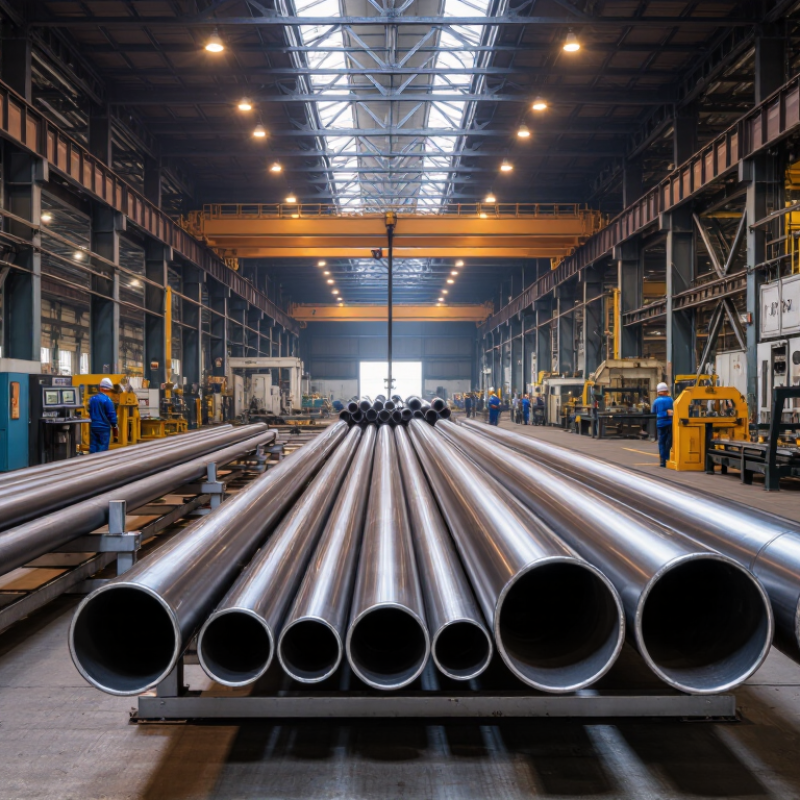
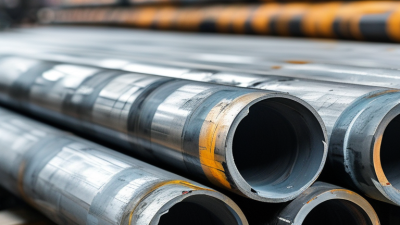
Carbon steel pipe is a hollow product made mainly from iron and carbon, with its composition tailored for strength and workability. It transports water, steam, oil, gas, and process fluids through industrial facilities and infrastructure. Unlike stainless steel, it can corrode when exposed to moisture or certain chemicals, so coatings and maintenance may be necessary. That detail matters.
Pipe is manufactured as seamless or welded. A Carbon Steel Seamless Steel Pipe has no longitudinal weld and may suit services requiring consistent wall integrity. Seamless construction alone does not guarantee suitability for every pressure or temperature. Engineers check the material grade, diameter, wall thickness, operating conditions, and project specification. Mismatches cost money.
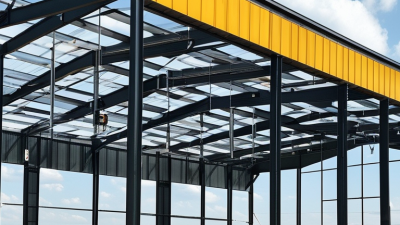
Common applications include boiler lines, building supports, water networks, and industrial plants. On site, crews may cut, bevel, and weld sections, then inspect or test the joints. Storage matters too: outdoor exposure can cause rust before installation. A painted surface cannot replace checking material records or inspecting the pipe’s interior. Honestly, selection is not always neat; fluid chemistry, corrosion allowance, and maintenance access can change the practical choice. Final specifications should be reviewed against documented design requirements by qualified engineering personnel.
Selection should begin with service conditions: fluid, pressure, temperature, corrosion allowance, and joining method. Check whether the manufacturer’s documented process meets the specified standard, such as API 5L or ISO 3183. Request heat-number traceability, mill test certificates, dimensional records, and independent inspection results. Paper matters. Verify that certificates match the actual pipe batch, not just a sample product.
Capacity deserves direct checking. The World Steel Association reported 1,888.2 million tonnes of global crude steel production in 2023, but national output does not prove a mill can form, test, and ship the required pipe. Ask about pipe-forming lines, testing equipment, monthly capacity, and recent delivery performance. The IEA’s Iron and Steel Technology Roadmap (2020) estimates steelmaking causes about 7% of global energy-system emissions. Buyers can therefore request energy or emissions data, while checking how it was measured. A supplier’s figures may not be directly comparable.
Tips: Confirm coating, end finish, packing, and inspection scope in writing. A low quote is not automatically a warning; unclear exclusions are. Even a thorough audit leaves some uncertainty, so keep the shortlist provisional until sample records and delivery plans are checked.
Global buyers should compare mills by process, size range, testing, and delivery record—not by catalogue breadth alone. World Steel Association’s World Steel in Figures 2024 reports 1,892.2 million tonnes of crude steel production in 2023. That scale matters, but it does not prove a supplier can consistently make a particular Carbon Steel Pipe specification. Details matter.
Ten useful manufacturer profiles reflect different strengths: seamless mills for high-pressure service; electric-resistance-welded producers for common diameters; spiral-welded mills for large-diameter line pipe; longitudinal submerged-arc-welded producers for demanding projects; heavy-wall specialists; small-bore precision makers; oilfield tubular producers; structural pipe manufacturers; mills with in-house coating and lining; and regional makers offering cutting and stock support.
Buyers should check available grades, dimensional tolerances, weld inspection methods, hydrostatic testing, and traceable mill test certificates. Ask for recent inspection records. A polished brochure is not evidence.
The fit depends on the job. A large-diameter line pipe producer may not be the best source for small, tight-tolerance tubing, while a stock-focused supplier may shorten delivery but offer fewer production options. Verify claims against the applicable project specification and request sample documentation before placing an order. World steel output is a useful backdrop, not a quality measure. I would also question any profile that promises every size and grade; capacity still has limits.
A useful comparison of carbon pipe manufacturers starts with the product range, not a headline capacity figure. Check available outside diameters, wall thicknesses, and standard stock lengths against your drawings. A supplier may list a broad range but produce only a few sizes regularly. Ask which dimensions are made in-house and which require outside processing.
Standards matter at the order level. Confirm the required grade, manufacturing route, dimensional tolerances, and inspection documents before comparing quotes. Depending on the application, buyers may need mill test certificates or specific testing records. Verify the standard edition and acceptance criteria; a familiar standard name alone does not settle every detail. Searches for “Carbon Round Pipe sippliers” should lead to practical questions, not just catalog browsing.
Tips: Request a current size-and-grade matrix, typical lead times, and realistic monthly output. Ask whether capacity figures include finishing and inspection. A sample certificate can clarify what records accompany shipment. Small gaps between stated and available capacity can affect delivery, so confirm them in writing.
| Profile | Typical Product Range | Manufacturing Route | Relevant Standards | Production Capacity Information | Buyer Verification Focus |
|---|---|---|---|---|---|
| 1. Seamless line-pipe specialist | Seamless carbon-steel pipe for pipeline and general conveyance applications | Seamless hot forming, with optional heat treatment and finishing | API Spec 5L; ISO 3183; ASTM A106/A106M where applicable | Facility-specific; annual tonnage is not stated here and should be requested directly | Grade, wall-thickness tolerances, heat-treatment route, traceability, and inspection records |
| 2. ERW/HFW pipe producer | Welded carbon-steel pipe for water, structural, and selected pipeline applications | Forming from strip or coil followed by electric-resistance or high-frequency welding | ASTM A53/A53M; API Spec 5L; ISO 3183, depending on product and order | Depends on line count, product dimensions, and operating shifts; obtain a current mill statement | Weld-seam inspection, dimensional range, testing frequency, and specification compliance |
| 3. Large-diameter LSAW producer | Longitudinally welded pipe commonly used for large-diameter transmission projects | Plate forming with longitudinal submerged-arc welding | API Spec 5L; ISO 3183; project-specific pipeline requirements | Project and line dependent; confirm available plate thickness, diameter, and delivery schedule | Plate origin, weld procedures, non-destructive testing, hydrostatic testing, and dimensional tolerances |
| 4. Large-diameter SSAW producer | Spiral-welded carbon-steel pipe for water transmission, piling, and selected pipeline uses | Helically formed strip with submerged-arc welding | API Spec 5L or project specifications where the product is qualified; ASTM A252 for piling pipe where applicable | Varies with coil availability, pipe dimensions, and finishing capacity; request project-specific output details | Permitted application, weld inspection, end preparation, coating compatibility, and acceptance criteria |
| 5. Pressure-service pipe producer | Seamless or welded carbon-steel pipe intended for pressure-service applications | Route depends on the ordered product; seamless and welded products are not interchangeable by default | ASTM A106/A106M; ASTM A53/A53M; EN 10217 series, as applicable | Product-specific; confirm the manufacturer’s qualified sizes, grades, and available production slots | Design code requirements, material test certificates, heat numbers, testing, and third-party inspection needs |
| 6. Low-temperature carbon-pipe producer | Carbon-steel pipe specified for low-temperature service | Seamless or welded production, subject to the ordered grade and specification | ASTM A333/A333M | Not comparable without grade and size details; verify qualification and lead time for the exact order | Impact-test requirements, test temperature, heat treatment, and supplementary project requirements |
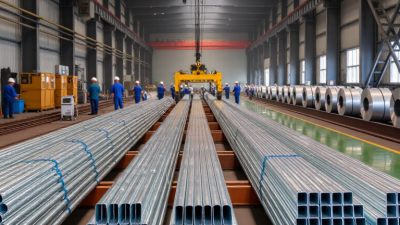
| 7. Structural pipe and tube producer | Carbon-steel structural tubing for building, mechanical, and general structural uses | Commonly formed and welded from strip or coil | ASTM A500/A500M; EN 10219 series, where specified | Depends on section shape, dimensions, and production line; request capacity by product family | Shape and dimensional tolerances, mechanical properties, corner geometry, and intended-use specification |
| 8. Piling-pipe producer | Welded or seamless steel pipe used in foundation and piling applications | Production route varies by diameter, wall thickness, and order requirements | ASTM A252/A252M | Project-based; verify lengths, end details, available wall thicknesses, and shipment schedule | Specified grade, pile length, weld quality, end preparation, and inspection documentation |
| 9. Coated line-pipe supplier | Carbon-steel line pipe supplied with a specified external or internal coating system | Pipe manufacture plus separate or integrated coating operations | Base pipe standard such as API Spec 5L or ISO 3183; ISO 21809 series for applicable external pipeline coating systems | Pipe and coating capacity may be separate; confirm coating line availability and project throughput | Coating type, surface preparation, thickness, holiday testing, repair procedure, and handling requirements |
| 10. Project-oriented multi-process supplier | A mix of seamless and welded carbon-steel pipe, with optional testing, end finishing, and coating coordination | May combine in-house production with qualified external processing; scope must be confirmed | Applicable standard depends on the ordered product, including API Spec 5L, ASTM A53/A53M, and relevant EN specifications | Capacity should be stated by process and product type; a single aggregate figure may not reflect order-ready capacity | Manufacturing scope, subcontracted operations, inspection responsibility, traceability, and delivery commitments |
Regional strengths shape how Carbon Pipe reaches global buyers. World Steel Association’s World Steel in Figures 2025 reports 1,882.6 million tonnes of crude steel production in 2024. China accounted for 1,005.1 million tonnes. This signals substantial upstream capacity, not guaranteed pipe availability. That distinction matters.
East Asian suppliers often serve high-volume orders, while European mills are associated with demanding specifications and established inspection systems. North American buyers may value local stock and shorter inland delivery routes. India’s expanding steel base adds another sourcing option. These are broad patterns, not promises. Verify each mill’s product range, test documentation, and current lead time.
Trade data needs careful reading. UN Comtrade’s HS 7304 and 7306 categories track steel tubes and pipes, but include different products and material grades. They cannot, alone, confirm carbon-pipe capacity or quality. For a real comparison, buyers should check wall-thickness tolerances, mill test certificates, coating requirements, and port-to-site transit. A low factory price can lose its appeal after freight, inspection, and delay costs. Small detail. And worth checking.
Choosing a carbon pipe manufacturer starts with evidence, not polished sales language. Ask for the applicable material test reports and match heat numbers to pipe markings, bundles, and purchase documents. Check grade, dimensions, wall thickness, and test scope against the project specification. Small mismatches matter. For critical service, buyers may request independent inspection, witnessed testing, or sample verification before shipment. Certificates help, but they do not replace a clear inspection plan. A neat document folder can still leave gaps in traceability.
Check the standards named in the contract and the documents each requires. Confirm these align with destination and project requirements. Delivery terms deserve equal attention. Confirm production lead time and shipment point. Put packing, freight responsibilities, insurance, and delay notice periods in writing. Ask how pipes will be capped, separated, and protected from moisture or impact during transit. One overlooked detail: bundles may arrive intact, yet identification tags can be unreadable. It happens. Agree on remedies for shortages or damage before placing the order. Comparing quotations line by line takes effort; buyers should revisit assumptions about inspection timing and what counts as acceptable evidence.
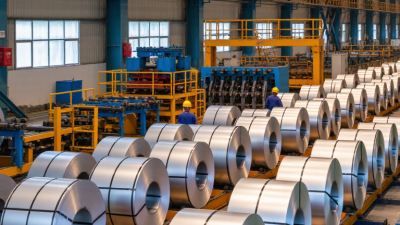
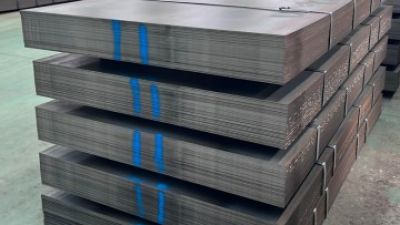
High-strength hot-rolled carbon steel plates help structural projects achieve robust load-bearing performance while supporting efficient material use. Their combination of strength, formability, and weldability makes them suitable for bridges, industrial buildings, equipment frames, and other demanding applications. The World Steel Association reports that more than 650 million tonnes of steel are recycled annually, reflecting the material’s established role in resource-efficient construction. Actual service life, however, depends on appropriate grade selection, plate thickness, fabrication quality, and protection against corrosion—not strength alone.
Our factory works with trusted China suppliers and manufacturers to provide hot-rolled carbon steel plates tailored to project requirements. Buyers can request specifications and quality documentation, including chemical composition, mechanical properties, dimensional tolerances, and applicable test results, to support design and inspection needs. With a focus on consistent manufacturing, practical customization, and dependable service, we offer reliable, competitively priced supply options for structural applications. Engineers should confirm that the selected plate grade meets the project’s design criteria and relevant material standards, and specify suitable surface protection for the operating environment.
It is a hollow iron-and-carbon product used to carry fluids or support structures. Its composition balances strength and workability.
Common uses include water, steam, oil, gas, and industrial process fluids. Actual suitability depends on operating conditions.
Yes. Moisture and certain chemicals can cause corrosion. Coatings may help, but inspection and maintenance still matter.
Seamless pipe has no longitudinal weld; welded pipe does. Neither type automatically suits every pressure or temperature. Check the specifications.
Review the grade, diameter, wall thickness, fluid chemistry, and operating conditions. The choice is rarely tidy.
Check available dimensions, stock lengths, standards, tolerances, and manufacturing routes. A broad catalog can be misleading.
Buyers may request mill test certificates and specific inspection records. Confirm the standard edition and acceptance criteria in writing. Paperwork matters.
Request a current size-and-grade list, realistic lead times, and monthly output. Ask whether figures include finishing and inspection. Double-check.
Cutting, beveling, welding, and joint inspection may be needed. Store pipe carefully; outdoor exposure can cause rust before installation.
This article explains what Carbon Pipe is, how it is used in industries such as construction, energy, and infrastructure, and what buyers should consider when choosing a supplier. It outlines key selection criteria, including product quality, manufacturing capability, applicable standards, production capacity, and the ability to meet project requirements. The profiles of ten manufacturers offer a framework for comparing their product ranges and operational strengths without focusing on any single brand.
The article also examines how regional manufacturing hubs and international supply networks affect availability and delivery. Buyers can use these comparisons to assess quality controls, compliance documentation, lead times, and commercial terms. By weighing these factors together, they can identify suppliers suited to their specifications, schedule, and sourcing needs.