

Universal Beam vs Universal Column: What Are Their Key Differences for Steel Construction
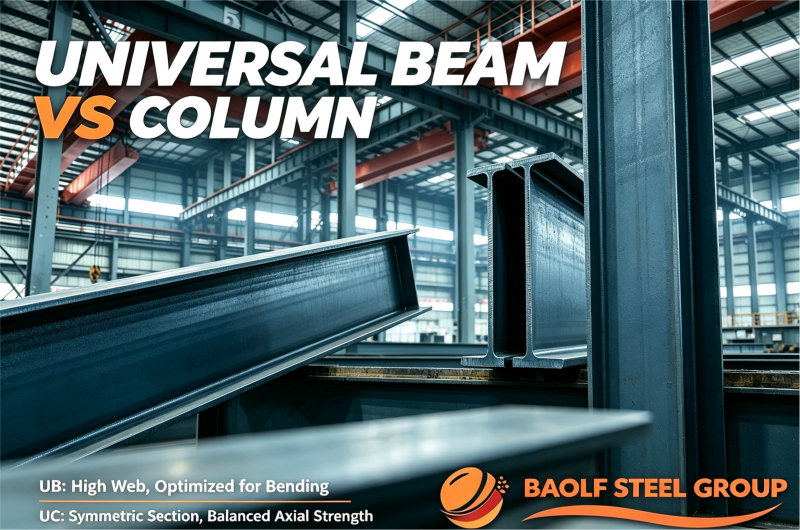
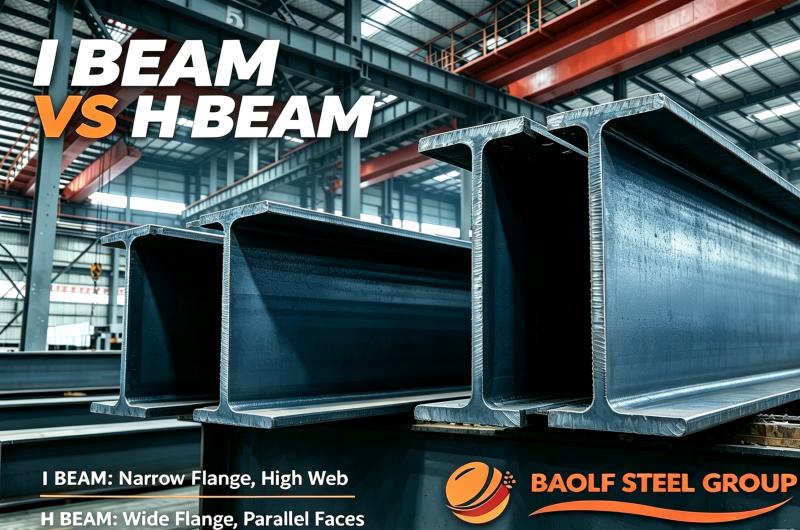
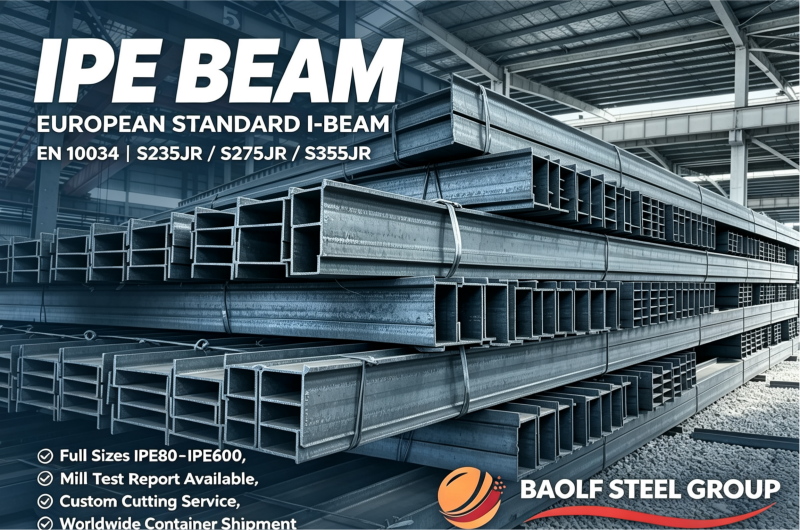
Universal Beam (UB) and Universal Column (UC) are widely used structural steel sections in modern construction, also known as H steel profiles alongside HEA, HEB and IPE beams. Although both feature H-shaped cross-sections, their dimensional proportions are designed to carry different types of loads. Universal Beam has a deeper web and relatively narrow flange, optimized for bending resistance under transverse loads. Universal Column comes with nearly equal depth and flange width, delivering balanced strength in multiple directions to resist axial compression.
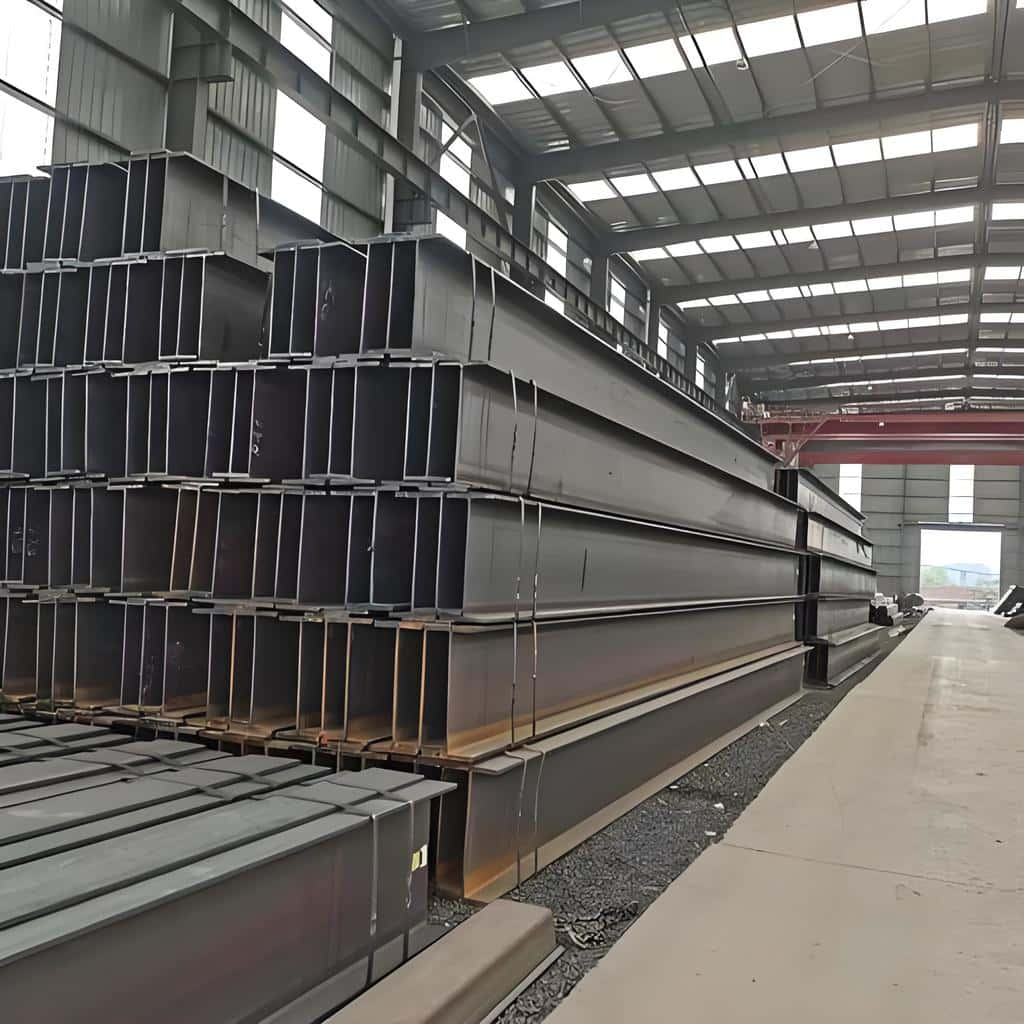
The design data separates their performance clearly. UB sections prioritize bending strength, suitable for spanning long distances to support floor and roof loads. UC profiles have symmetrical cross-section parameters, which help withstand vertical compression loads and lateral forces like wind or seismic impact. Engineers often select UB for horizontal spanning members and UC for vertical load-bearing supports when drafting steel structure drawings.
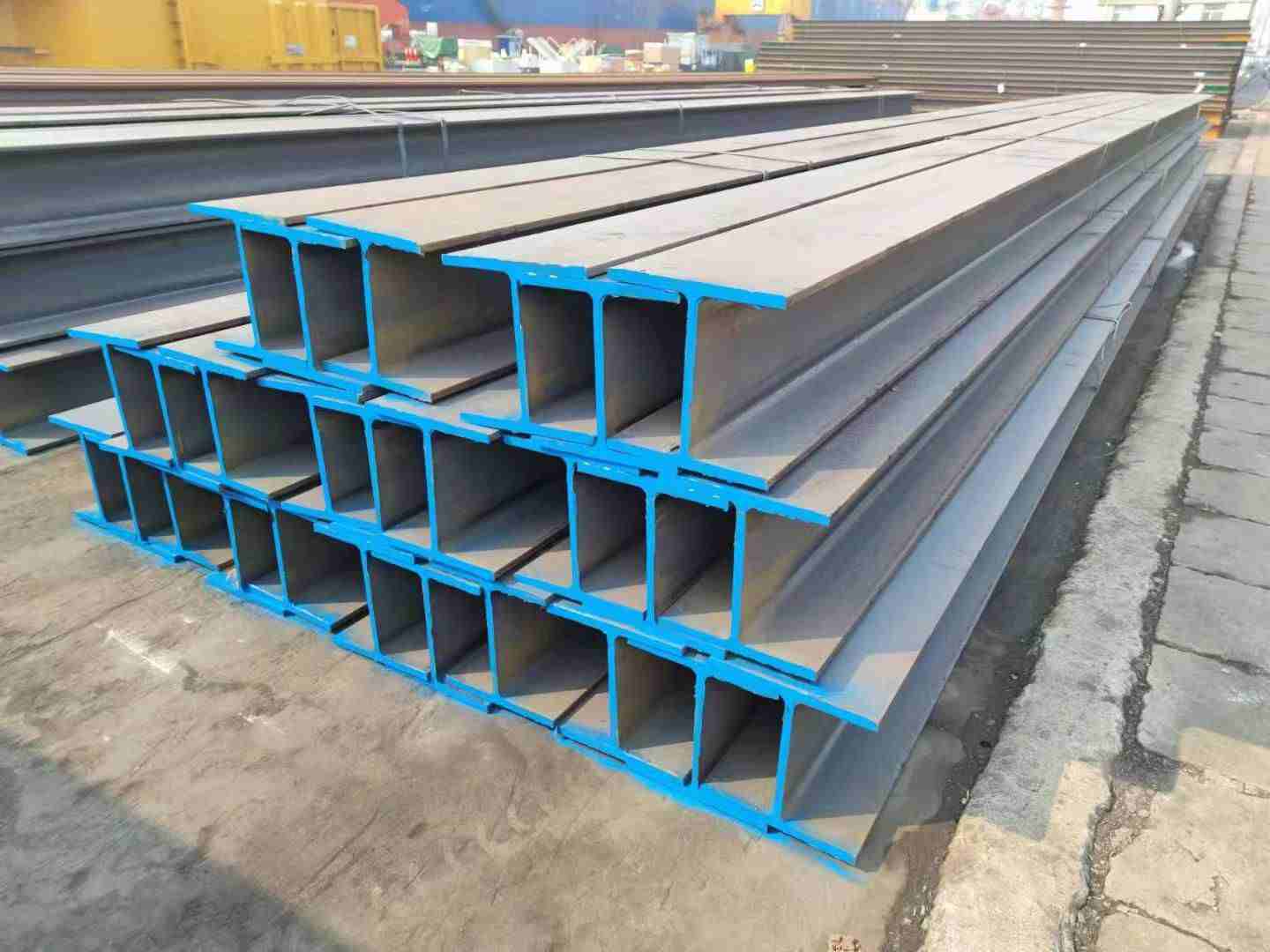
These two steel products serve distinct application fields. Universal Beam is commonly adopted for building floors, bridge girders and mezzanine supports. Universal Column acts as vertical support frames for warehouses, factory buildings and high-rise steel structures. Choosing the right UB or UC ensures structural safety and optimizes your overall steel project cost.