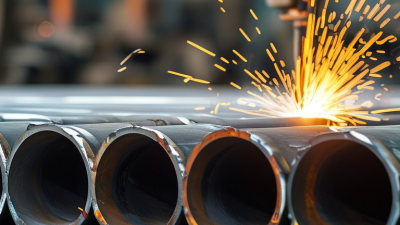
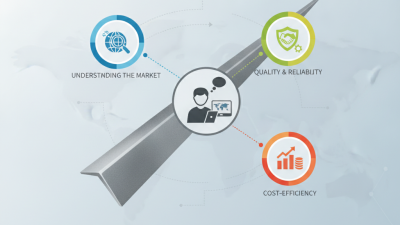
When it comes to sourcing Erw Tubes globally, it’s not just about comparing prices. There’s a lot more to consider—like steel chemistry, welding quality, testing procedures, logistics, and how reliable your supplier really is. In 2023, the World Steel Association reported a massive 1,888.2 million tonnes of crude steel produced worldwide. That’s a huge number, and it definitely gives you options. But, at the same time, it can lead to inconsistencies—different mills, regions, and even how they handle documentation.
Starting the sourcing process on the right foot means understanding the service conditions first. Make sure you know the outside diameter, wall thickness, grade, length, surface finish, and what the tube is used for before you ask for quotes. Keep in mind, standards like ASTM A53, ASTM A500, EN 10219, and API 5L aren’t the same—they have different requirements for mechanical properties, dimensions, testing, and acceptance criteria. A savvy buyer would take the time to review mill test certificates, weld seam inspection reports, hydrostatic and non-destructive testing results, and coating details. Looks at the tube, and it might seem perfect—but that doesn’t always mean it performs well.
The OECD Steel Outlook for 2024 points out that worldwide overcapacity and pressures on steel trade are still big issues. That’s why evaluating suppliers carefully becomes more important than ever. You should check their production capacity, whether they can trace heat numbers, if they have proper inspection equipment, export experience, and records of addressing issues when they come up. It’s also crucial to verify if the factory controls forming and welding in-house or if they’re relying on subcontractors—unclear outsourcing can be a red flag. Make sure to confirm details like Incoterms, packing methods, moisture protection, and port handling costs before sealing the deal. Sometimes, a super low quote might seem tempting, but it could end up costing you more in rework, delays, or rejected batches.
And let’s be honest, there’s no one-size-fits-all checklist here. Actually sourcing good quality Erw Tubes takes sampling, talking directly to factories, and making careful judgments. This guide is meant to help you compare suppliers more effectively—using real evidence, solid technical understanding, and a healthy dose of caution about risks.
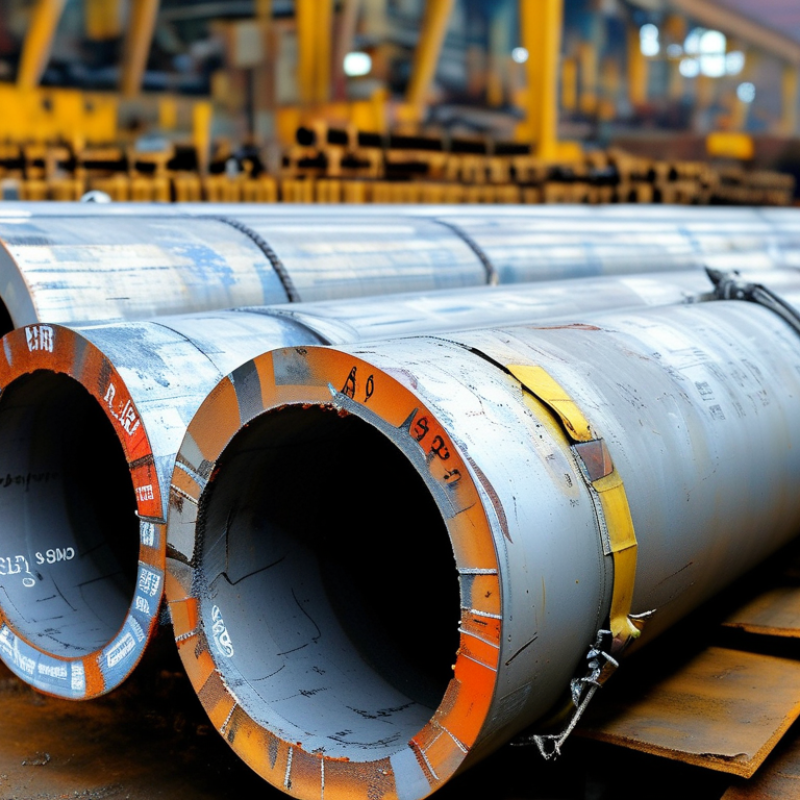
ERW tube, or electric resistance welded tube, begins as a flat steel strip rather than a seamless billet. During forming, rollers gradually bend the strip into a round, square, or rectangular profile. High-frequency electrical current heats the meeting edges. Pressure rollers then forge them into a continuous weld. The process is fast, repeatable, and suitable for large production volumes.
After welding, cutting tools divide the tube into specified lengths. Sizing rolls improve diameter, wall thickness, and straightness. Manufacturers may remove the external weld bead for smoother surfaces. Quality checks can include visual inspection, dimensional measurement, ultrasonic testing, and hydrostatic testing. The required inspection depends on the application and purchasing standard.
For global sourcing, I would examine the welding method, steel grade, tolerances, and traceability before comparing prices. A low-cost tube can become expensive when inconsistent walls cause installation delays. Ask for mill test certificates, inspection records, and sample measurements from several sections. Do not judge weld quality by appearance alone. A bright surface may still hide weak preparation or poor control. I have seen specifications written too generally, creating disputes later. It is better to state length tolerance, coating requirements, packaging, test standards, and acceptable defect limits clearly. Small omissions matter.
ERW (Electric Resistance Welded) tube is formed from steel strip, shaped into a round or hollow profile, and joined along the seam by electrical resistance heat and pressure.
This chart compares the minimum specified yield strength and tensile strength for commonly sourced structural and general-purpose ERW tube specifications. ASTM A53 Grade B is widely used for pressure and mechanical applications, ASTM A500 Grades B and C are structural tubing grades, and EN 10219 grades are cold-formed welded structural hollow sections. Confirm dimensions, wall thickness, corrosion requirements, inspection standards, and certification requirements before placing a global sourcing order.
Choosing an ERW tube for global sourcing starts with the correct standard, not the lowest quotation. Different markets may reference ASTM, ASME, EN, API, JIS, or ISO requirements. These systems can define different grades, dimensions, tolerances, and testing methods. Confirm the governing standard from the engineering drawing, purchase specification, or end-use application.
Specify the outside diameter, wall thickness, length, steel grade, and dimensional tolerance. Then review weld quality requirements, hydrostatic or nondestructive testing, surface condition, end finish, and corrosion protection. A tube for structural framing may need different controls from one used for pressure service. Ask for a material test certificate, heat number, inspection records, and traceability documents. Check the exact standard edition, because requirements can change. This step is often overlooked.
Tips: Create a technical data sheet before requesting offers. State whether dimensions follow metric or imperial practice. Confirm whether tolerances apply before or after coating. Ask how ovality and wall-thickness variation are measured. Samples can reveal surface marks that photographs hide. They also expose misunderstandings early. In my experience, suppliers sometimes confirm a standard without checking every clause. That is not always negligence; specifications can be interpreted differently. Request written clarification for ambiguous points, especially grade equivalence, testing frequency, and acceptance limits. Keep one approved reference sample and compare production records against it. Perfect communication is unlikely, but documented communication is reliable.
Selecting an Erw Steel Pipe begins with service conditions, not the lowest quotation. The World Steel Association reported global crude steel production of about 1.892 billion tonnes in 2023. That scale creates wide quality variation across mills, even when product names look identical.
For water, air, or light structural service, carbon steel grades such as ASTM A53 Grade B may be suitable. Pressure, sour environments, and low temperatures require deeper review. API 5L grades, including X42 and X52, specify chemistry, strength, and testing requirements for line pipe. ISO 3183 also defines demanding requirements for pipeline products. Check yield strength, tensile strength, impact testing, wall tolerance, and weld inspection. Do not accept “equivalent grade” without a written comparison. I have seen purchasing teams compare only grade labels. That is risky. A material certificate can still hide inconsistent sampling or incomplete heat information.
Tips: Match the grade to the medium, temperature, pressure, and joining method. Ask for mill test certificates, heat numbers, hydrostatic results, and third-party inspection records. Confirm whether the stated wall thickness is nominal or guaranteed minimum. Carbon content matters during welding. Coating selection matters near saltwater. This is not foolproof. Supplier audits and sample testing remain worthwhile, especially for large Erw Steel Pipe orders. The 2024 World Steel Association data also reminds buyers that production volume does not equal product reliability. Experience must challenge the spreadsheet.
Use the comparison below to match the required application, standard, minimum mechanical properties, corrosion environment, and inspection level before requesting quotations from international suppliers.
| Material / Grade | Common Standard | Typical Product Type | Minimum Yield Strength | Minimum Tensile Strength | Typical Applications | Key Selection Considerations | Recommended Sourcing Checks |
|---|---|---|---|---|---|---|---|
| Carbon Steel Grade B | ASTM A53/A53M | General-purpose welded pipe | 240 MPa | 415 MPa | Water, air, steam, low-pressure process service, and general structural or mechanical uses | Suitable for standard carbon-steel service where the purchaser requires ASTM A53 compliance. Threading, bending, and hydrostatic requirements should be specified separately. | Confirm nominal pipe size, schedule or wall thickness, end finish, hydrostatic test, chemical composition, and whether the order requires Type E electric-resistance welding. |
| Grade B | ASTM A500/A500M | Cold-formed welded structural tubing | 290 MPa | 400 MPa | Square, rectangular, and round structural hollow sections for frames, supports, columns, and equipment | Designed primarily for structural tubing rather than pressure piping. The standard covers round and shaped tubing with specified dimensional and mechanical requirements. | State round, square, or rectangular shape; outside dimensions; wall thickness; corner radius; straightness; finish; and whether Grade B is required in the purchase order. |
| Grade C | ASTM A500/A500M | Higher-strength structural tubing | 345 MPa | 425 MPa | Load-bearing structures, heavy frames, towers, supports, and applications requiring higher yield strength | Provides higher minimum yield strength than A500 Grade B. Design calculations must also consider section shape, wall thickness, buckling, weld details, and applicable building codes. | Verify the grade on the mill certificate, product dimensions, yield and tensile results, elongation, weld-zone quality, and dimensional tolerances. |
| S235JR | EN 10219-1 / EN 10025-2 | Cold-formed welded structural hollow section | 235 MPa for common thickness ranges | 360–510 MPa | General structural frames, machinery supports, agricultural equipment, and fabricated steelwork | Appropriate for standard structural duty. The “JR” impact designation corresponds to Charpy impact testing at 27 J at 20°C under the applicable standard requirements. | Confirm the exact product standard, delivery condition, wall thickness range, impact designation, welding procedure, and CE or other regulatory documentation where required. |
| S355J2H | EN 10219-1 | Higher-strength structural hollow section | 355 MPa for common thickness ranges | 470–630 MPa | Bridges, load-bearing structures, construction machinery, heavy frames, and demanding fabricated assemblies | Higher strength than S235 grades. The “J2H” designation identifies structural hollow section requirements with impact toughness at lower temperature and hollow-section suitability. | Check impact-test temperature, carbon equivalent, weldability requirements, thickness-dependent properties, dimensional tolerances, and traceability of the heat number. |
| Grade B, PSL 1 | API 5L / ISO 3183 | Line pipe; ERW or HFW where permitted by the order | 241 MPa | 414 MPa | Onshore transportation of oil, gas, water, and other fluids when the specified line-pipe standard is applicable | Line-pipe selection depends on product specification level, service fluid, design pressure, temperature, sour-service conditions, and pipe manufacturing route. | Specify PSL, pipe end, outside diameter, wall thickness, hydrostatic test, NDE of the weld, heat treatment or weld normalization requirements, and supplementary testing. |
| X42, PSL 2 | API 5L / ISO 3183 | Higher-strength line pipe; ERW or HFW where permitted | 290 MPa | 414 MPa | Low- to medium-pressure transmission and gathering lines, subject to engineering design and applicable regulations | PSL 2 imposes additional chemical, mechanical, toughness, and testing requirements compared with PSL 1. The grade alone does not define suitability for every service. | Request heat analysis, product analysis where required, Charpy impact results, hardness limits, weld inspection records, hydrostatic test results, and full material traceability. |
| X52, PSL 2 | API 5L / ISO 3183 | Higher-strength line pipe; ERW or HFW where permitted | 359 MPa | 455 MPa | Transmission and process-pipeline projects requiring higher strength-to-weight performance | Higher grade can reduce wall thickness in some designs, but fracture toughness, weldability, corrosion allowance, pressure design, and installation conditions remain critical. | Confirm design code, PSL, sour-service or offshore requirements, toughness testing, weld seam inspection, dimensional tolerances, coating system, and third-party inspection scope. |
| STK400 | JIS G 3444 | Carbon-steel structural tube | 235 MPa | 400 MPa | General construction, posts, scaffolding-related structures, frames, and civil engineering applications | Common structural grade in the Japanese standard system. Confirm whether the project specification accepts JIS material or requires an equivalent European or ASTM designation. | Check outside diameter, wall thickness, length tolerance, end condition, flattening or bending test, chemical limits, and applicable inspection documents. |
| STK500 | JIS G 3444 | Higher-strength carbon-steel structural tube | 355 MPa | 500 MPa | Structural members and fabricated products requiring higher strength than STK400 | Offers higher specified strength, but direct substitution for another standard should be approved by the design authority because chemistry, tolerances, testing, and design rules may differ. | Verify the JIS edition, grade marking, dimensions, mechanical test results, weld quality, surface condition, mill certificate, and acceptance criteria for nonconforming material. |
Choosing an Erw Pipe for global sourcing requires more than matching a catalog dimension. Size affects fit, flow, bending, storage, and shipping efficiency. Confirm the outside diameter, inside diameter, and cut length before requesting quotations. A tube marked 50 mm may not suit a connector designed around the internal opening. Ask suppliers to state measurement locations and equipment clearly.
Wall thickness controls strength, weight, weld behavior, and material cost. A thicker wall may resist crushing during transport, but it can increase forming and handling expenses. A thinner wall saves weight, yet it may deform under clamping or bending. Check the intended load, pressure, forming method, and corrosion allowance. Do not select thickness from an old drawing without reviewing current service conditions.
Tolerance deserves equal attention. Diameter, wall thickness, straightness, length, and ovality can each affect assembly. Small errors add up. Request the applicable standard, inspection plan, material certificate, and sample measurements. A caliper can verify diameter, while a micrometer or ultrasonic gauge may reveal wall variation. One practical mistake is trusting nominal dimensions too quickly. I would compare several production samples, especially near the welded seam, before approving a large order. Clear acceptance limits reduce disputes across borders, although they cannot replace sound engineering judgment.
Choosing ERW tube for global sourcing requires more than comparing price and outside diameter. Surface quality often reveals handling and forming discipline. Inspect tubes under bright, even lighting. Look for scratches, laps, dents, rust patches, and uneven coating. A clean surface supports later painting or galvanizing. However, appearance alone can mislead. A smooth tube may still contain an unstable weld.
The weld area deserves careful evaluation. Check bead height, alignment, burn-through, and visible cracking. Ask for process records and heat numbers. Reliable suppliers should provide traceability from coil to finished tube. Testing may include dimensional checks, tensile testing, flattening tests, hydrostatic testing, or non-destructive inspection. The exact combination should match the purchase specification and end use. Test reports need sample identification, equipment details, dates, and acceptance criteria. Generic certificates are weak evidence.
Tips: Request recent inspection samples, not only photographs. Compare wall thickness at several points around the tube. Confirm whether weld inspection is continuous or sample-based. A third-party inspection can add confidence, especially for unfamiliar factories. I have found that packaging also matters; crushed ends can create problems before installation. One limitation remains: testing cannot replace clear specifications. If the buyer leaves tolerances vague, even accurate results may support the wrong product. Review the reports critically. Mistakes happen.
Choosing ERW tube for global sourcing requires more than comparing price per ton. Buyers should verify the supplier’s forming process, welding control, heat treatment, and dimensional records. Ask for mill certificates, chemical analysis, tensile results, weld inspection data, and traceability from coil to bundle. The requested standard must match the application, such as ASTM, EN, or API requirements. Do not confuse ERW tube with Seamless Steel Tube; their manufacturing processes and cost structures differ. A low price can look convincing, but missing inspection evidence creates expensive uncertainty.
Logistics deserve equal attention. UNCTAD’s Review of Maritime Transport reports that shipping carries over 80% of global merchandise trade by volume. Therefore, buyers should check port options, container or breakbulk suitability, export packing, moisture protection, and document accuracy. The World Bank’s Logistics Performance Index 2023 collected 4,090 assessments across 139 countries. This supports checking a supplier’s shipment tracking, customs experience, and delivery history, not only its factory photos. Lead-time promises still need testing. Weather, port congestion, and steel availability can change the plan.
Tips: Request a pre-shipment inspection with random bundle selection. Confirm pipe length, wall thickness, coating, marking, and packing photos. Compare at least three recent delivery records. Also ask for a corrective-action report after any failed test. Some suppliers may provide excellent samples but weaker batch control. That gap deserves honest attention.
: ERW means electric resistance welded tube. It starts as a flat steel strip. Rollers form the strip into a round, square, or rectangular shape. Electrical current heats the meeting edges. Pressure rollers then create a continuous weld.
Forming rolls gradually shape the steel strip. High-frequency current heats both edges. Pressure joins the heated edges. Cutting tools divide the tube into set lengths. Sizing rolls improve diameter, wall thickness, and straightness.
Common checks include visual inspection and dimensional measurement. Ultrasonic testing can examine the weld area. Hydrostatic testing may check pressure resistance. Inspection needs depend on the application and purchasing requirements.
Match the grade to the medium, temperature, pressure, and joining method. Water, air, and light structures may need different grades than pressure service. Low temperatures and corrosive environments require deeper review. A grade label alone is not enough.
Request material certificates, heat numbers, inspection records, and test results. Confirm whether wall thickness is nominal or guaranteed minimum. Ask for sample measurements from several tube sections. Missing heat information can create later doubts.
Outside diameter affects fitting and assembly. Inside diameter affects flow and connector compatibility. Wall thickness influences strength, weight, weld behavior, and cost. A thin wall may deform during clamping. A thick wall may increase handling expenses.
Confirm tolerances for diameter, wall thickness, straightness, length, and ovality. Small differences can accumulate during installation. State measurement locations and equipment clearly. A caliper checks diameter. A micrometer or ultrasonic gauge may reveal wall variation.
No. A bright surface may still hide weak preparation or poor process control. The external weld bead may be removed for a smoother finish. Appearance helps, but testing and records provide stronger evidence.
State dimensions, length tolerance, coating, packaging, test methods, and defect limits. Define acceptance criteria before production. Vague wording can cause disputes. Even a detailed specification is not foolproof. Sample testing and supplier audits still matter.
Choosing the right Erw Tube for global sourcing requires a clear understanding of its manufacturing process, technical requirements, and supply conditions. ERW tube is produced by forming steel strip into a round or shaped section and joining the edges through electric resistance welding. Buyers should first confirm the applicable standards, dimensions, wall thickness, tolerances, and required material grade for the intended application. Factors such as strength, corrosion resistance, weldability, and operating conditions are essential when comparing options.
Quality evaluation should include checks on surface condition, weld consistency, dimensional accuracy, and relevant mechanical or non-destructive testing. Global buyers should also assess supplier experience, production capacity, quality documentation, inspection procedures, packaging, lead times, and export logistics. Clear communication about specifications, certificates, labeling, and delivery terms can reduce sourcing risks. By reviewing both product performance and supplier reliability, buyers can select an Erw Tube that meets project needs while supporting stable, efficient international procurement.