You know, when it comes to construction projects, picking the right materials really matters. I mean, experts like John Smith—he’s a senior engineer over at Steel Innovations—often say, “The right Metal Structure can make or break a project's success.” It’s pretty true. When you're looking into metal structures, there are quite a few things to think about. Getting a grip on the pros and cons of different materials is super important.
Metal structures are known for being tough and durable—no surprise there. But not all metals are created equal. Depending on what your project needs, some might be better than others. And let’s be honest, budget’s always a factor too. You want something affordable, but at the same time, you don’t wanna cut corners on quality. Taking all these things into account is really key for making your project a success.
Also, don’t forget about the environment. Things like extreme weather or exposure to certain elements can affect how your metal structure holds up. Sometimes, you might need special coatings or treatments to give it extra protection. It’s worth taking the time to check out these details—that way, you end up with a structure that lasts longer and performs well. At the end of the day, having clear criteria helps you prioritize and pick the perfect metal structure for your needs.
Top 5 Tips for Choosing Metal Structures for Your Projects
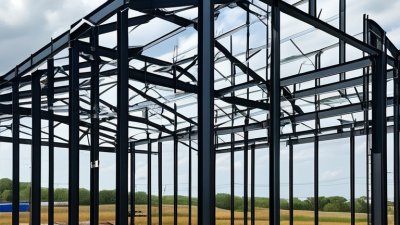
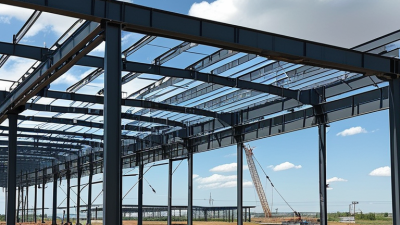
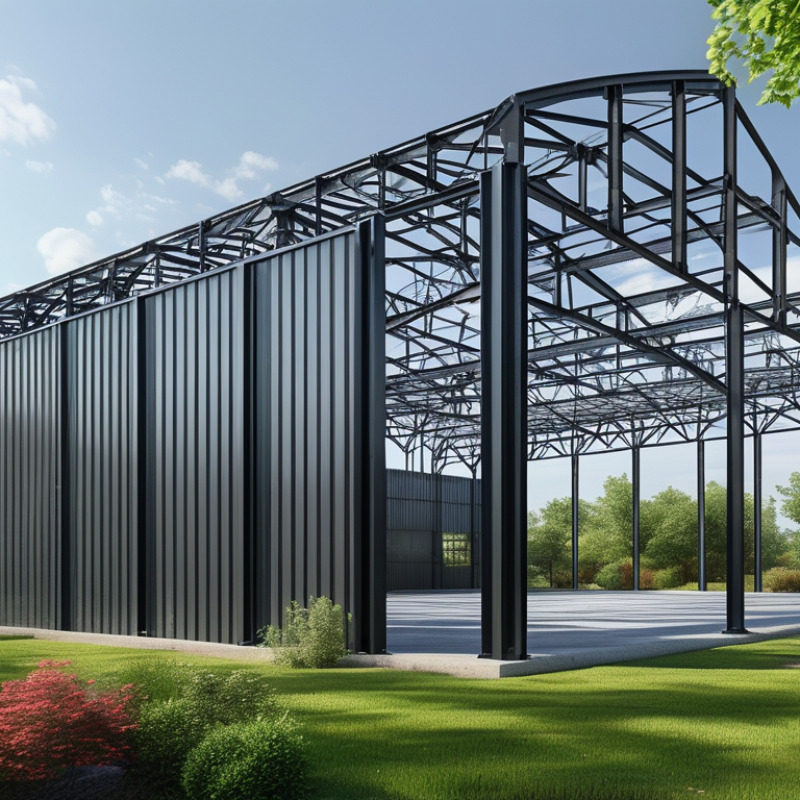
Choosing the right metal structures for your projects can be challenging. The variety of options available may seem overwhelming. When considering Prefabricated Steel Structures, it's essential to evaluate their weight and load-bearing capacity. Structures that are too heavy may require more support, increasing costs. On the other hand, selecting lighter materials may compromise stability.
Durability is another key factor. Pay attention to the manufacturer's specifications. Steel structures should resist rust and corrosion, especially in harsh environments. Additionally, consider their energy efficiency. Prefabricated designs can offer better insulation, reducing long-term energy costs. Reflect on your project’s specific environment.
Also, think about customization. Prefabricated steel allows for unique designs that fit your needs. However, be mindful that extensive customization can lead to higher costs and longer production times. Balancing aesthetics and functionality is crucial. The right metal structure should not only serve its purpose but also enhance the overall look of your project.
Understanding Different Types of Metal Structures and Their Applications
Metal structures come in various forms, each suited for specific applications. Understanding these types is essential for making informed choices. Steel frames are common in commercial buildings. They provide strength and durability. On the other hand, aluminum structures are lightweight and highly resistant to corrosion. This makes them ideal for outdoor settings.
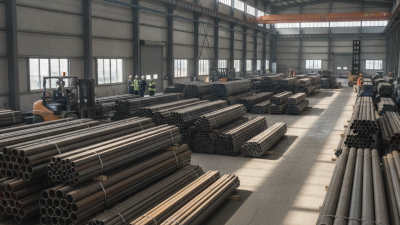
In addition, metal warehouses often use steel because of its load-bearing capabilities. They can endure heavy weather conditions. Another option is metal trusses, which are efficient for bridges and large roofs. They distribute weight evenly, enhancing stability. Each type has unique advantages, making it vital to align them with project needs.
When planning a project, consider the environmental impact of your choice. Think about sustainability and energy efficiency. These factors can influence long-term costs. Remember to weigh the options carefully. Every decision shapes the project's final outcome.
Evaluating Structural Strength: ASTM Standards and Load-Bearing Capacity
When selecting metal structures for projects, understanding structural strength is crucial. ASTM standards provide guidelines that help assess load-bearing capacity. These standards ensure that materials meet specific performance criteria. They help in evaluating the integrity of metal structures.
It's essential to consider the weight requirements of your project. Heavy loads demand stronger materials. If you're unsure, consult experts. They can help with load calculations. Additionally, examine prior project outcomes. Successful projects often feature well-documented standards and profiles.
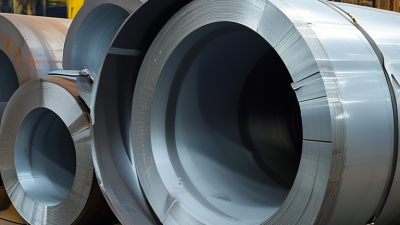
Evaluating corrosion resistance is another critical aspect. Metals can weaken over time due to environmental factors. Investigate protective coatings and their effectiveness. Choosing the right finish can enhance longevity. Seek transparency from suppliers regarding their materials. Reliable sources will provide necessary details. This leads to informed decisions and durable outcomes.
Top 5 Tips for Choosing Metal Structures for Your Projects
This bar chart illustrates the load-bearing capacities of different metal structures that can be considered for your projects. Understanding these properties is crucial in ensuring the structural integrity and safety of your designs.
Corrosion Resistance: Selecting Alloys for Longevity and Durability
When selecting metal structures for your projects, consider corrosion resistance carefully. Different alloys exhibit variable resistance to corrosion. For instance, stainless steel contains chromium, giving it superior rust protection. According to a report by the Corrosion Engineering Association, stainless steel can last over 50 years, depending on environmental conditions.
One key aspect of choosing the right material is understanding local conditions. Coastal areas with saltwater are more corrosive. In these regions, Purlin structures should use more resistant alloys, such as 316 stainless steel. It’s crucial to analyze specific environmental factors that may affect your structures over time.
Remember to evaluate maintenance needs. Alloys that require less upkeep can save costs in the long run. An alloy may seem durable but can fail without regular care, leading to expensive repairs. Consulting with materials specialists can provide insights into the best alloy choices for your Purlin structure, ensuring longevity and reducing overall project expenses. Consider sustainability too; using recycled metals can enhance both durability and environmental responsibility.
Cost Analysis: Balancing Initial Investment Against Long-Term Savings
When considering metal structures, a cost analysis is crucial. Initial investment often overshadows long-term benefits. According to industry data, metal buildings can reduce total life-cycle costs by up to 20%. This factor is essential for project owners focusing on durability and functionality.
Longevity is a significant advantage of metal structures. Many steel buildings last 40 years or more with minimal maintenance. In contrast, traditional materials might need frequent repairs. A study showed that maintenance costs for metal options are typically 30% lower than for wood or concrete. This statistic reinforces the idea that spending more upfront can lead to substantial savings over time.
Selecting the right metal structure can be challenging. Variability in costs and quality across suppliers complicates decision-making. Project managers must carefully evaluate each option. Research indicates that poorly chosen materials may lead to over-budget projects. Finding a balance between initial costs and long-term savings requires thoughtful consideration.
Sustainability Considerations: Recyclability and Eco-Friendly Materials
When considering Steel Structures for your project, sustainability plays a crucial role. Look for materials that are recyclable. Steel is one of the most recycled materials globally. Over 70% of steel is recycled in some form. This high recyclability reduces waste significantly. It also lowers the demand for new raw materials, which is beneficial for the environment.
Choosing steel that is sourced from eco-friendly processes is equally important. The production of Steel Structures can have a significant carbon footprint. By opting for manufacturers that use renewable energy, you contribute to lower emissions. This choice not only supports environmental sustainability but also encourages responsible practices within the industry. However, it’s essential to evaluate the entire lifecycle of the steel, from production to disposal.
Not all steel is created equal. Some options may contain harmful additives that can impact the environment adversely. It’s necessary to dig deeper into the sourcing of materials. Ask manufacturers about their practices. Engage in discussions about those details. Transparency is key in the selection process. As you navigate your choices, remember that a deeper understanding of sustainability leads to more informed decisions.
Design Flexibility: Adaptability of Metal Structures in Various Projects
Design flexibility is a key advantage of metal structures. Their adaptability allows them to fit diverse project requirements. According to a 2021 report by the Metal Building Manufacturers Association, over 80% of architects prefer metal due to its versatility. Metal structures can be easily modified or expanded, accommodating changing needs without significant costs.
The inherent properties of metal contribute to its dynamism. Lightweight yet strong, metal structures can adapt to various designs, including complex shapes. For instance, custom steel beams can support unique architectural features, while prefabricated elements speed up the construction process. This adaptability is often crucial in urban settings where space is limited. A study from the American Institute of Steel Construction indicates that buildings using metal can achieve up to 30% faster completion times.
Despite these advantages, challenges remain. Designers must ensure that the chosen metal meets specific project standards. Miscalculating load requirements can lead to increased costs and safety concerns. Projects sometimes suffer from a lack of understanding of metal properties. This highlights the need for careful planning and consultation with experts to harness metal's full potential effectively.
Choosing the Right Fabricator: Importance of Experience and Certifications
Choosing the right fabricator for your metal structures is crucial. A skilled fabricator can impact your project's success significantly. Experience plays a vital role in ensuring the structural integrity of Steel Beam Structures. A report by the American Institute of Steel Construction (AISC) suggests that projects with experienced fabricators see a 30% reduction in delays and structural failures.
Certifications are equally important when selecting a fabricator. These credentials ensure that the fabricator adheres to industry standards. According to industry research, certified fabricators are 50% less likely to experience compliance issues. Without proper certifications, you risk potential safety hazards and costly rework.
Reflecting on your choice is essential. Over-reliance on price can lead to overlooking critical qualifications. A cheaper option may result in subpar materials and craftsmanship. Balancing cost with skill and accreditation is necessary to avoid future setbacks in your Steel Beam Structure project. Always ask for references and review past work to gauge their capability accurately.
FAQS
: Steel frames are popular in commercial buildings. Aluminum structures are lightweight and corrosion-resistant.
Steel is preferred due to its ability to bear heavy loads and withstand severe weather.
Metal trusses are ideal for bridges and large roofs, providing stability by distributing weight evenly.
Consider the environmental impact and long-term costs when selecting materials for your project.
Yes, steel is highly recyclable, with over 70% being reused in some manner.
Steel production can have a significant carbon footprint, depending on energy sources used.
It’s important to inquire about manufacturers' practices and the presence of harmful additives in steel.
Opt for steel sourced from manufacturers using renewable energy to lower emissions.
Transparency allows for informed decisions and supports responsible industry practices.
Every choice can significantly shape the project’s outcome. Think carefully about what you prioritize.
Conclusion
When selecting metal structures for projects, understanding the various types and their applications is crucial. Evaluating structural strength through ASTM standards ensures that the chosen metal structure can withstand the necessary load-bearing capacity. Corrosion resistance, achieved by selecting appropriate alloys, enhances the longevity and durability of the structures, making them a wise investment over time.
Additionally, a thorough cost analysis is essential, weighing the initial investment against long-term savings. Sustainability considerations, such as the recyclability of materials, contribute to eco-friendliness, while design flexibility allows for adaptability in various project specifications. Finally, choosing the right fabricator, who possesses relevant experience and certifications, is vital to ensure the success of the project involving metal structures.