Leave Your Message
Steel pipes are among the most critical components in shipbuilding and marine engineering. From ballast water systems and fuel oil lines to fire suppression networks and hydraulic circuits, virtually every functional system aboard a vessel depends on reliable, high-performance steel piping. As global seaborne trade continues to expand — with the International Maritime Organization (IMO) projecting sustained growth in cargo volumes through 2035 — the demand for precision-engineered marine steel pipes is accelerating at an unprecedented pace.
The global marine steel market was valued at over USD 18 billion in 2024, with steel pipes and tubular products accounting for a significant share of total material procurement in new vessel construction. Shipyards in South Korea, China, Japan, and emerging hubs in Southeast Asia collectively consume millions of metric tons of steel pipes annually, spanning carbon steel, alloy steel, stainless steel, and galvanized variants.
Key Insight: A single large container ship or LNG carrier can require over 50 kilometres of piping systems. Steel pipe quality directly determines vessel safety, operational lifespan, and regulatory compliance under SOLAS, ABS, DNV GL, and Lloyd's Register standards.
The commercial steel pipe market for marine applications is shaped by several macro-level forces. Firstly, the global push toward fleet renewal — replacing aging vessels with fuel-efficient, low-emission ships — is driving a new cycle of shipbuilding orders. According to Clarksons Research, newbuilding orders surged significantly in 2023–2024, with LNG carriers, bulk carriers, and container ships topping the order books.
Secondly, the offshore energy sector — encompassing oil & gas platforms, floating production storage and offloading (FPSO) units, and offshore wind foundations — represents a parallel and rapidly expanding market for marine-grade steel pipes. The global offshore wind capacity is projected to reach 500 GW by 2040, each installation requiring extensive subsea and above-deck steel pipe infrastructure.
Thirdly, trade policy and raw material supply chains have reshaped sourcing strategies. Chinese steel manufacturers, particularly those in Tianjin — located at the heart of China's steel production belt — have become indispensable suppliers to international shipyards and EPC contractors, offering competitive pricing, large-volume production capacity, and increasingly sophisticated quality certifications.
Ballast water management is a fundamental requirement for vessel stability. ERW (Electric Resistance Welded) carbon steel pipes and seamless steel pipes are used extensively in ballast tanks, bilge lines, and associated pumping systems. These pipes must withstand continuous exposure to seawater, requiring robust corrosion-resistant coatings or hot-dip galvanization. ASTM A53 and API 5L Grade B specifications are widely adopted for these applications.
Engine rooms aboard large vessels contain intricate networks of fuel oil supply lines, lubricating oil circuits, and hydraulic control pipes. Seamless carbon steel pipes — typically conforming to ASTM A106 Grade B or DIN 2448 — are preferred here due to their superior pressure resistance and absence of longitudinal welds, which could be potential failure points under high-pressure cyclic loading.
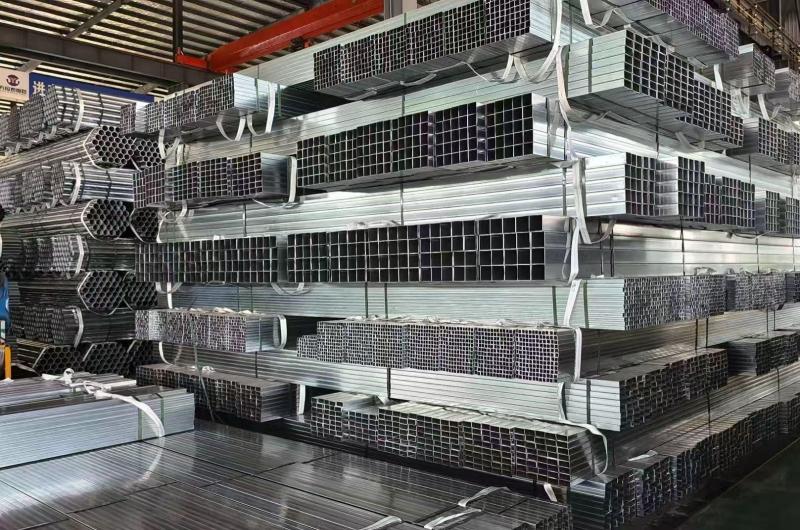
International maritime safety regulations mandate comprehensive fire suppression infrastructure aboard all commercial vessels. Galvanized steel pipes (GI pipes) conforming to ASTM A53 or BS 1387 are the industry standard for fire main lines, CO₂ flooding systems, and sprinkler networks. The zinc coating provides essential corrosion protection while maintaining the structural integrity required for high-pressure firefighting systems.
Technical Note: Marine fire suppression pipes must meet strict pressure testing requirements — typically 1.5× the maximum working pressure — and comply with classification society rules from ABS, DNV GL, BV, or Lloyd's Register. Baolf Steel's GI pipes are manufactured to meet these exacting standards.
Fixed offshore platforms and jacket structures rely on large-diameter steel pipe piles and tubular members as primary load-bearing components. These structural tubulars must endure extreme environmental loading — wave forces, wind loads, seismic activity, and corrosive seawater immersion — over design lifespans of 25–30 years. High-strength steel pipes conforming to API 2B or EN 10210 are specified for these demanding applications.
The offshore oil & gas industry deploys thousands of kilometres of subsea pipelines for hydrocarbon transport. Line pipes conforming to API 5L X52, X65, or X70 specifications are the backbone of these systems. While specialized pipe mills produce large-diameter subsea line pipe, smaller-diameter carbon steel pipes for in-field flowlines, umbilicals, and risers are frequently sourced from manufacturers like Baolf Steel's Tianjin Yishuiyuan Steel Pipe facility.
Beyond piping systems, steel hollow sections — including square pipes, rectangular pipes, and round pipes — serve as structural framing elements in ship superstructures, accommodation blocks, crane pedestals, and machinery foundations. The combination of high strength-to-weight ratio and excellent weldability makes hollow structural sections (HSS) the preferred choice for naval architects optimizing vessel weight budgets.
The offshore wind energy sector has emerged as one of the fastest-growing consumers of large-diameter steel pipes. Monopile foundations — cylindrical steel tubes driven into the seabed — can measure 8–12 metres in diameter and weigh over 1,000 tonnes each. While monopile fabrication requires specialized heavy-plate rolling, the associated secondary structures, J-tubes, cable conduits, and inter-array cable protection systems all rely on standard carbon steel pipes from established manufacturers.
The shift to LNG, methanol, ammonia, and hydrogen propulsion systems is creating new requirements for cryogenic and high-alloy steel pipes capable of handling ultra-low temperatures and corrosive fuel chemistries. This trend is opening premium market segments for specialized pipe manufacturers.
Leading steel pipe manufacturers are integrating AI-driven quality inspection, automated ultrasonic testing (AUT), and digital mill certificates (DMC) into production workflows. Real-time production tracking and blockchain-based supply chain documentation are becoming competitive differentiators in marine procurement.
With global offshore wind capacity targets exceeding 500 GW by 2040, the demand for marine-grade structural steel pipes is set to grow exponentially. Foundation structures, transition pieces, and balance-of-plant piping represent a multi-billion-dollar opportunity for established steel pipe suppliers.
Classification societies are continuously tightening corrosion protection requirements. Advanced coating systems — including fusion-bonded epoxy (FBE), three-layer polyethylene (3LPE), and thermal spray zinc (TSZ) — are increasingly specified alongside traditional hot-dip galvanization for marine pipe applications.
Post-pandemic supply chain disruptions have prompted shipyards and EPC contractors to diversify their steel pipe sourcing. Manufacturers with large inventory buffers, flexible production scheduling, and proximity to major ports — like Baolf Steel's Tianjin facility — are gaining strategic advantage.
The rapid growth of electric ferries, hybrid tugboats, and autonomous surface vessels is creating demand for lightweight, high-strength steel pipe systems optimized for compact machinery spaces and novel power distribution architectures.


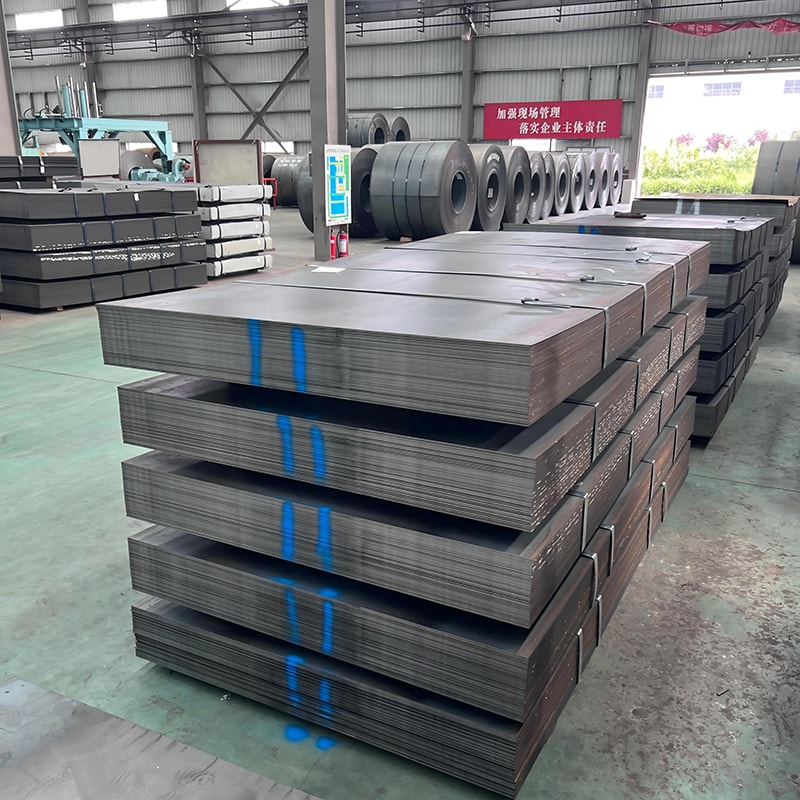
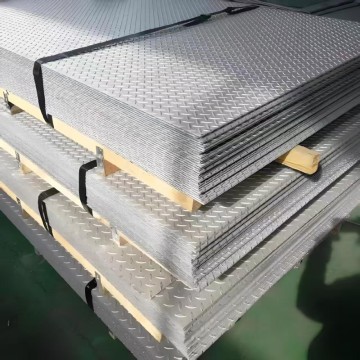
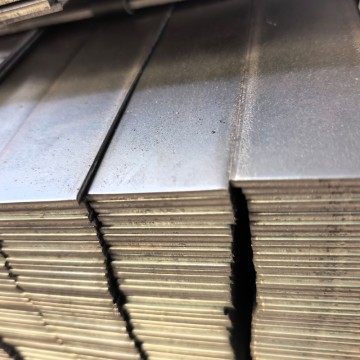
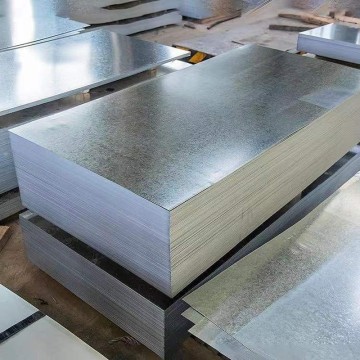
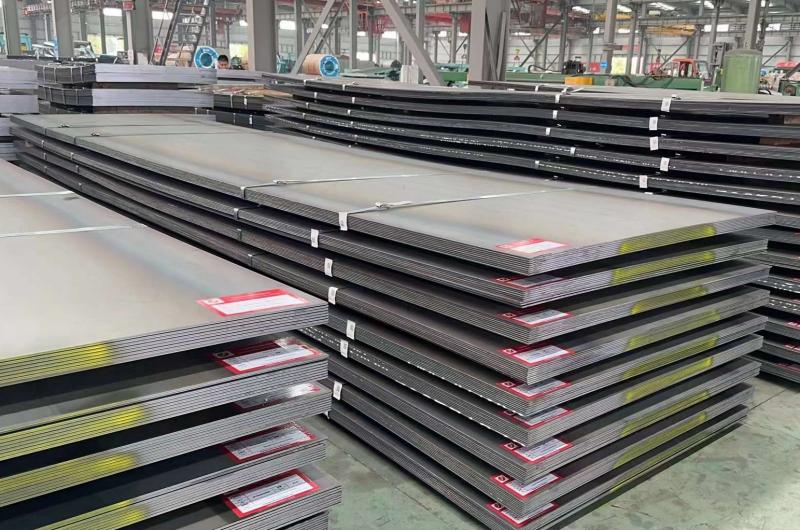
Hot-rolled and cold-rolled steel plates widely used in shipbuilding hull plating, deck structures, and bulkheads. Compliant with GB, EN, ASTM standards. Excellent weldability and stable mechanical properties.
LEARN MORE
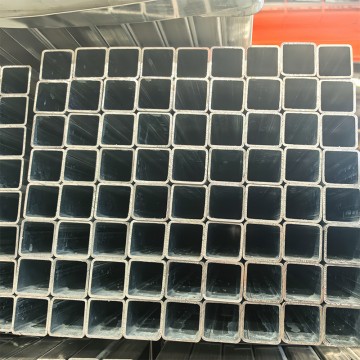
High-strength square hollow sections for ship superstructure framing, offshore platform secondary structures, and marine support frames. Available in black and galvanized finishes.
LEARN MORE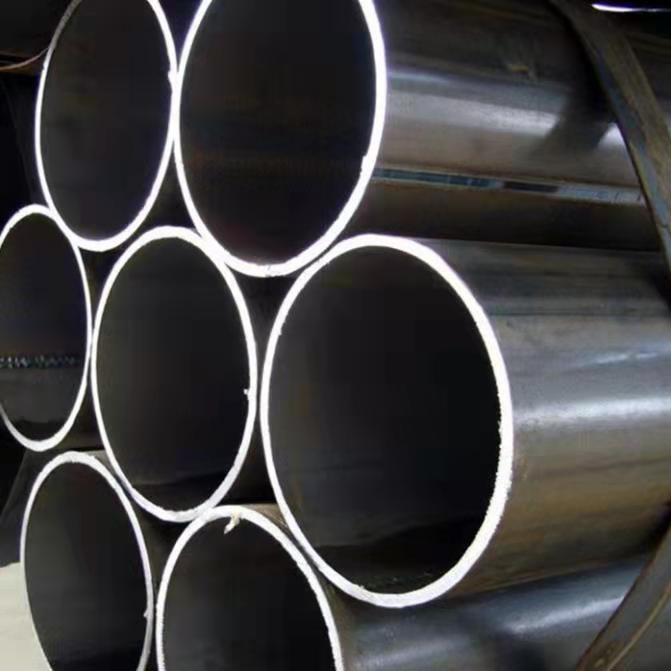
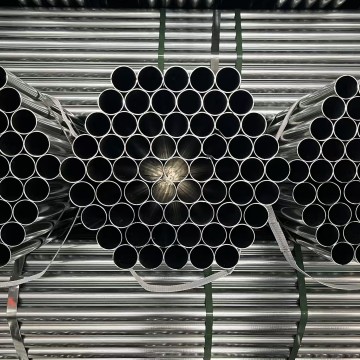
Carbon steel round pipes for ballast water, fuel oil, fire main, and hydraulic systems aboard vessels. Compliant with ASTM A53, A106, and international marine classification standards.
LEARN MORE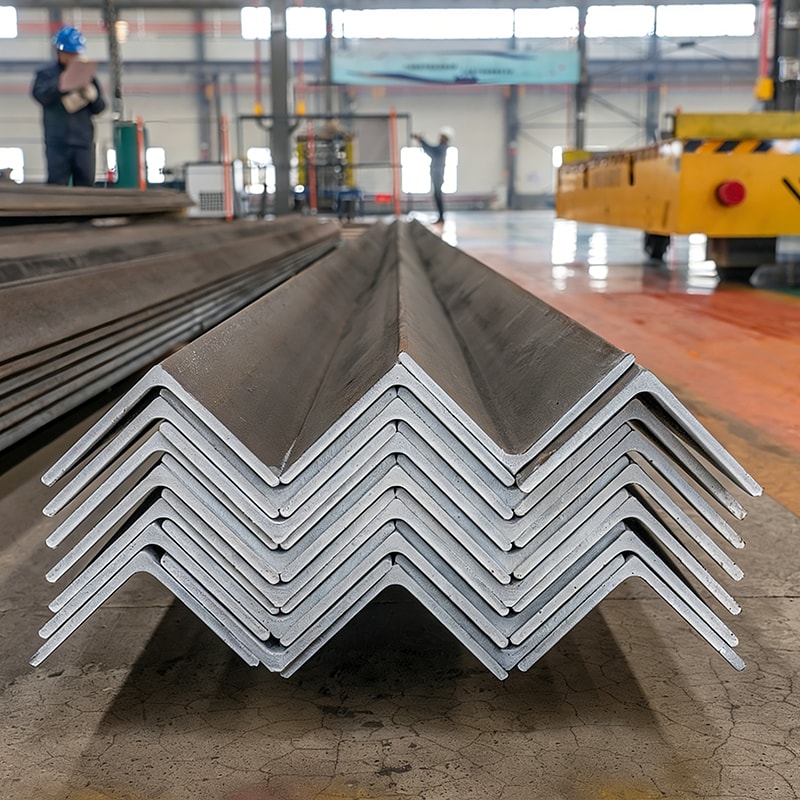
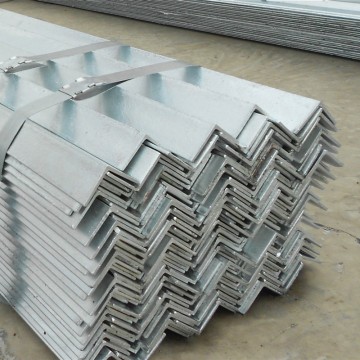
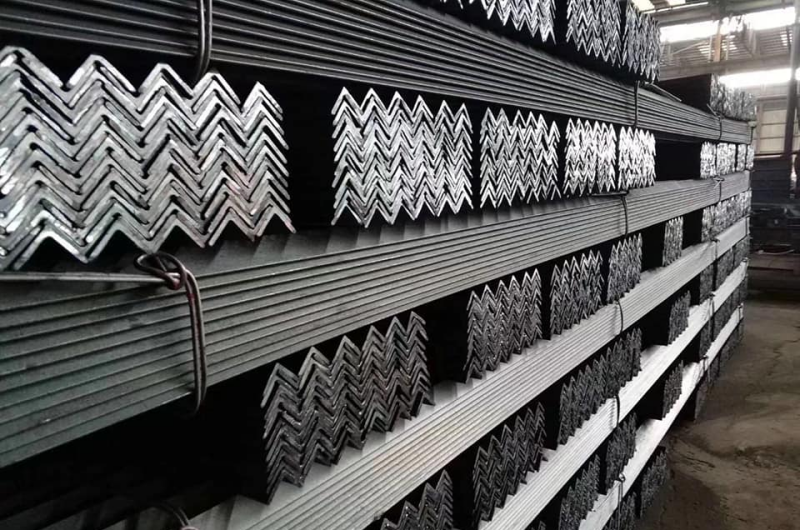
Hot-rolled L-shaped steel angles used as longitudinal and transverse stiffeners in ship hulls, offshore jacket frames, and marine structural assemblies. Equal and unequal angle specifications available.
LEARN MORE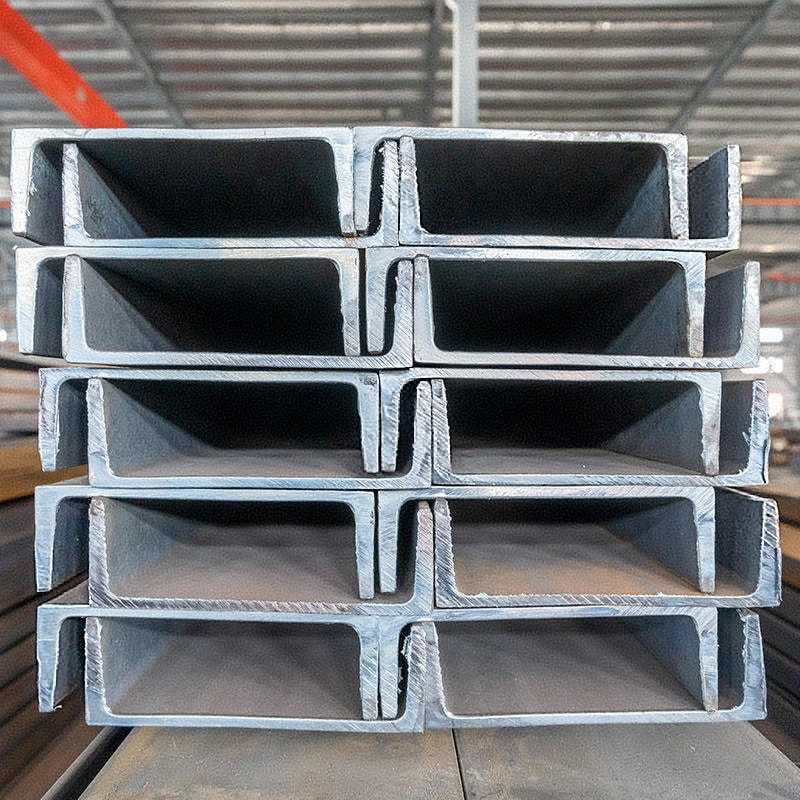
U-channel and C-channel steel profiles for marine equipment mounting, cable trays, and structural bracing aboard vessels and offshore platforms. Full specifications with galvanized options.
LEARN MORE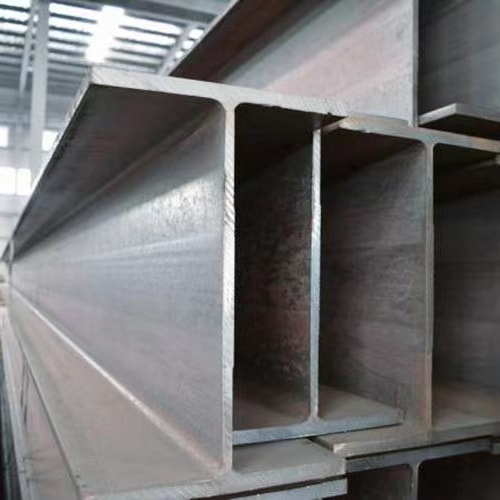
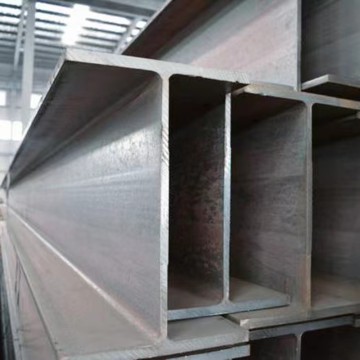
Hot-rolled H-beams for offshore platform topsides, shipyard construction gantries, and marine workshop frameworks. Superior rigidity, excellent weldability, customizable lengths.
LEARN MORE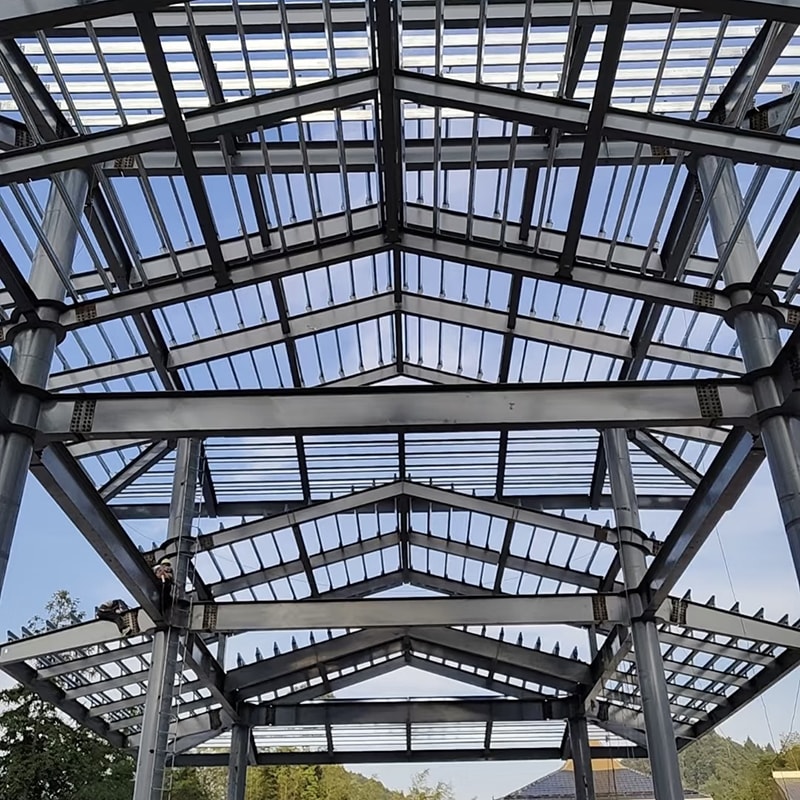
Prefabricated steel structures for shipyard workshops, dry-dock facilities, port warehouses, and marine industrial buildings. High strength, seismic resistance, rapid construction, eco-friendly.
LEARN MORE
Galvanized steel and carbon steel solar mounting brackets for port facilities, offshore platform energy systems, and marine renewable energy installations. Corrosion-resistant, customizable.
LEARN MORE
Free Quality Checking Report will be given after inquiry or before order

Each week update produce status by email. Free Quality Checking report within 2 days after finishing production.

Each truck photo with loading details will be given when sending cargo to port. Cargo store photo in sea port yard will be given.

Photo for cargo loading inner the ship will be given.

Each week update shipline status and location and ETA. Reminding for before shipline arrive 10 days.
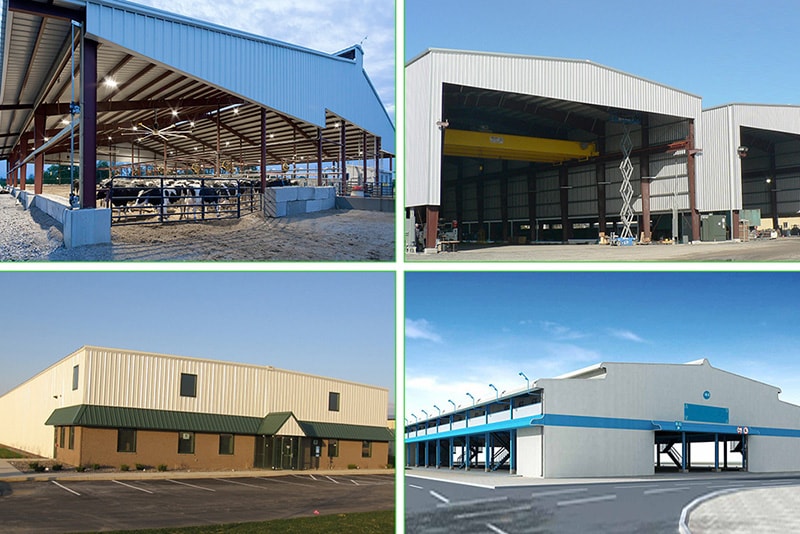
Supply of structural steel pipes, H-beams and hollow sections for large-scale marine and port infrastructure development in Bangladesh.
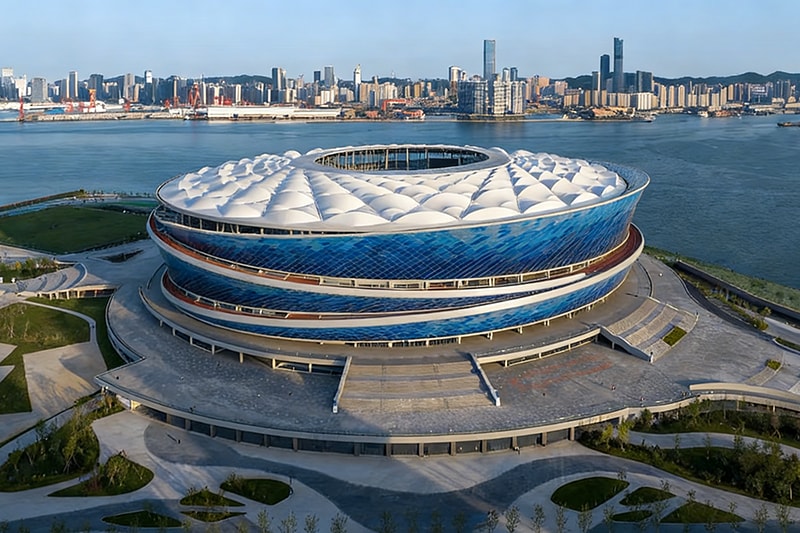
Large-span steel pipe truss and hollow section supply for landmark stadium construction in Dalian, demonstrating our large-volume structural steel capability.
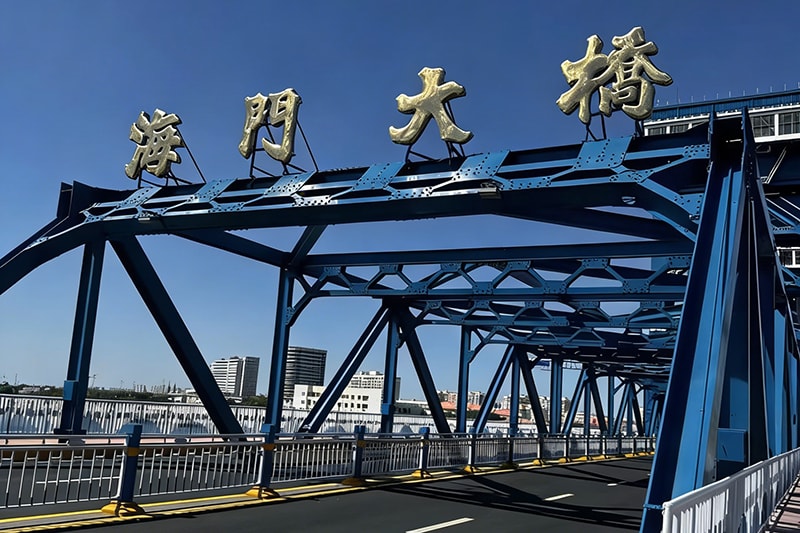
Structural steel pipes and profiles supplied for the Haimen Bridge project, a key marine crossing infrastructure requiring high-grade corrosion-resistant steel.
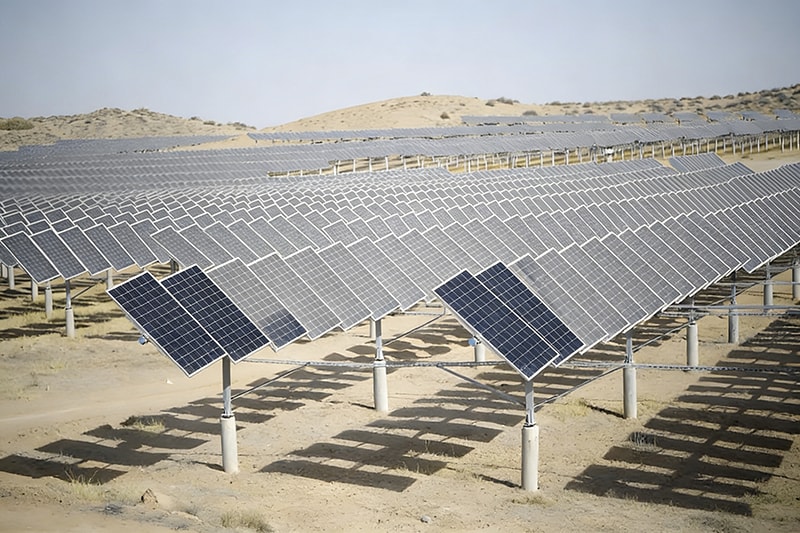
Galvanized steel pipes and solar mounting bracket structures supplied for large-scale photovoltaic energy projects in Saudi Arabia.
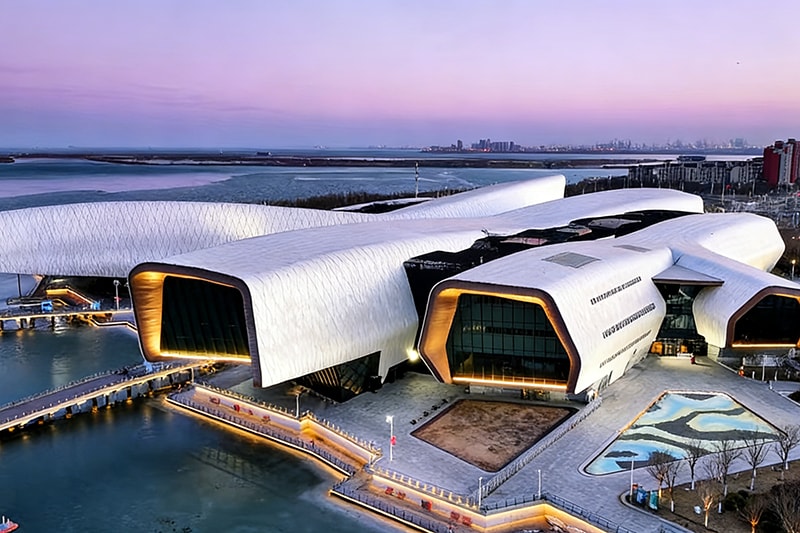
Specialty steel pipe and structural steel supply for the Tianjin Aquarium — a showcase of marine-themed architectural steel engineering.
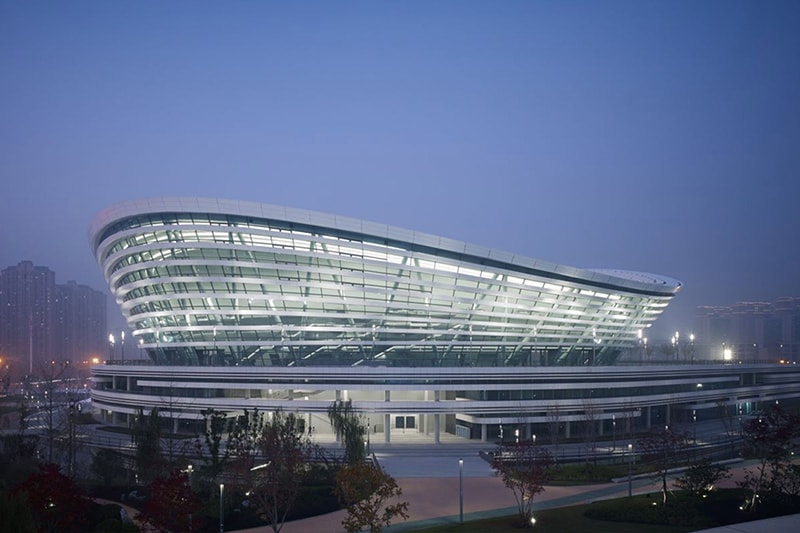
Large-span steel pipe trusses and structural hollow sections for university gymnasium construction, demonstrating versatile engineering capability.




 June 11th, 2026
The global galvanized steel pipe industry runs steadily recently.
READ MORE
 June 11th, 2026
Carbon steel angle bar is one of the most widely used, cost-effective, and versatile structural steel profiles in global industry.
READ MORE
 June 09th, 2026
Steel plates are core foundational materials widely used in global infrastructure construction and industrial manufacturing.
READ MORE