
Leave Your Message
Precision-engineered structural steel profiles trusted by shipyards and marine contractors worldwide. Compliant with GB, EN, ASTM and international marine standards.
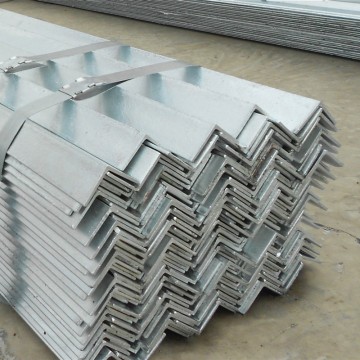 ASTM A36 Carbon Steel Equal/Unequal Angle Bar — Ship Frame Stiffeners & Brackets
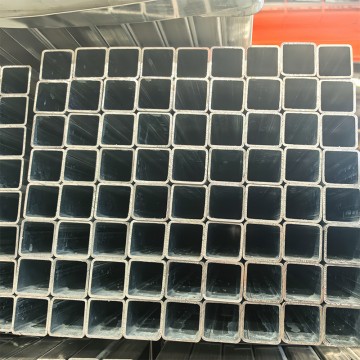 Hot Dipped Galvanized Square & Rectangular Steel Pipe — Offshore & Marine Hollow Sections
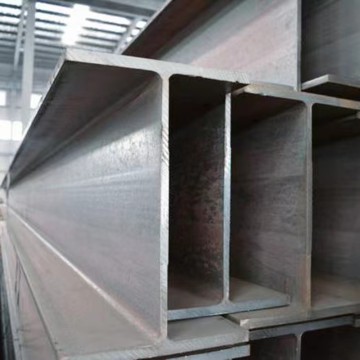 SS400 Hot Rolled Structural Steel H Beam — Ship Keel, Deck Beams & Bulkheads
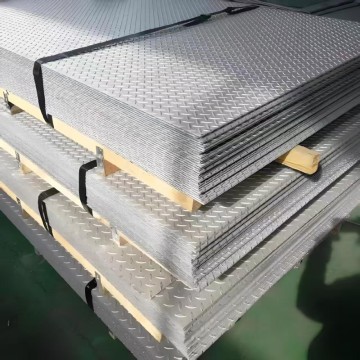 Checkered Steel Plate Diamond Steel Sheet — Marine Deck Flooring & Anti-Slip Surfaces
A comprehensive analysis of the role, commercial landscape, and evolving applications of structural steel in the global maritime sector.
The shipbuilding and marine engineering industry represents one of the most steel-intensive sectors in the global economy. Every vessel — from bulk carriers and container ships to offshore drilling rigs and naval frigates — relies fundamentally on a robust steel framework to deliver structural integrity, seaworthiness, and operational longevity. As global trade volumes expand and offshore energy exploration deepens, the demand for high-performance marine-grade steel continues to accelerate at an unprecedented pace.
A ship's structural steel framework — comprising the keel, frames, bulkheads, decks, stringers, and transverse web frames — must simultaneously withstand hydrostatic pressure, wave-induced dynamic loading, thermal stresses, and corrosive marine environments. No other material matches structural steel's combination of tensile strength (typically 400–690 MPa), ductility, weldability, and cost-effectiveness at the scale demanded by modern shipyards. The steel framework is not simply a skeleton; it is the engineering foundation upon which every system — propulsion, navigation, cargo handling, safety — depends.
The global shipbuilding market was valued at approximately USD 180 billion in 2024 and is projected to surpass USD 240 billion by 2030, driven by fleet renewal cycles, LNG carrier demand, and offshore wind installation vessels. China, South Korea, and Japan together account for over 90% of global gross tonnage output, with Chinese yards alone delivering more than 50 million DWT annually. This concentration creates enormous, sustained demand for structural steel profiles — H-beams, angle bars, flat bars, steel plates, and hollow sections — sourced primarily from integrated steel manufacturers in proximity to major port clusters such as Tianjin, Qingdao, and Zhoushan.
Marine structural steel must comply with classification society rules — Lloyd's Register, DNV GL, Bureau Veritas, ABS, CCS — which mandate specific grades such as AH32, AH36, DH36, EH36 for higher-strength hull construction, and A, B, D, E grades for normal-strength applications. ASTM A36, SS400, and S355 are widely used for auxiliary structures, outfitting, and offshore support frameworks. Galvanized steel profiles and corrosion-resistant coatings are increasingly specified for above-waterline structures, accommodation modules, and offshore platform topsides where long-term maintenance costs are a critical commercial consideration.
The shipbuilding steel sector is undergoing rapid transformation driven by decarbonization mandates, digital manufacturing, and new vessel typologies.
IMO's 2050 net-zero target is reshaping material procurement. Shipyards increasingly specify low-carbon, electric arc furnace (EAF)-produced steel with reduced embodied CO₂. High-strength steel grades allow thinner scantlings, reducing vessel weight and fuel consumption — a critical driver for LNG carriers and hydrogen-fuel-cell ferries entering service through 2030.
Modern shipyards deploy CNC plasma cutting, robotic welding cells, and BIM-integrated steel detailing to achieve tolerances below ±1mm on complex curved hull panels. Pre-fabricated steel block assembly — where entire ship sections are built in parallel and joined on the slipway — demands steel profiles with ultra-consistent dimensional tolerances and certified mill test reports (MTRs) traceable to heat numbers.
The global offshore wind market is driving demand for monopile foundations, jacket structures, and floating semi-submersible platforms that consume thousands of tonnes of structural steel per installation. S355, S420, and S460 grades dominate, with growing interest in S690 ultra-high-strength steel for deeper-water applications. BAOLF's galvanized hollow sections and H-beams are increasingly specified for secondary steel and cable tray supports on offshore wind topsides.
Post-pandemic cruise fleet recovery and surging LNG trade (up 12% YoY in 2024) are sustaining newbuild orders at historically high levels. These vessel types require extensive use of stainless-clad steel, high-strength alloy plates, and precision-cut structural profiles for tank containment systems, machinery foundations, and superstructure frameworks — all areas where certified mill supply chains provide competitive advantage.
Marine environments impose severe electrochemical corrosion on steel structures. Hot-dip galvanization (85–100 μm zinc coating), epoxy primer systems, and thermal spray zinc/aluminum coatings are increasingly specified as primary corrosion barriers. BAOLF's hot-dipped galvanized square and rectangular hollow sections offer a factory-applied, long-life solution for above-waterline marine structures, reducing lifecycle maintenance costs by up to 40%.
Shipyard procurement teams prioritize suppliers within efficient logistics corridors of major ports. BAOLF Steel Group's location just 20km from Tianjin Port — one of China's busiest — enables rapid loading, reduced inland freight costs, and reliable delivery scheduling. With 800,000 tonnes of annual output across 6 subsidiaries, BAOLF can fulfill large-volume, multi-grade marine steel orders within competitive lead times.
How structural steel framework components serve specific engineering roles across the full spectrum of marine and offshore projects.
The primary hull structure consists of longitudinal frames (angle bars, flat bars, bulb flats), transverse web frames (H-beams, T-bars), inner and outer bottom plating (steel plates), and longitudinal bulkheads. For a typical 50,000 DWT bulk carrier, the hull steel weight exceeds 8,000 tonnes. ASTM A36 angle bars and SS400 H-beams are core components for frame stiffeners, hatch coaming structures, and bilge brackets, offering the weldability and notch toughness essential for fatigue-critical hull joints.
Fixed offshore platforms and semi-submersible rigs require structural steel frameworks capable of withstanding 100-year storm wave loads, wind forces, and equipment dynamic loads simultaneously. H-beams and wide-flange sections form the primary deck framing, while angle bars and channel sections are used for secondary framing, grating supports, and equipment skids. Galvanized hollow sections are preferred for handrail systems, cable trays, and HVAC duct supports in splash-zone and above-deck environments.
Beyond the vessels themselves, shipyard infrastructure — including graving docks, floating drydocks, panel lines, and prefabrication halls — relies heavily on structural steel. Prefabricated steel structure workshops and warehouses, as supplied by BAOLF's Fucheng Ruiteng subsidiary, provide the large clear-span, high-bay environments essential for ship block assembly. Checkered steel plates are standard for dock floor surfaces and maintenance walkways where anti-slip performance is a safety requirement.
Each offshore wind monopile foundation consumes 500–1,500 tonnes of structural steel plate, while the transition piece — connecting monopile to tower — incorporates heavy-wall tubular sections, stiffening rings, and flange plates. Jacket foundations for deeper waters use four-legged lattice frames built from circular hollow sections and angle bracing. BAOLF's galvanized square and rectangular hollow sections serve as secondary steel for cable J-tubes, boat landing structures, and anode mounting frames on these installations.
Naval vessels demand the highest structural steel specifications — ultra-high-strength HY-80 and HY-100 grades for submarine pressure hulls, DH36 and EH36 for frigate and destroyer hull plating, and extensive use of stainless-clad and armor steel for specific compartments. The secondary structural steel — angle bars, channel sections, and flat bars — follows standard marine grades but with enhanced inspection and traceability requirements. BAOLF's certified production lines and quality management systems support the documentation demands of defense procurement.
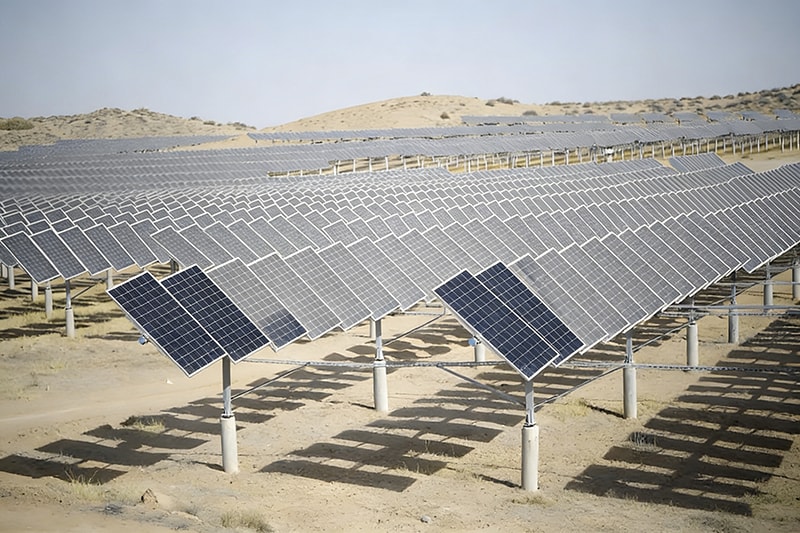
A growing application area is the integration of photovoltaic systems on vessel superstructures, port canopies, and offshore platform rooftops. Galvanized steel solar brackets — lightweight, corrosion-resistant, and structurally efficient — are increasingly deployed on ro-ro ferries, cruise ships, and port terminal roofs to offset auxiliary power consumption. BAOLF's solar bracket product line, utilizing galvanized steel and aluminum alloy components, provides a factory-engineered, marine-compatible mounting solution for these emerging applications.
Our most specified products for shipbuilding, offshore, and marine engineering applications — available in full specifications with customizable dimensions.
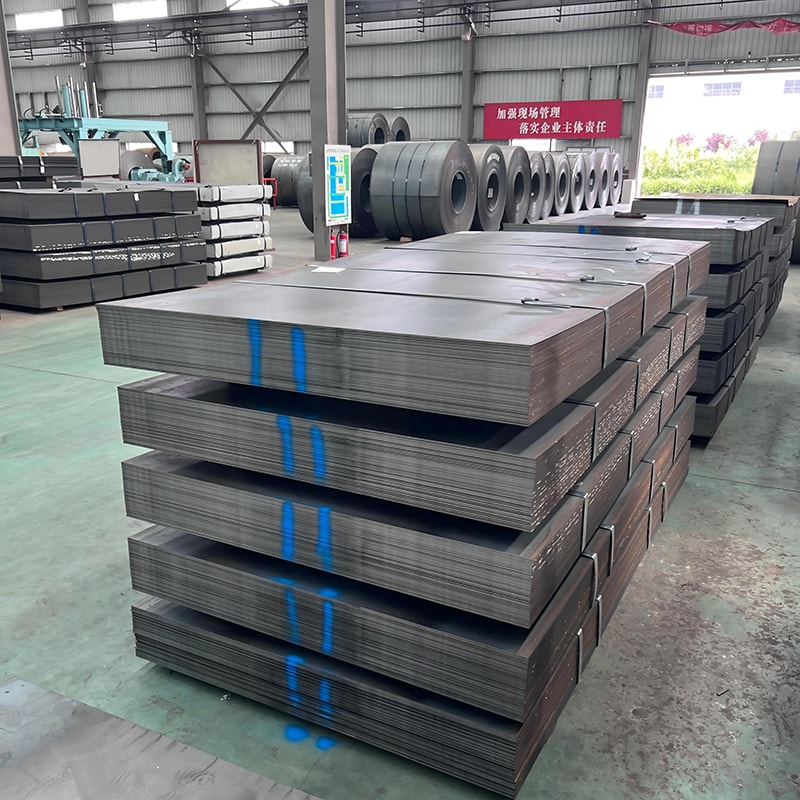
Hot-rolled and cold-rolled steel plates in various thicknesses. Widely used in hull plating, deck structures, bulkheads, and tank tops. Compliant with GB, EN, ASTM and marine classification standards.
LEARN MORE →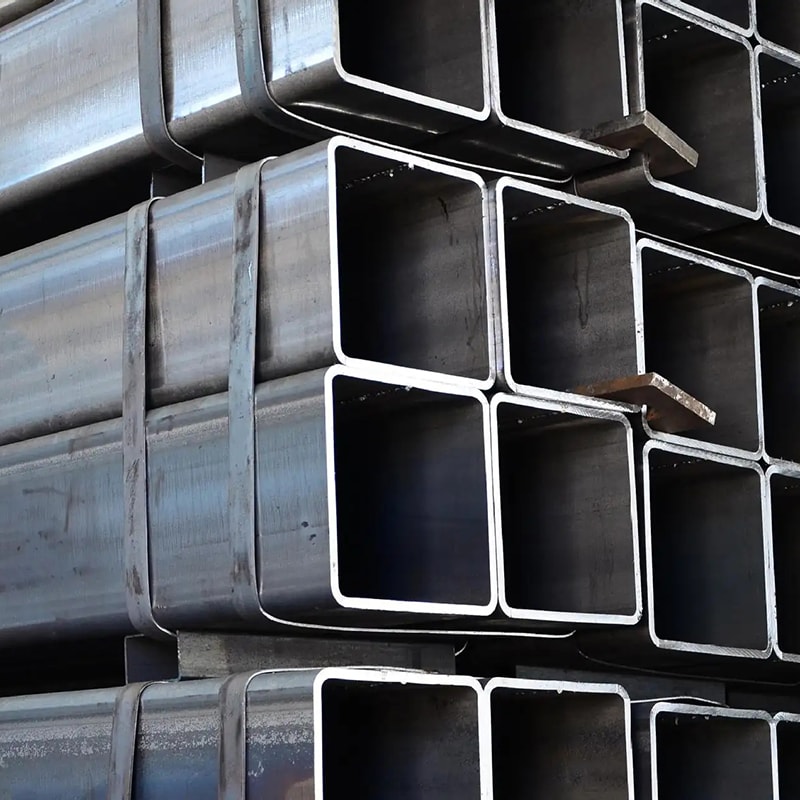
High-strength hollow structural sections in black and galvanized finishes. Used in offshore platform secondary framing, cable tray supports, handrail systems, and marine outfitting.
LEARN MORE →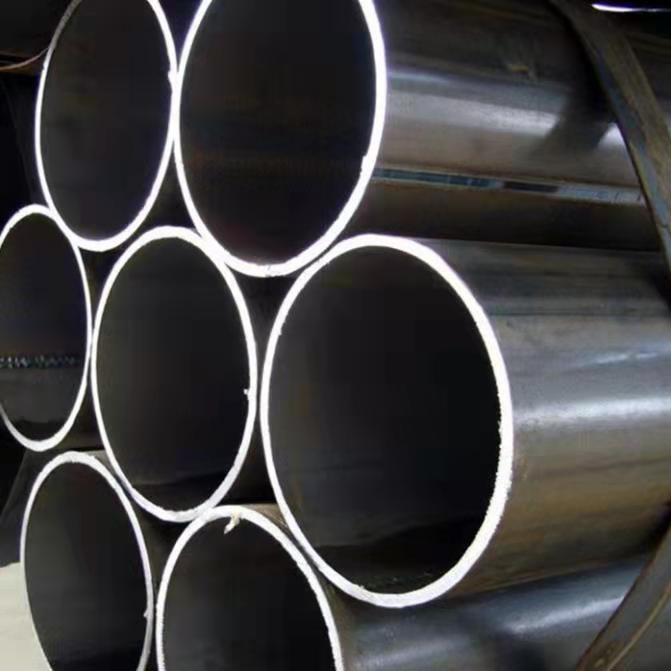
Circular hollow sections offering excellent pressure resistance. Used in marine pipeline systems, davit supports, mast structures, and offshore jacket bracing. Available in black and galvanized.
LEARN MORE →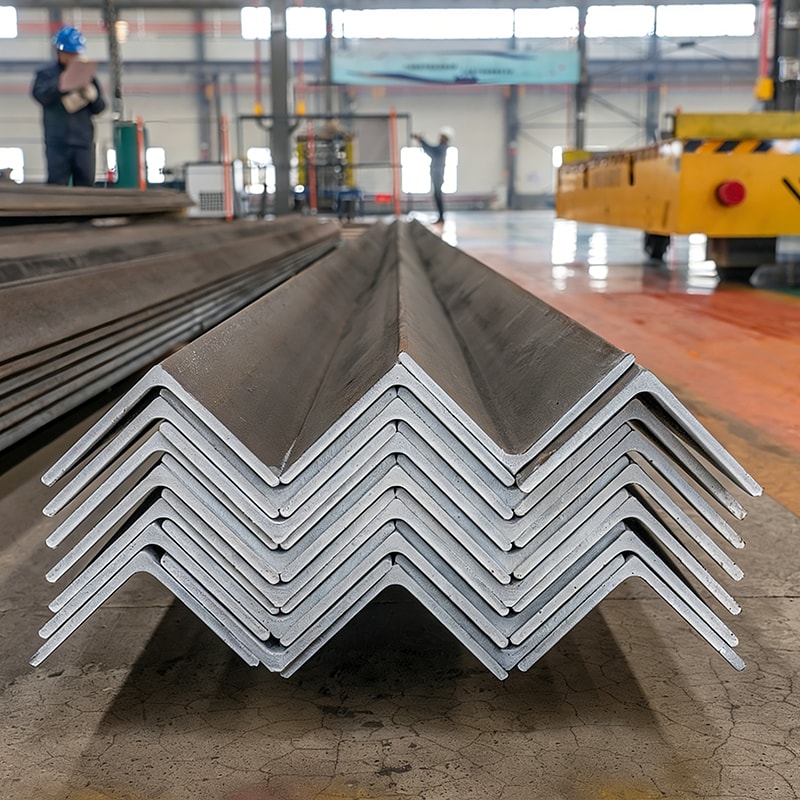
Hot-rolled L-shaped carbon steel sections in equal and unequal configurations. Core component for longitudinal frame stiffeners, bilge brackets, and hatch coaming reinforcements in marine structures.
LEARN MORE →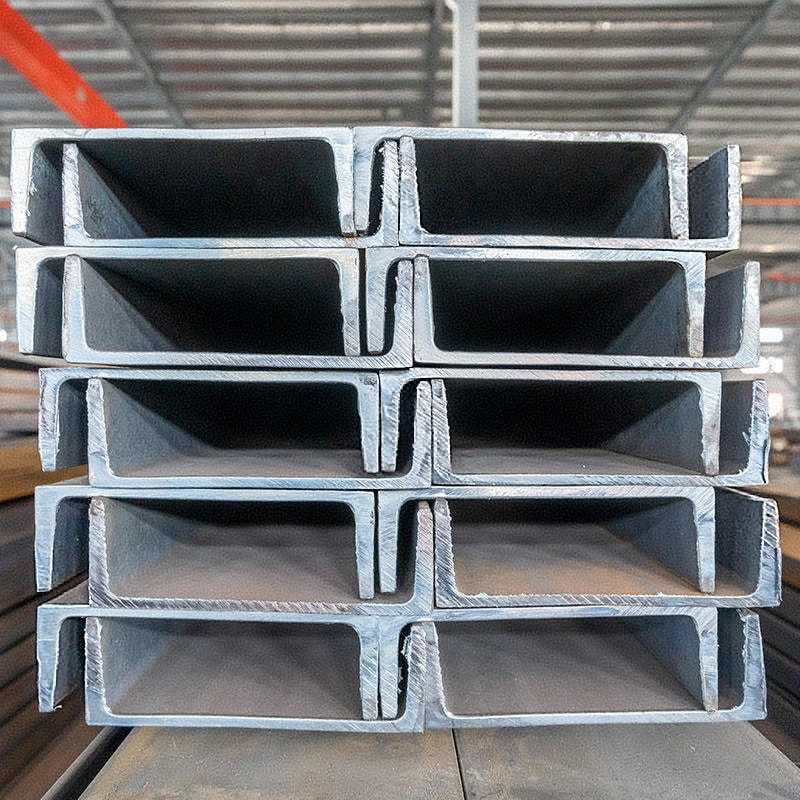
U-shaped hot-rolled structural profiles with high rigidity. Used in equipment skid bases, machinery foundation rails, cable ladder supports, and structural framing for marine vessels and offshore platforms.
LEARN MORE →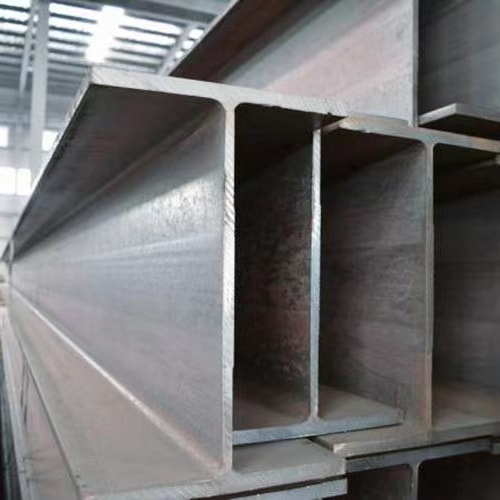
Hot-rolled H-shaped sections with superior rigidity and weldability. Primary structural members for ship keel construction, transverse web frames, deck beams, and offshore platform primary deck framing.
LEARN MORE →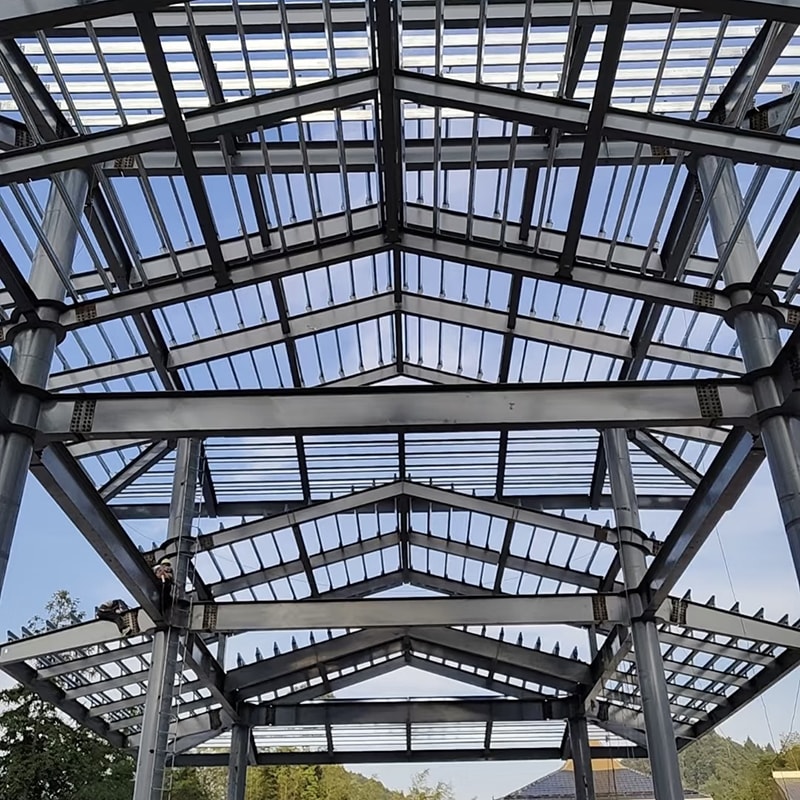
Prefabricated high-strength steel structures for large-span shipyard workshops, panel fabrication halls, and drydock maintenance facilities. Rapid construction, excellent seismic resistance, fully recyclable.
LEARN MORE →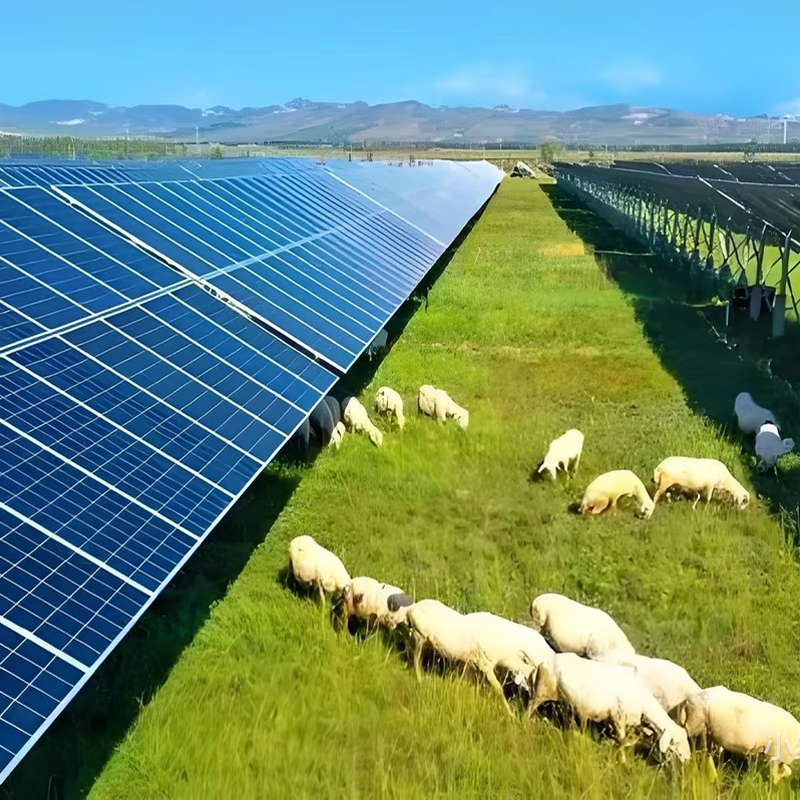
Galvanized steel and aluminum alloy solar mounting systems for vessel superstructures, port terminal rooftops, and offshore platform auxiliary power installations. Corrosion-resistant, lightweight, customizable.
LEARN MORE →


Backed by advanced production facilities, strict international quality control standards and professional teams, we deliver reliable, high-quality marine steel products.

Free Quality Checking Report will be given after inquiry or before order

Each week update produce status by email; Free Quality Checking Report within 2 days after finishing production

Each truck photo with loading details given when sending cargo to port; Cargo store photo in sea port yard provided

Photo for cargo loading inner the ship will be given to confirm safe stowage

Each week update shipline status and location and ETA; Reminding 10 days before shipline arrives
Our rich range of products can meet the needs of the military, communication, energy, medical care, industry, automotive manufacturing, and marine engineering sectors.
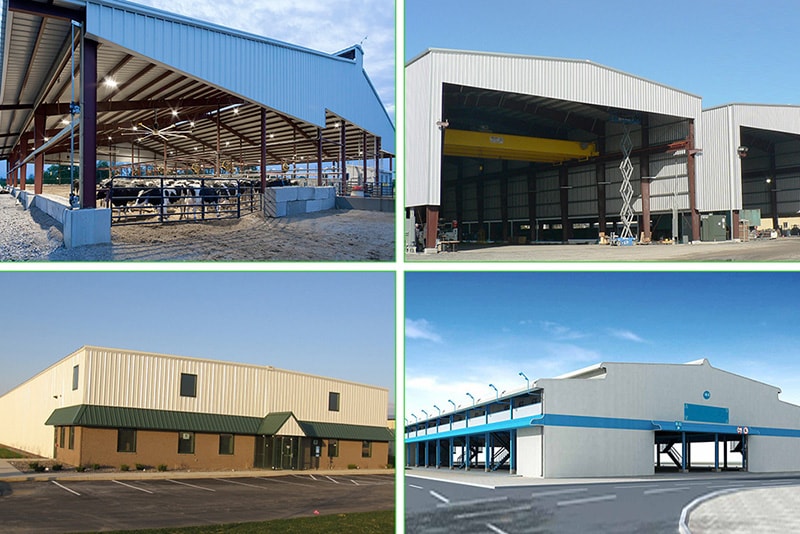
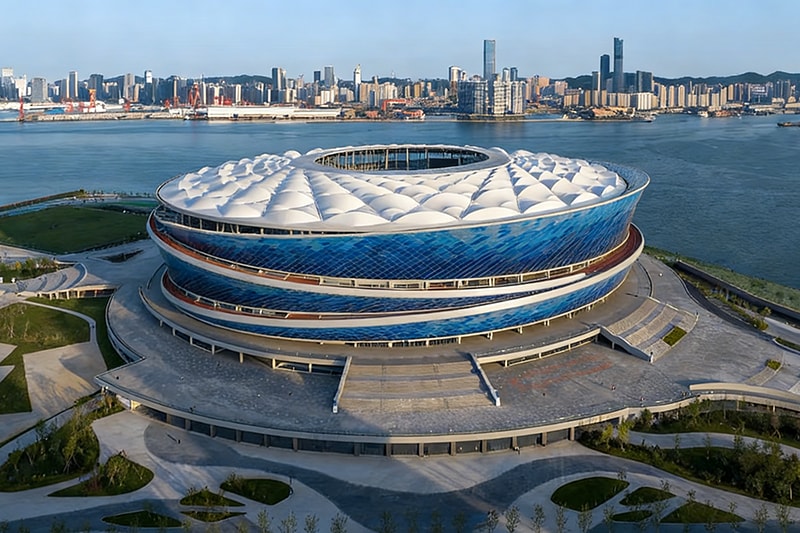
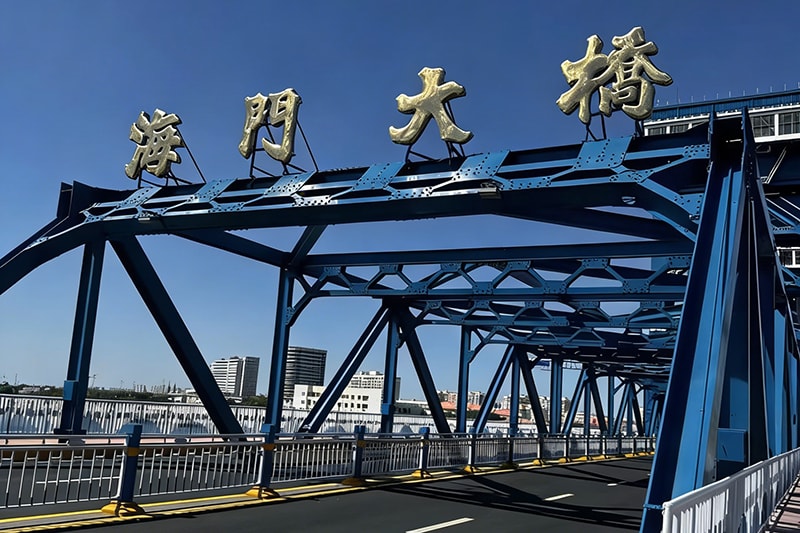
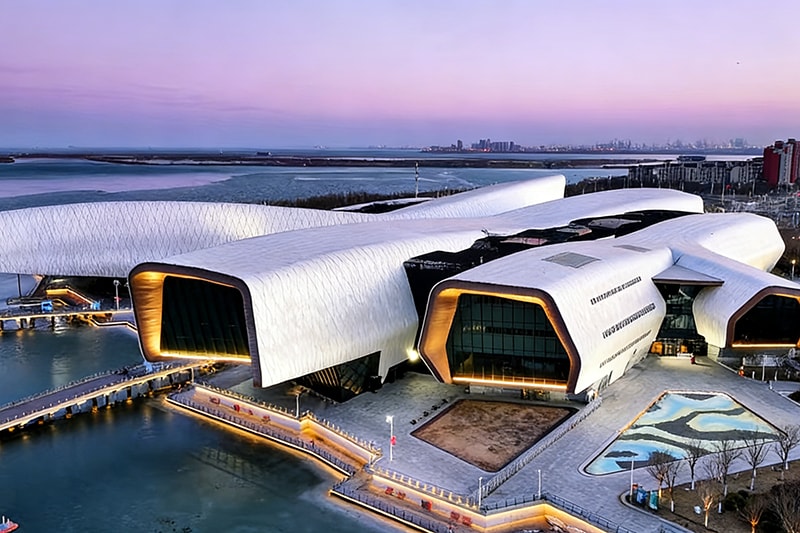
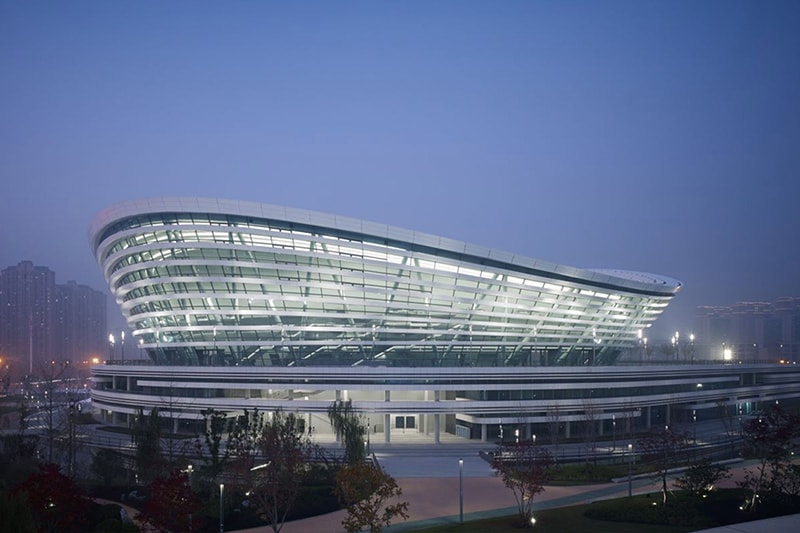
Backed by advanced production facilities, strict international quality control standards and professional teams, we deliver reliable, high-quality products certified for marine and industrial applications.
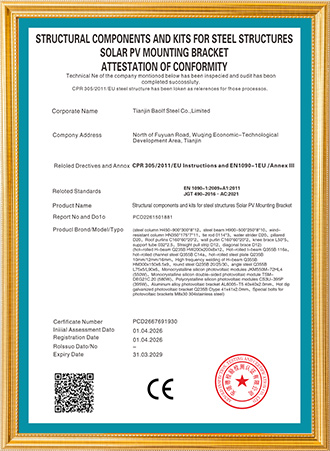
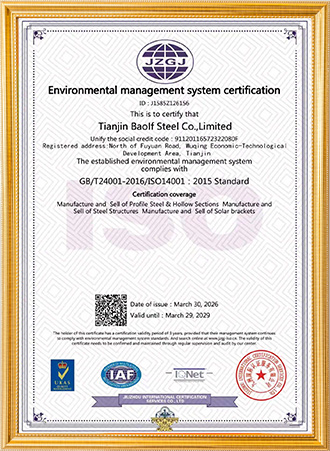

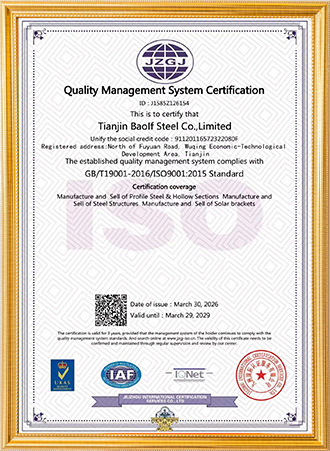
Trusted by leading shipyards, offshore contractors, and engineering firms across Asia, the Middle East, Europe, and beyond.














Stay informed with the latest industry insights, product updates, and market analysis from BAOLF Steel Group.
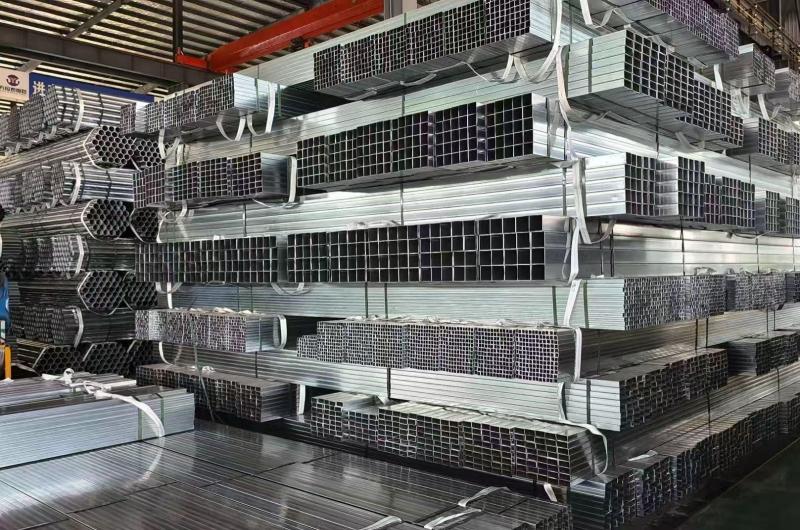
 June 11th, 2026
The global galvanized steel pipe industry runs steadily recently. Explore market trends, export opportunities, and demand drivers shaping this critical marine supply chain.
READ MORE
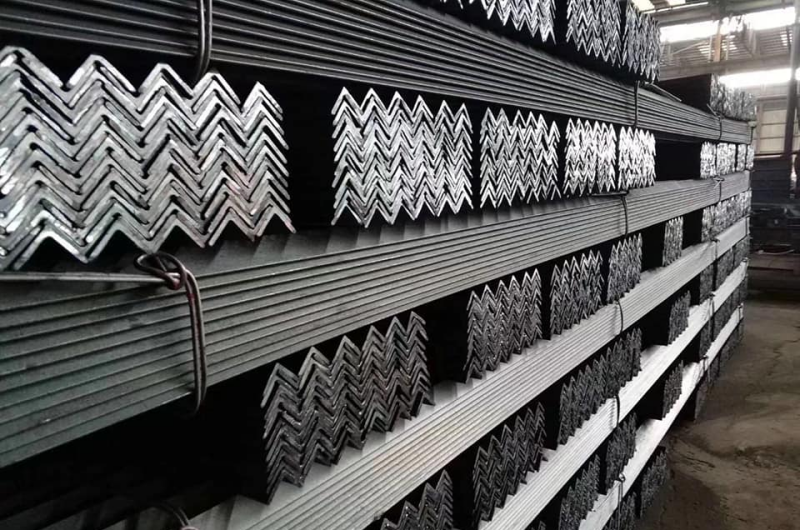 June 11th, 2026
Carbon steel angle bar is one of the most widely used, cost-effective, and versatile structural steel profiles in global shipbuilding and marine engineering applications.
READ MORE
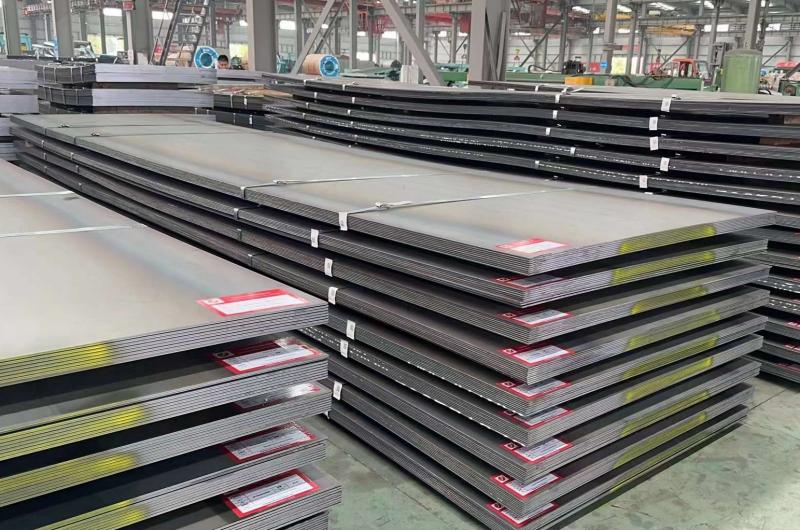 June 9th, 2026
Steel plates are core foundational materials widely used in global infrastructure construction and industrial manufacturing, including hull plating and marine structural applications.
READ MORE
Explore our complete range of certified steel products for shipbuilding, offshore engineering, and industrial construction — all available with customizable specifications.
ASTM A36 Carbon Steel Equal/Unequal Angle Bar — Marine Frame Stiffeners
Hot Dipped Galvanized Square & Rectangular Steel Pipe — Offshore Hollow Sections
SS400 Hot Rolled Structural Steel H Beam — Ship Keel & Web Frames
Checkered Steel Plate Diamond Steel Sheet — Marine Deck Anti-Slip Flooring
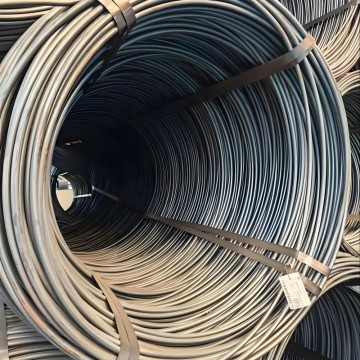 Hot Rolled Steel Wire Rod — Marine Fasteners, Rigging & Reinforcement
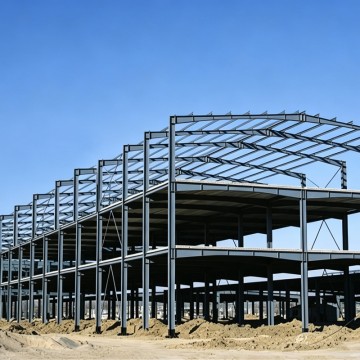 Prefabricated High-Strength Steel Structure Workshop — Shipyard & Port Warehouse
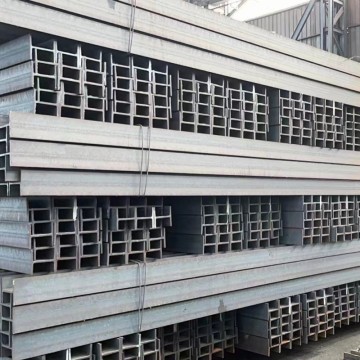 European H Beam Steel — HEA/HEB Hot Rolled Sections for Marine & Offshore
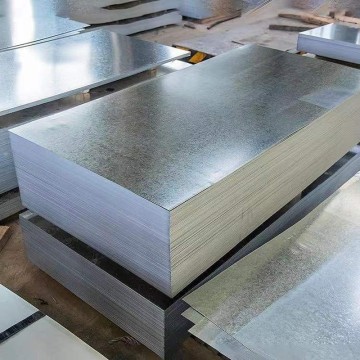 High Quality Zinc Coated Galvanized Steel Plates — Marine Corrosion Protection