
Leave Your Message
Core steel profiles trusted by solar developers and renewable energy contractors globally
The global transition toward clean energy is accelerating at an unprecedented pace. Solar photovoltaic (PV) installations, onshore and offshore wind farms, hydropower substations, and energy storage facilities all share one critical common denominator: they rely on robust, durable, and precisely engineered steel frame structures to deliver decades of reliable performance under demanding environmental conditions.
Steel frame systems for renewable energy applications are not generic construction materials. They are purpose-engineered components — from galvanized angle bars and square hollow sections to heavy H-beams and custom prefabricated modules — designed to withstand wind loads, seismic forces, UV exposure, humidity, and corrosion over 25-to-30-year project lifespans. The combination of high tensile strength, dimensional precision, weldability, and recyclability makes steel the material of choice for solar racking, wind turbine towers, substation structures, and transmission line towers worldwide.
Key Insight: According to the International Energy Agency (IEA), global solar PV capacity additions exceeded 400 GW in 2023 alone — each gigawatt of solar capacity requires thousands of tonnes of structural steel for mounting systems, support frames, and balance-of-plant structures. The demand for precision steel frames in the renewable energy sector is growing faster than any other construction segment.
The steel frame market for renewable energy structures has evolved into a highly specialized, multi-billion-dollar global industry. Driven by aggressive national decarbonization targets — including the EU's REPowerEU plan, the US Inflation Reduction Act, India's National Solar Mission, and China's 14th Five-Year Plan — procurement of structural steel for clean energy projects has surged across every continent.
In commercial-scale applications, steel frames are used to construct ground-mounted solar farms ranging from 1 MW community installations to 5,000 MW utility-scale mega-projects in the Middle East and Asia-Pacific. Industrial buyers — EPCs (Engineering, Procurement & Construction companies), solar developers, and independent power producers — demand steel that meets international standards such as ASTM A36, EN 10025, and GB/T 700, with full mill certificates, third-party inspection reports, and consistent dimensional tolerances.
The solar racking market alone — encompassing fixed-tilt ground mounts, single-axis trackers, rooftop ballasted systems, and floating solar (FPV) structures — consumed an estimated 12 million tonnes of structural steel in 2023, a figure projected to grow at a CAGR of 8-10% through 2030. Galvanized steel profiles (hot-dip galvanized to ASTM A123 or EN ISO 1461) dominate the market due to their superior corrosion resistance in outdoor environments.
Projects exceeding 500 MW are now commonplace in Saudi Arabia, India, Australia, and the US. These mega-farms require millions of steel piles, purlins, and racking components with tight tolerances and rapid delivery schedules.
Agrivoltaic systems (solar panels above crops) and floating PV on reservoirs demand lightweight yet high-strength steel frames designed for unique load conditions and elevated corrosion environments.
Tracker systems boost solar energy yield by 20-25%. Their steel torque tubes, drive posts, and bearing housings require precision-rolled steel profiles with strict straightness and surface quality standards.
Building-integrated PV and commercial rooftop installations in urban areas use lightweight galvanized steel sub-frames and ballasted racking systems that minimize roof penetrations and structural loading.
Monopile and jacket foundations for offshore wind turbines consume massive quantities of high-strength steel plate and structural sections, requiring specialized welding-grade steels with low carbon equivalent values.
The renewable energy sector increasingly demands "green steel" produced with lower CO₂ emissions. Steel's 100% recyclability aligns perfectly with the sustainability goals of solar and wind project developers.
From ground-mounted solar farms to wind energy substations — where steel frames make the difference
Steel angle bars, C-purlins, square hollow sections, and hot-dip galvanized piles form the primary structural skeleton of ground-mounted PV arrays. ASTM A36 and Q235B angle steel is widely used for cross-bracing and module rail supports, while galvanized steel piles are driven or screwed into the ground to anchor the entire array against wind uplift and seismic loads.
Commercial and industrial rooftop PV systems rely on galvanized steel sub-frames, ballasted aluminum-steel hybrid racking, and steel carport canopy structures. The steel H-beam and rectangular hollow section (RHS) are key components for carport solar canopies serving EV charging stations and parking facilities.
Floating photovoltaic systems on reservoirs, irrigation ponds, and wastewater treatment plants use corrosion-resistant galvanized steel frames and HDPE floats. Steel wire ropes and anchor chains moor the floating array to the shoreline, requiring high-tensile galvanized wire rod and strand products.
Onshore wind turbine towers are fabricated from high-strength steel plate rolled into conical sections and welded. The foundation anchor cage uses deformed steel bar and heavy structural steel sections embedded in concrete. Offshore wind jacket structures use thick-walled steel pipe and H-pile profiles.
Power transmission towers and substation bus-bar support structures use hot-rolled steel angle (equal and unequal leg), steel channel, and H-beam sections. Galvanized angle steel lattice towers are the global standard for high-voltage transmission lines serving renewable energy plants.
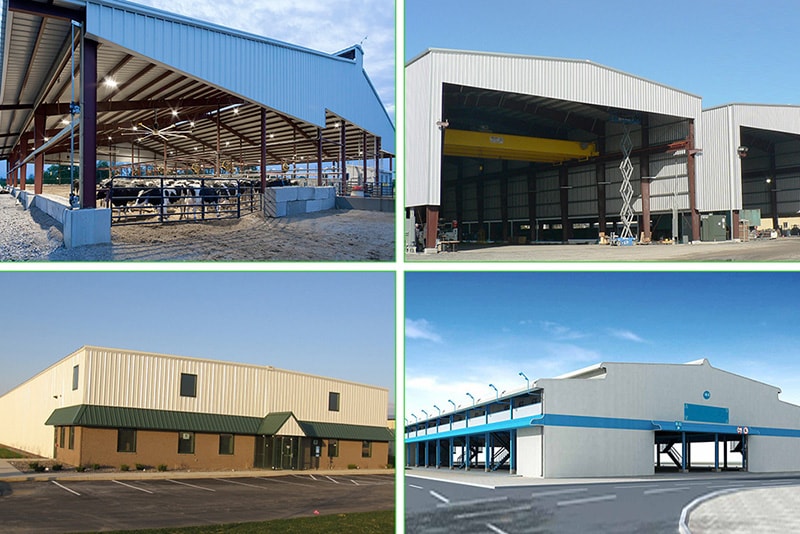
Battery energy storage system (BESS) enclosures and green hydrogen electrolysis plants require prefabricated steel structure buildings — portal frame workshops with steel columns, rafters, and purlins — that can be rapidly assembled on-site with minimal civil works.
Not all structural steel is equal when it comes to renewable energy applications. Project engineers and procurement teams specify steel based on a precise matrix of mechanical properties, surface treatment, dimensional tolerances, and environmental performance criteria:
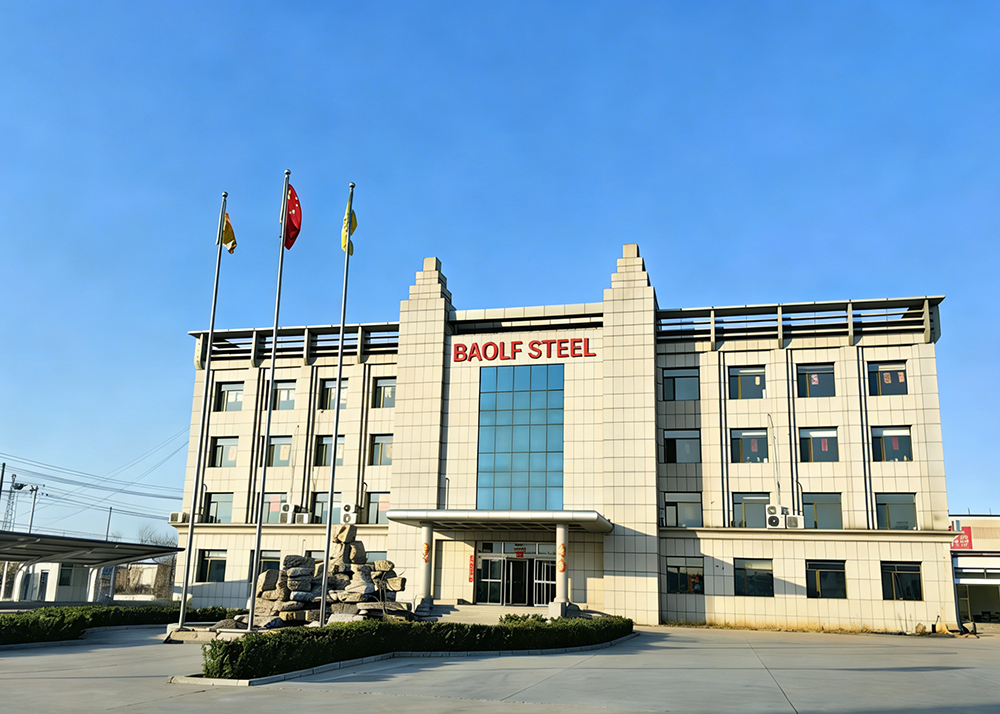
BAOLF Steel Group is a state-owned holding enterprise founded in 1995, headquartered in Tianjin, China — the country's largest steel trading hub. With six specialized subsidiaries, an annual production capacity of 800,000 tonnes, and a location just 20 km from Tianjin Port, BAOLF delivers a complete ecosystem of steel products purpose-built for renewable energy and solar racking applications:
BAOLF's dedicated new energy subsidiary — Tianjin Zhaochang New Energy Co., Limited (established 2022, 30,000 m² factory) — focuses exclusively on solar racking systems and renewable energy steel structures, with the capacity to deliver turnkey steel packages for utility-scale solar projects exceeding 500 MW.
Industry-proven steel products trusted by EPCs and solar developers across 50+ countries
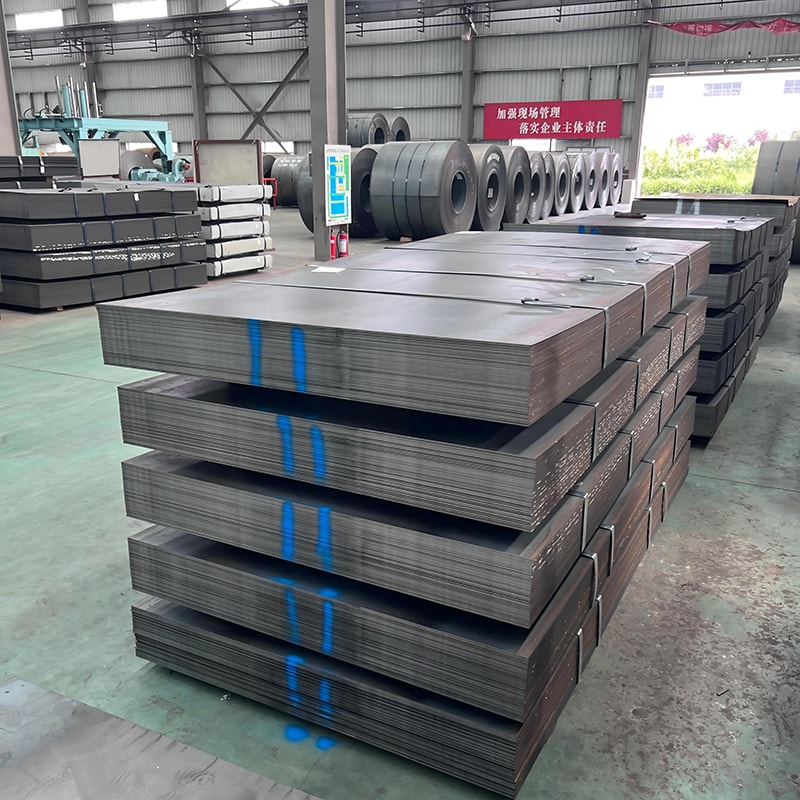
Hot-rolled and cold-rolled steel plates for wind turbine flanges, substation base plates, and solar tracker fabrication. Available in GB, EN, ASTM standards.
Learn More ›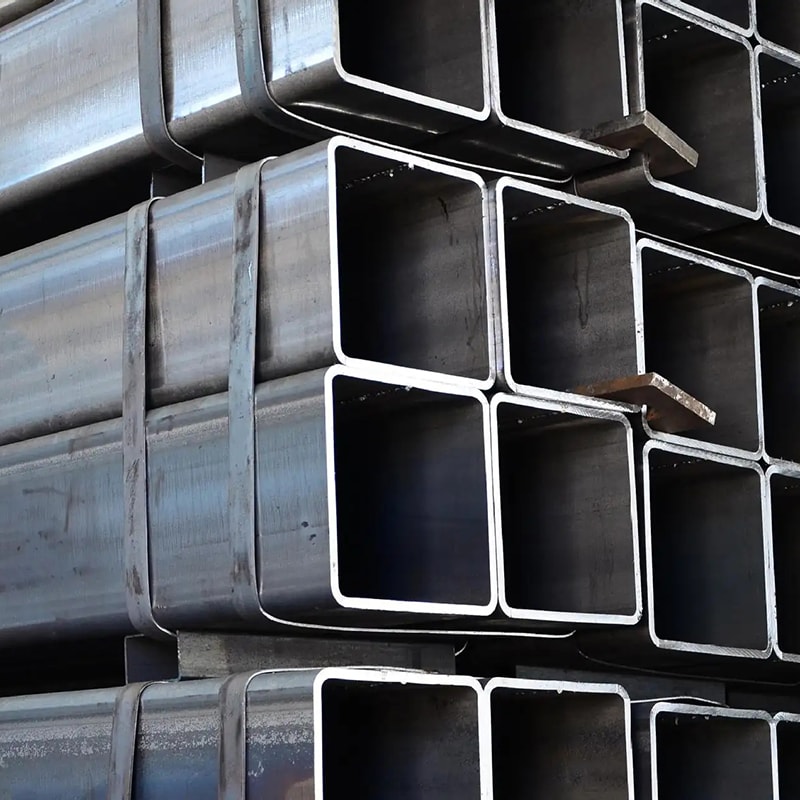
Black and galvanized square hollow sections for solar carport columns, purlin rails, and cross-bracing in ground-mount PV systems.
Learn More ›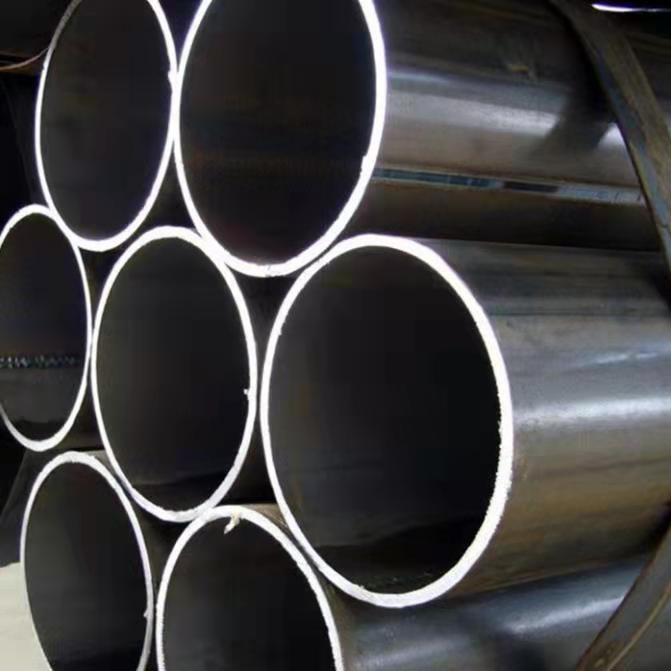
Galvanized and black round steel pipes for wind turbine internal ladders, solar driven piles, and pipeline supports in renewable energy plants.
Learn More ›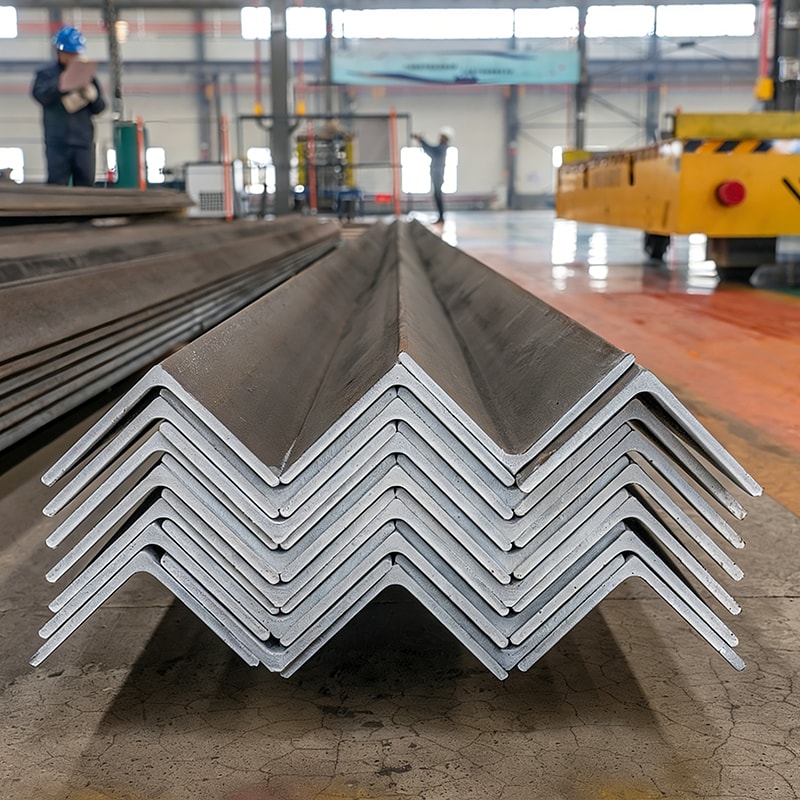
Equal and unequal leg angle steel — the universal profile for lattice transmission towers, solar racking cross-members, and structural bracing.
Learn More ›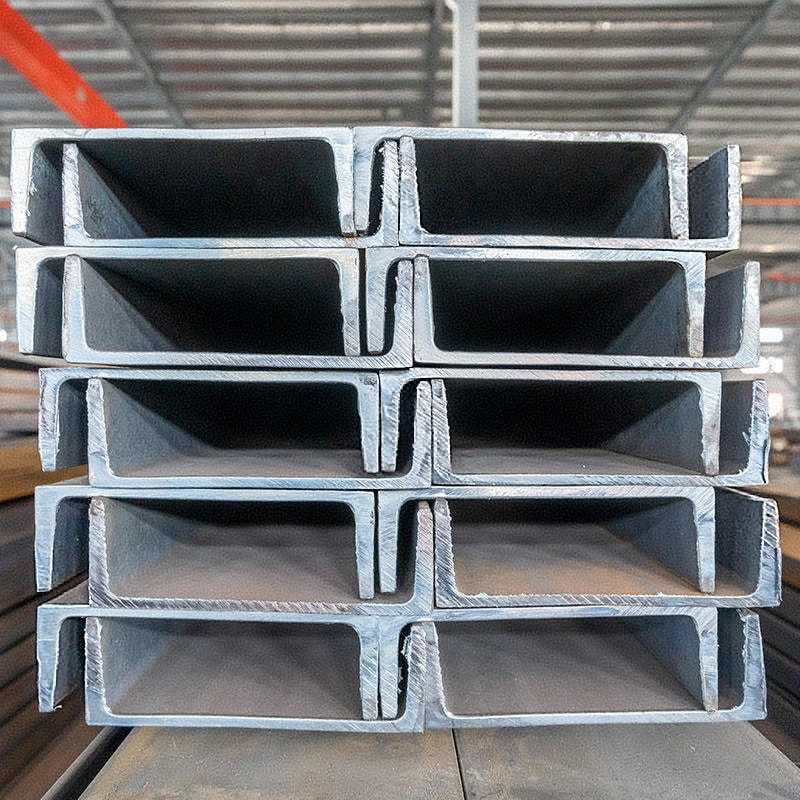
U-channel and C-channel profiles used as module support rails, cable trays, and structural purlins in rooftop and ground-mount PV systems.
Learn More ›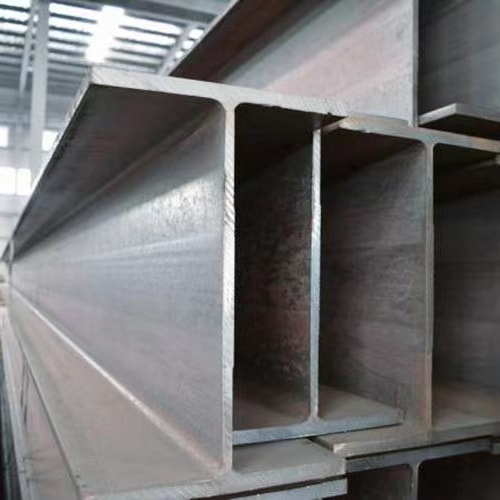
Heavy H-beams for substation building frames, BESS enclosure structures, and primary steel columns in renewable energy industrial facilities.
Learn More ›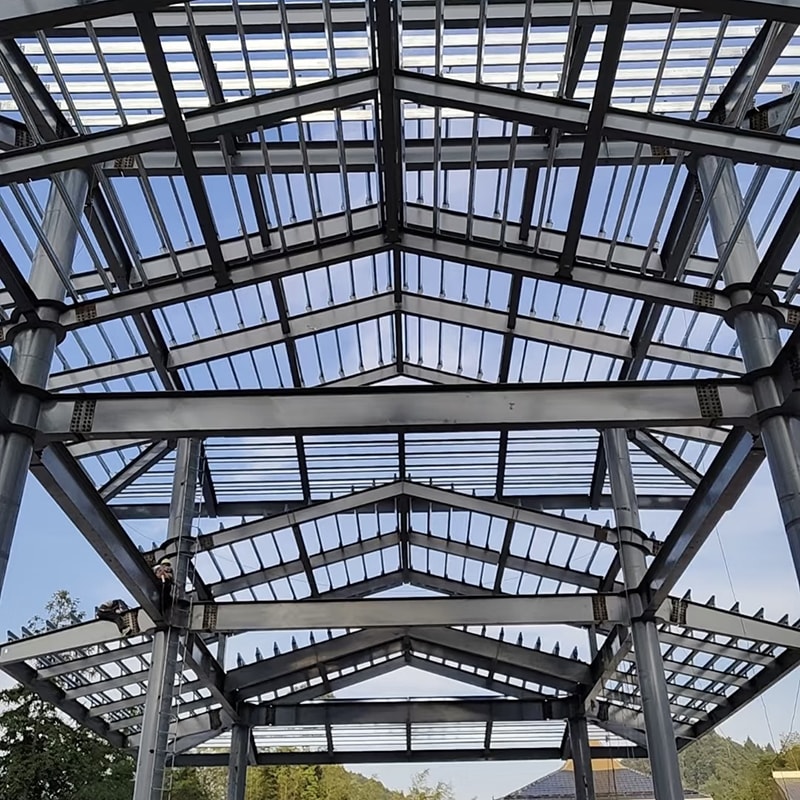
Modular portal frame steel buildings for inverter rooms, O&M workshops, hydrogen production facilities, and BESS enclosures — rapid on-site assembly.
Learn More ›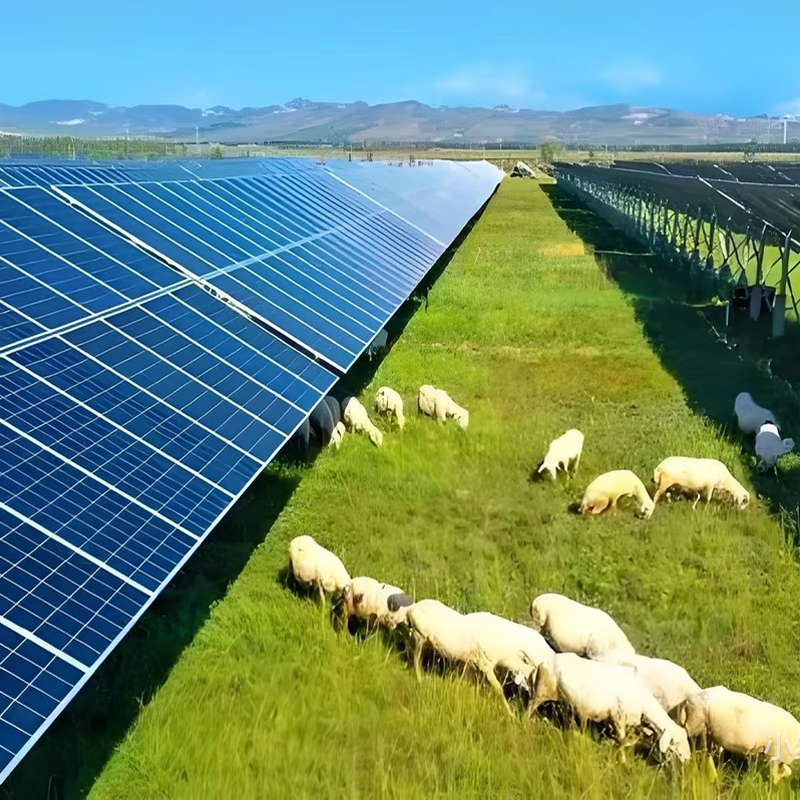
Galvanized steel, aluminum alloy, and carbon steel solar mounting systems for ground-mount, rooftop, carport, and floating PV — customizable for any terrain and climate.
Learn More ›(State-Owned Holding) Founded In 1995, Located In Tianjin, China. Only 20KM Away From Tianjin Port, Save Much Cost. 800,000 Tons Annual Output Per Year.
End-to-end transparency and quality assurance from order to delivery

Free Quality Checking Report will be given after inquiry or before order

Each week update produce status by email; after finishing production, Free Quality Checking report will be given within 2 days

Each truck photo with loading details will be given when sending cargo to port. Cargo store photo in sea port yard will be given.

Photo for cargo loading inner the ship will be given

Each week update shipline status and location and ETA. Reminding for before shipline arrive 10 days.
Our rich range of products can meet the needs of the military, communication, energy, medical care, industry, automotive manufacturing, etc.
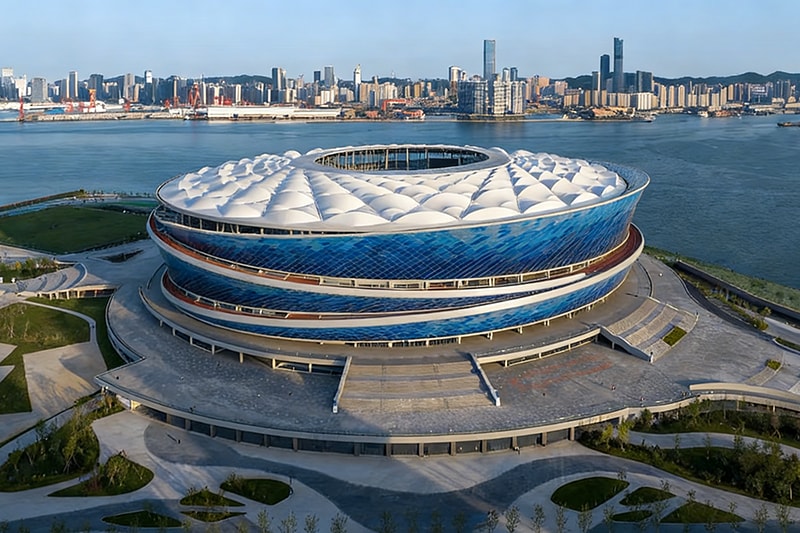
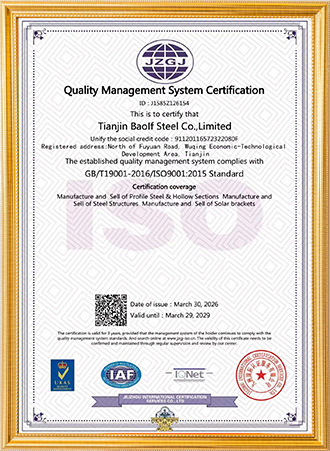
Backed by advanced production facilities, strict international quality control standards and professional teams, we deliver reliable, high-quality products.
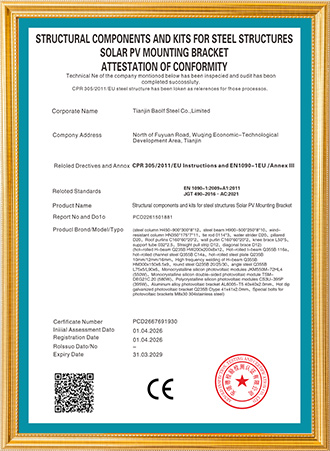
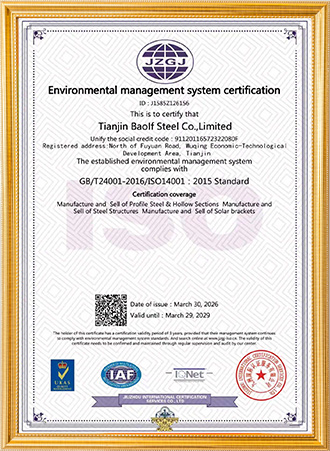













Quality leads the future — industry insights from BAOLF Steel Group
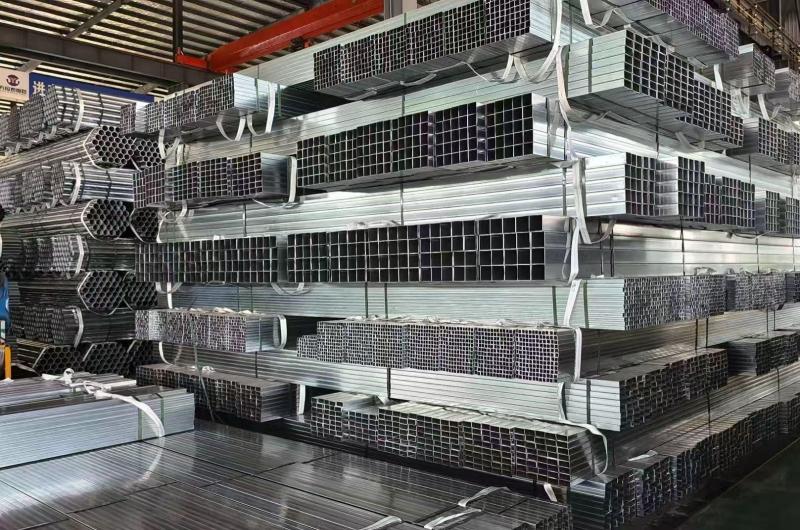
The global galvanized steel pipe industry runs steadily recently.
READ MORE ›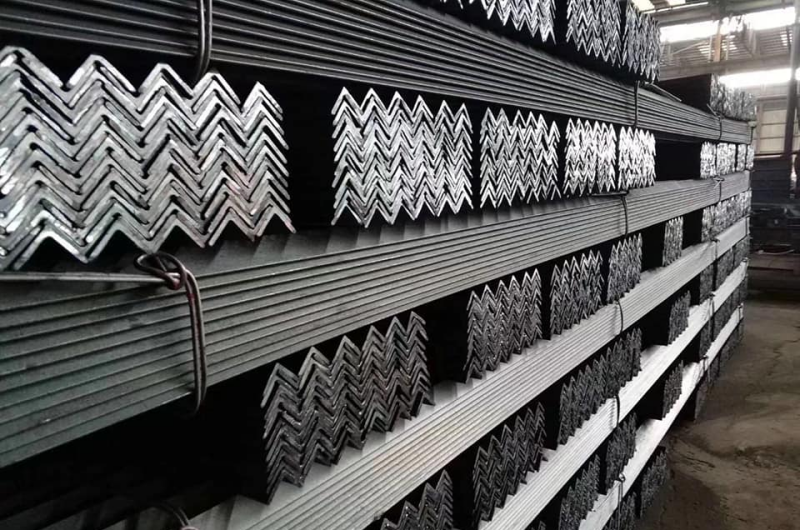
Carbon steel angle bar is one of the most widely used, cost-effective, and versatile structural steel profiles in global construction.
READ MORE ›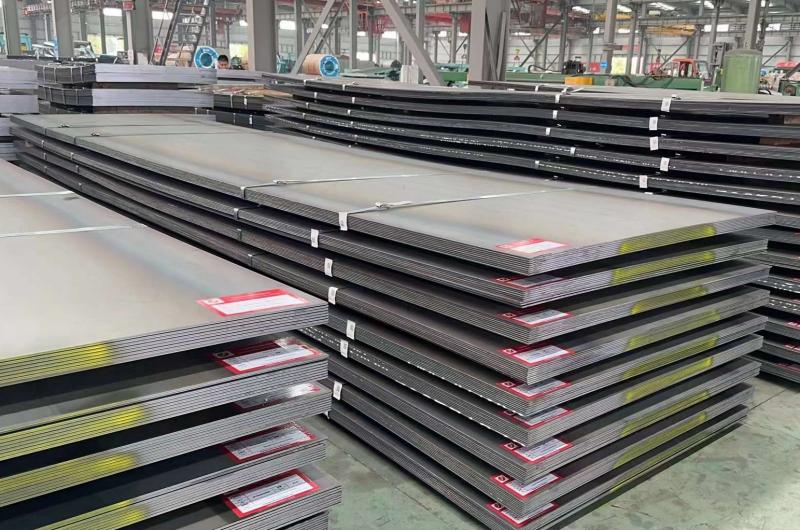
Steel plates are core foundational materials widely used in global infrastructure construction and industrial manufacturing.
READ MORE ›Complete steel supply chain — from raw profiles to fabricated structures — for every renewable energy project
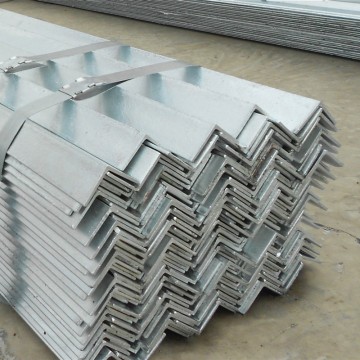 ASTM A36 Carbon Steel Equal/Unequal Angle Bar
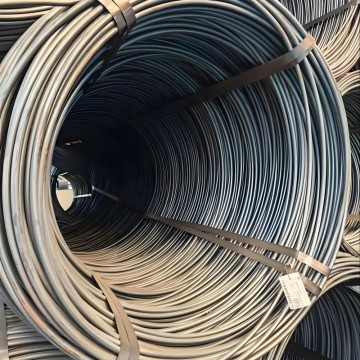 Hot Rolled Steel Wire Rod
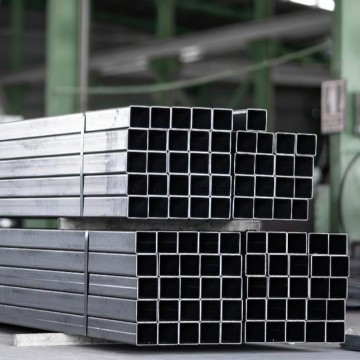 High Quality Carbon Steel Square & Rectangular Pipe
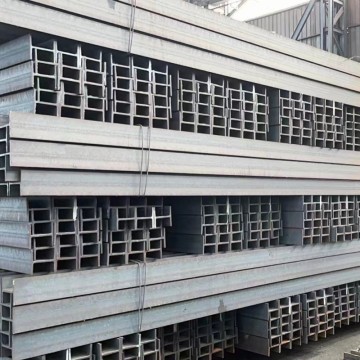 European H Beam Steel – HEA / HEB Hot Rolled Structural Sections
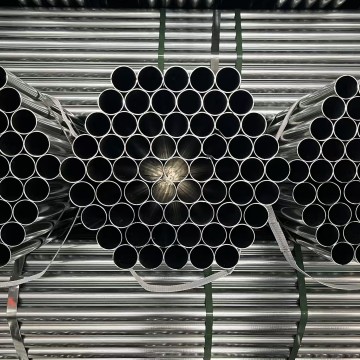 ASTM A53 Hot DIP Galvanized Steel Pipe / Gi Pipes
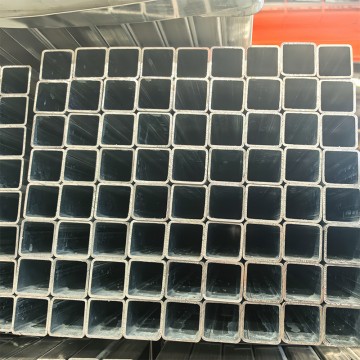 Hot Dipped Galvanized Square & Rectangular Steel Pipe Hollow Section
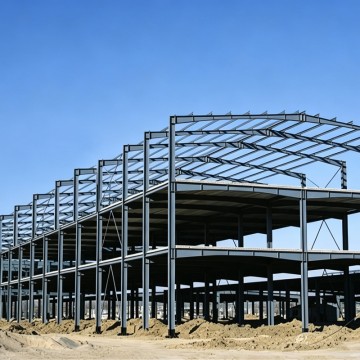 Prefabricated High-Strength Steel Structure Workshop & Warehouse for Renewable Energy Storage and Logistics
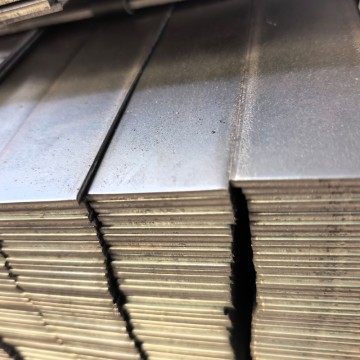 HOT ROLLED ASTM A36 Carbon Steel Flat Bar For Building