The Industrial & Infrastructure Surge: Steel Beams in Nigeria
Nigeria stands as Africa’s largest economic powerhouse and most populous nation, characterized by an unprecedented wave of urbanization, industrial modernization, and extensive civil infrastructure developments. From the expansive port terminals of the Lekki Free Trade Zone and the heavy industrial corridors of Ogun State to the sprawling transport networks connecting Lagos, Ibadan, Kano, and Abuja, the demand for high-performance structural steel has reached historical peaks.
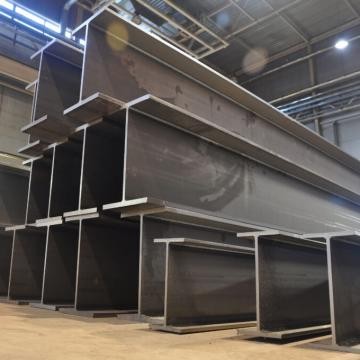
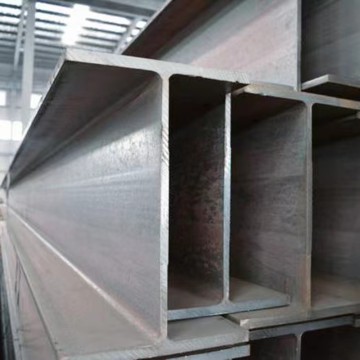
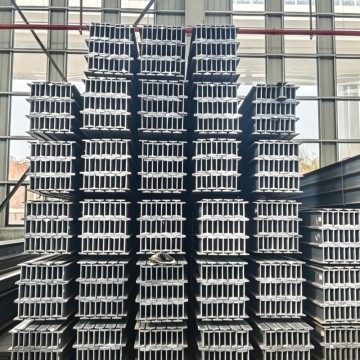
Among all structural steel profiles, Steel Beams (H-Beams, I-Beams, Universal Beams, and Wide Flange W-Beams) serve as the indispensable backbone for modern construction in Nigeria. As the federal and state governments prioritize long-span bridges, multimodal railway terminals, high-capacity warehousing, and petrochemical refining complexes, traditional reinforced concrete is increasingly replaced by or combined with prefabricated structural steel systems due to faster erection schedules, superior seismic/dynamic load bearing, and lifecycle durability.
"The shift toward pre-engineered steel buildings (PEB) and heavy structural H-beams across Nigerian commercial hubs is driving a 9.4% compound annual growth in structural steel imports and local fabrication capacity through 2030."
Key Structural Applications of Steel Beams Across Nigerian Sectors
The adoption of standardized heavy structural profiles spans numerous strategic applications across the Nigerian commercial landscape:
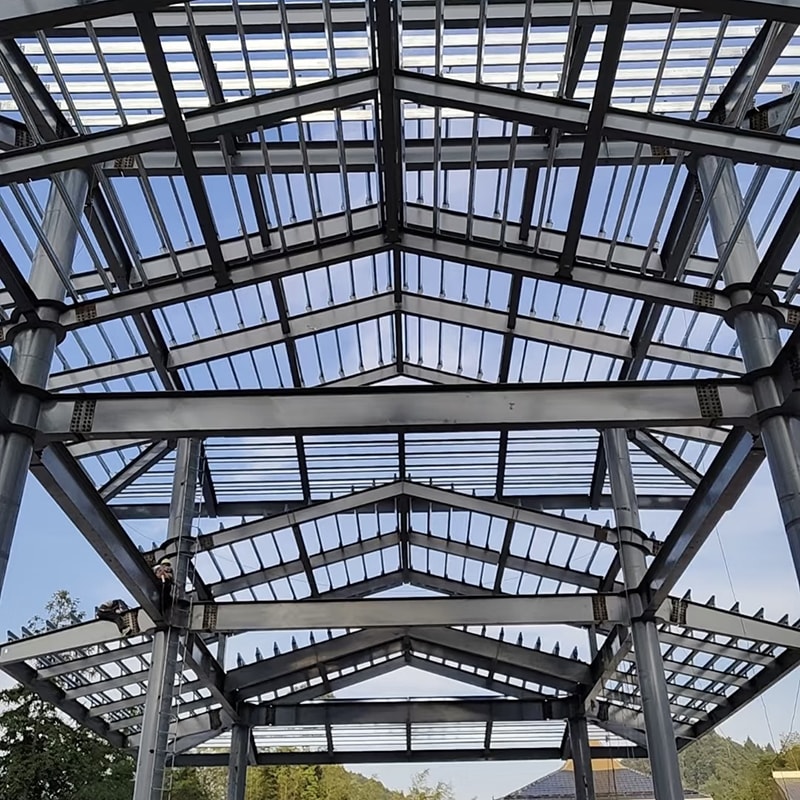
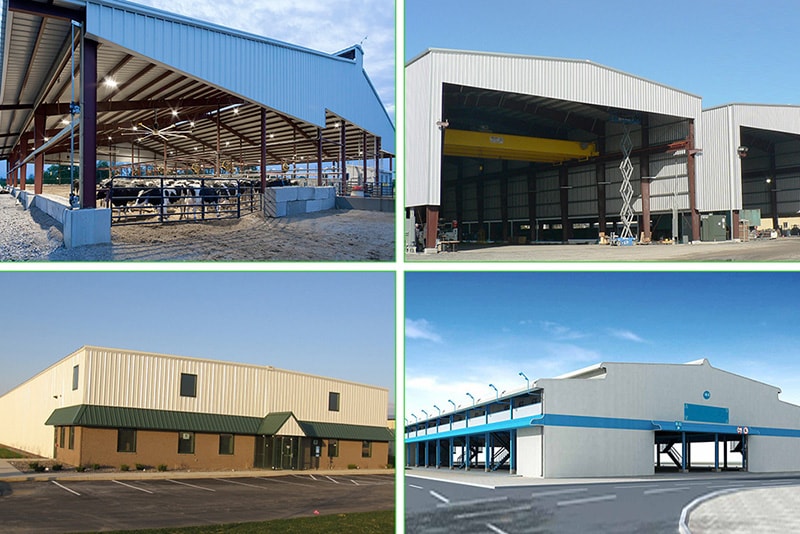
- Heavy Logistics & Distribution Warehouses: High-cube logistics hubs in Sagamu, Ikeja, and Lekki utilize wide-flange W-beams and structural H-beams to achieve column-free internal spans exceeding 45 meters, facilitating automated high-bay racking systems.
- Oil, Gas & Petrochemical Infrastructure: In the Niger Delta, Port Harcourt, and the Dangote Refinery zone, heavy ASTM A36 and S355JR steel beams form critical pipe racks, process unit skids, offshore platform decks, and equipment supporting structures.
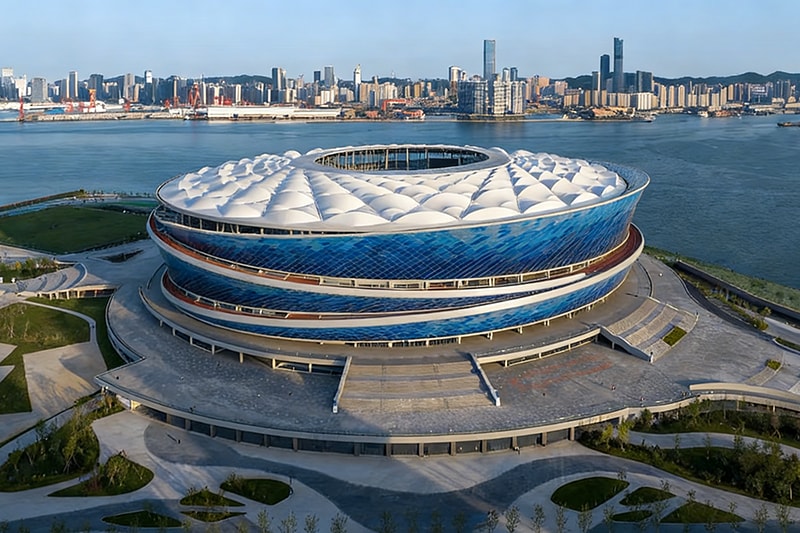
- Commercial High-Rises & Civic Architecture: Modern commercial complexes in Victoria Island, Eko Atlantic City, and the Abuja Central Business District depend on hot-rolled structural steel columns and composite beam-slab systems for high stiffness-to-weight ratios.
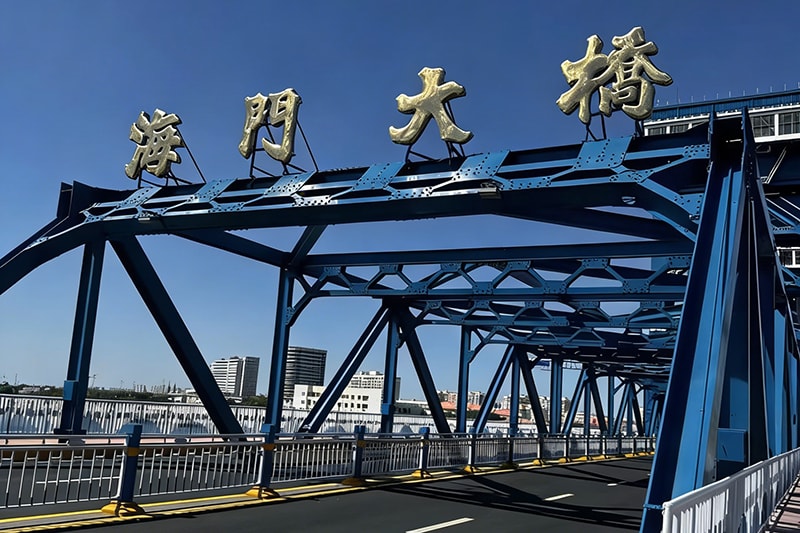
- Highway Flyovers & Railway Bridges: Infrastructure projects such as the Lagos Rail Mass Transit (Blue and Red Lines) and major federal highway bypasses integrate heavy fabricated plate girders and standard I-beams for dependable fatigue resistance under heavy freight traffic.
Engineering Standards & Anti-Corrosion Challenges in Tropical West Africa
One of the primary engineering considerations when deploying steel beams in Nigeria is the distinct climatic variations. The southern coastline along the Gulf of Guinea (Lagos, Warri, Calabar) experiences high ambient humidity and saline marine atmospheres classified as C4 to C5 corrosive environments under ISO 12944. Conversely, northern regions (Kano, Kaduna, Maiduguri) experience high thermal shifts and harmattan dust exposure.
To address these conditions, structural engineers in Nigeria strictly specify steel beams conforming to international benchmarks including BS EN 10025 (S275JR, S355JR, S355J2), ASTM A36 / ASTM A992 / ASTM A572 Grade 50, and GB/T 11263. Surface protection protocols such as hot-dip galvanizing (zinc coating ≥ 85 μm / 600 g/m²) and multi-layer epoxy-polyurethane duplex coating systems are imperative for ensuring a design working life exceeding 50 years without structural degradation.
Technical Specifications for Structural Steel Profiles in Nigeria
| Profile Type | Standard Grades | Yield Strength (Min MPa) | Tensile Strength (MPa) | Primary Nigerian Use Case |
|---|---|---|---|---|
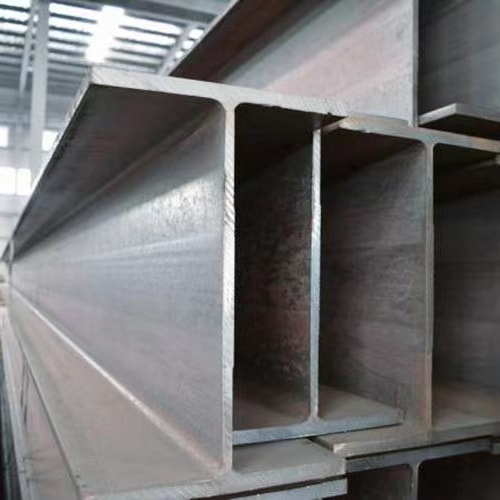
| H-Beam (HEB / HEA / UC) | S355JR / ASTM A992 | 355 MPa | 470 – 630 MPa | Main building columns, heavy industrial plant frames |
| I-Beam (IPE / IPN / UB) | S275JR / ASTM A36 | 275 MPa | 410 – 560 MPa | Floor support joists, overhead crane runway girders |
| Wide Flange (W-Beam) | ASTM A572 Gr. 50 | 345 MPa | 450 – 600 MPa | Long-span logistics roof trusses, bridge frameworks |
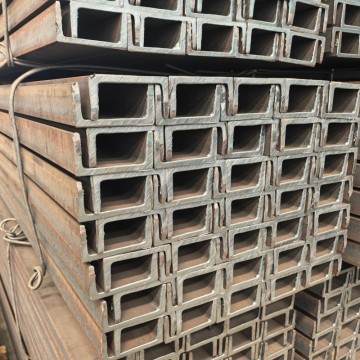
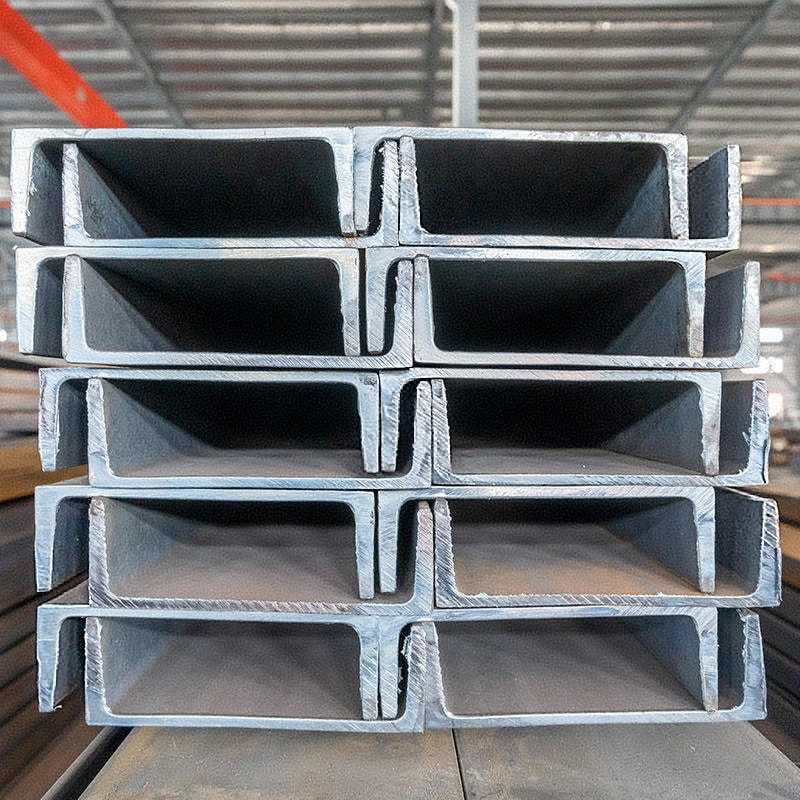
| U/C Channel Profile | ASTM A36 / SS400 | 235 – 250 MPa | 370 – 500 MPa | Purlins, wall girts, equipment foundation brackets |
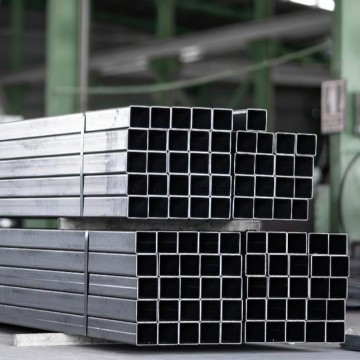
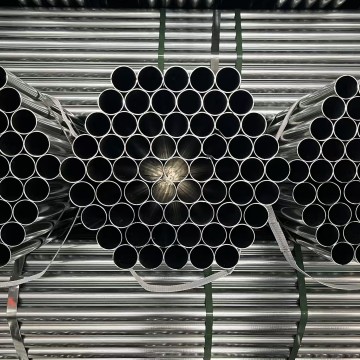
| Hollow Box / Pipe | ASTM A500 / S355J2H | 355 MPa | 490 – 630 MPa | Canopy supports, architectural space frames, piling |
Why Direct Procurement from Tianjin Port Yields Superior Total Cost of Ownership
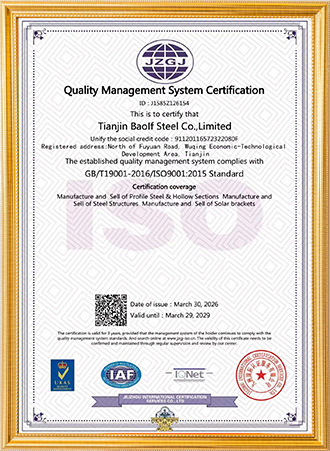
While local scrap-based induction furnace mills in Nigeria provide domestic rebar, the specialized hot-rolling technology required for large-dimension structural H-beams (up to 900mm web depth) and wide-flange profiles is primarily sourced through established global manufacturing powerhouses. BAOLF STEEL GROUP, located just 20 kilometers from Tianjin Port, provides Nigerian contractors and steel stockists with unmatched direct mill advantages:
- Freight Economy: Proximity to major deep-water berths in Tianjin lowers inland trucking overheads, translating to significant freight cost savings per metric ton delivered to Apapa or Tin Can Island Ports.
- Standard Compliance & SONCAP Certification: Every batch is pre-inspected, ultrasonic tested, and provided with 3.1 Mill Test Certificates in full accordance with the Standards Organisation of Nigeria (SONCAP) guidelines.
- Consolidated Container & Breakbulk Charters: Flexible shipping options including 20ft/40ft containerized shipments for cut-to-length projects, as well as chartered breakbulk vessels for massive multi-thousand ton infrastructure supplies.










 June 11th, 2026