Leave Your Message
Direct supply from state-owned holdings with over 50,000 tons in stock ready for shipping to Indonesia.
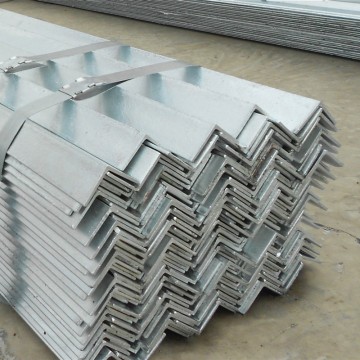
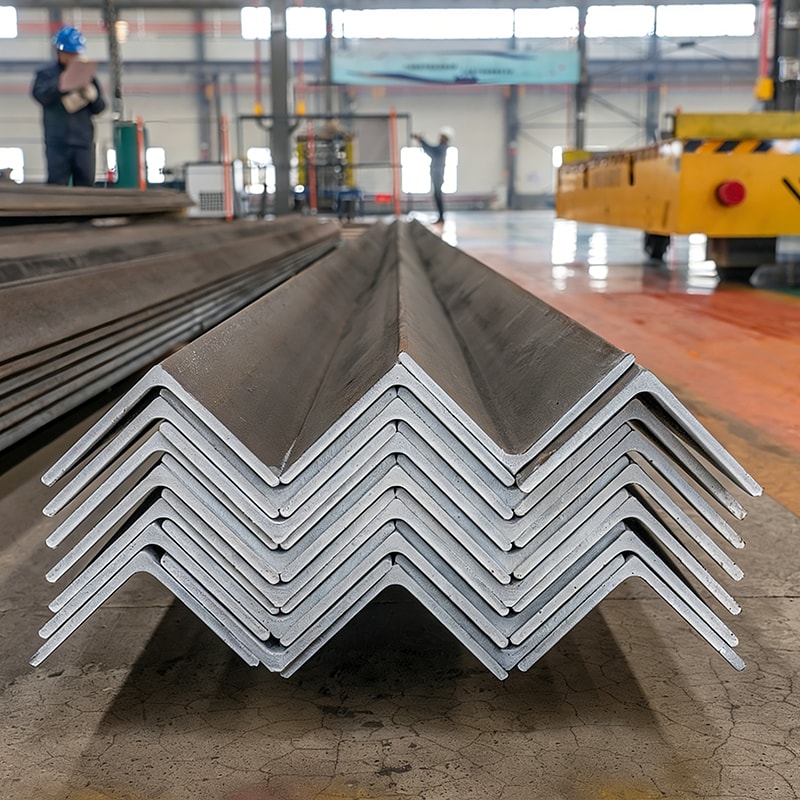
Indonesia is witnessing an unprecedented era of infrastructure development and industrialization. From the ambitious relocation of the national capital to Nusantara (IKN) in East Kalimantan to the expansion of toll roads across Sumatra and Java, structural steel remains the backbone of this transformation. Among these structural materials, galvanized angle bars (also known as L-shaped steel profiles) are highly sought after by local engineers and contractors.
The unique geographical layout of Indonesia—an archipelago spanning thousands of tropical islands—means that structural installations are constantly exposed to high humidity, heavy rainfall, and coastal salinity. Standard carbon steel profiles rust rapidly under these conditions, leading to structural failures and astronomical maintenance costs. This is where hot-dip galvanized (HDG) angle bars offer the ultimate shield. By coating the steel with a robust protective layer of zinc, these profiles resist atmospheric corrosion for decades, making them indispensable for sustainable construction in Jakarta, Surabaya, Medan, and beyond.
The versatility of galvanized angle bars allows them to be deployed in various strategic sectors across the Indonesian archipelago:
State-owned utility companies like PLN rely heavily on hot-dip galvanized angle bars to build high-voltage transmission towers. These structures must withstand harsh tropical weather and remote locations across Java, Sumatra, and Sulawesi without frequent maintenance.
Indonesia’s main maritime hubs, including Tanjung Priok in Jakarta and Tanjung Perak in Surabaya, require highly corrosion-resistant steel for dock supports, shipyards, warehouses, and coastal walkways exposed to saline environments.
The palm oil (CPO) and mining industries in Kalimantan and Sumatra utilize galvanized steel profiles for conveyor belts, processing machinery frames, and heavy-duty storage warehouses where chemical and moisture exposure is high.
State-Owned Holding | Founded in 1995 | Located in Tianjin, China
Only 20KM away from Tianjin Port, we save significant logistics costs for our international buyers, particularly in Southeast Asia. With an annual output of 800,000 tons, we are a trusted supply partner for major infrastructure projects in Indonesia, offering fast shipping, SNI-compliant quality standard options, and competitive pricing.
Established with 10 production lines for steel profiles including steel angle, steel channel, steel H-beam, and flat bars.
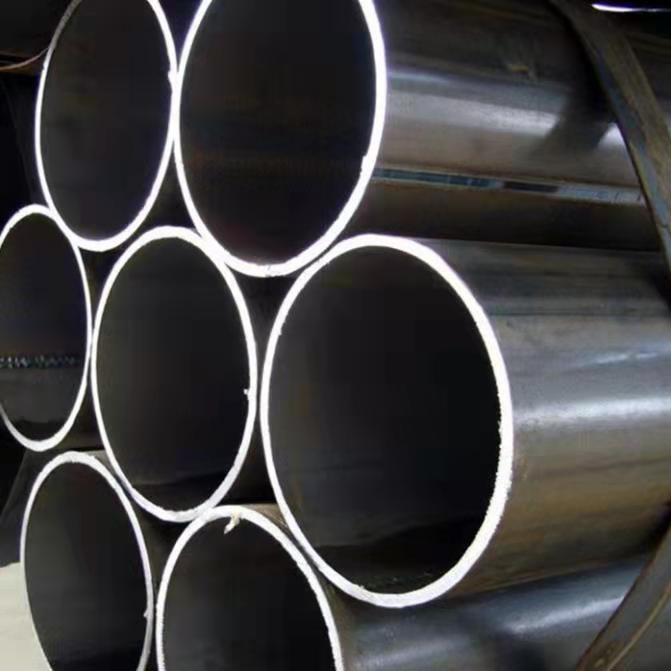
Expanded with 10 production lines for steel pipes (carbon steel pipe, galvanized pipe, and seamless pipe).
Added 3 modern production lines specialized in cutting and processing steel coils.
Inaugurated a massive 50,000-square-meter factory building for structural steel fabrication.
Established a 30,000-square-meter facility dedicated to green energy solar bracket manufacturing.
Formed a dedicated global exporting division to streamline shipping, customs clearance, and local service.


As the Indonesian government enforces stricter environmental regulations and works toward its Net Zero Emission target by 2060, the construction industry is experiencing a paradigm shift. Green building certifications, such as those issued by the Green Building Council Indonesia (GBCI), are now highly regarded. Developers are prioritizing materials that offer long-term durability with minimal replacement cycles.
Hot-dip galvanized steel plays a vital role in this sustainable movement. Unlike painted steel, which requires regular chemical recoating and releases volatile organic compounds (VOCs), galvanized angle bars provide maintenance-free protection for up to 50 years in rural settings and 25 years in highly industrial or coastal areas. Furthermore, steel is 100% recyclable. When a galvanized steel structure reaches the end of its life cycle, it can be melted down and repurposed without any loss in mechanical performance, aligning perfectly with circular economy principles.
For any steel project in Indonesia, compliance with local standards is critical. Structural steel must meet the Indonesian National Standard (SNI). BAOLF Steel Group ensures that all galvanized angle bars exported to Southeast Asia meet international benchmarks that are equivalent to or exceed local codes, including:
Explore our wide range of premium structural steel profiles designed for maximum strength and reliability.

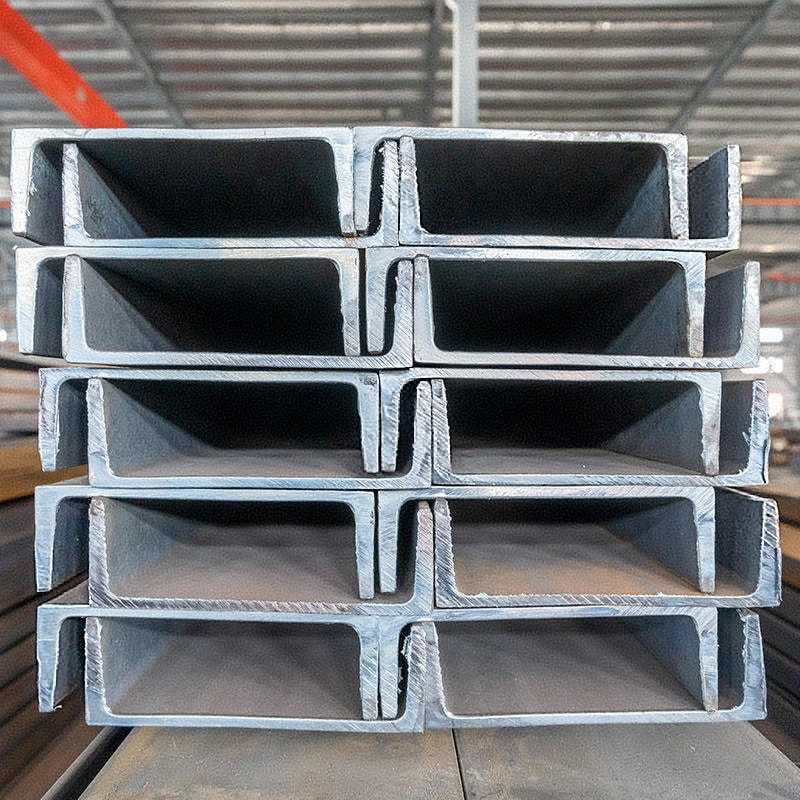
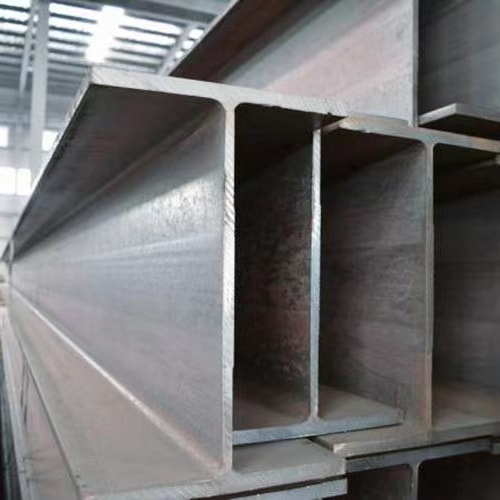
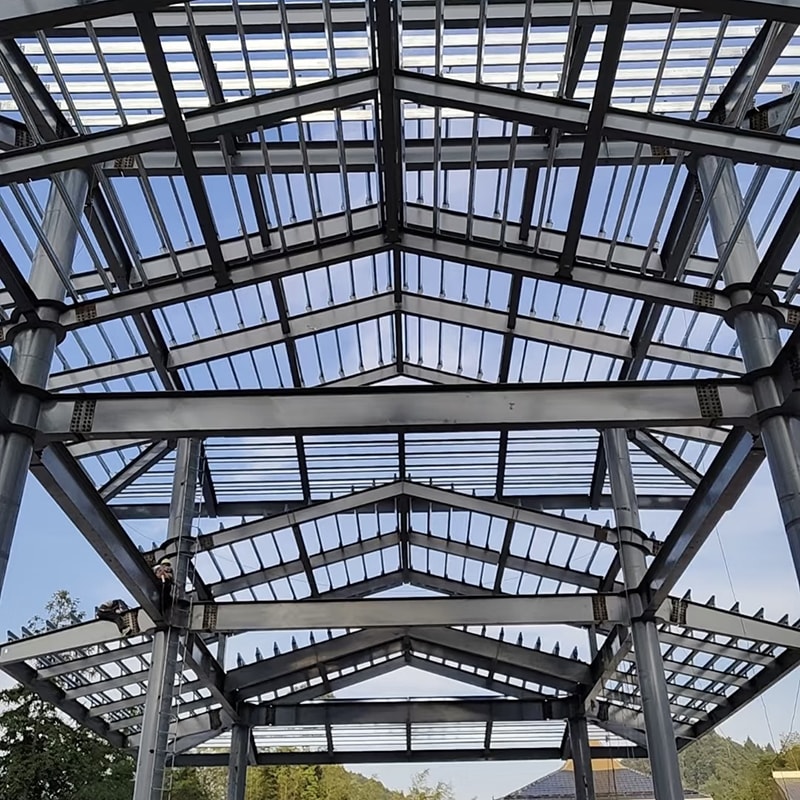

We provide full-process tracking and quality assurance to ensure peace of mind for our international clients.


Our rich range of products meets the needs of military, communication, energy, medical care, industry, and automotive manufacturing sectors globally.
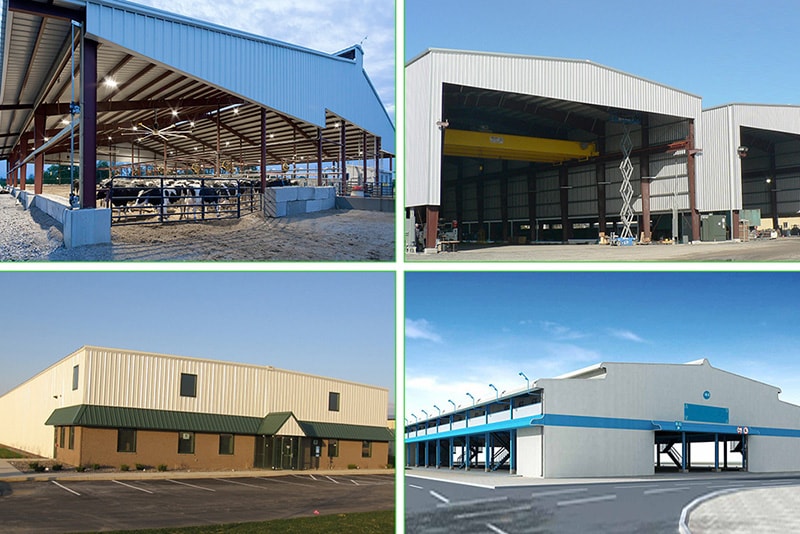
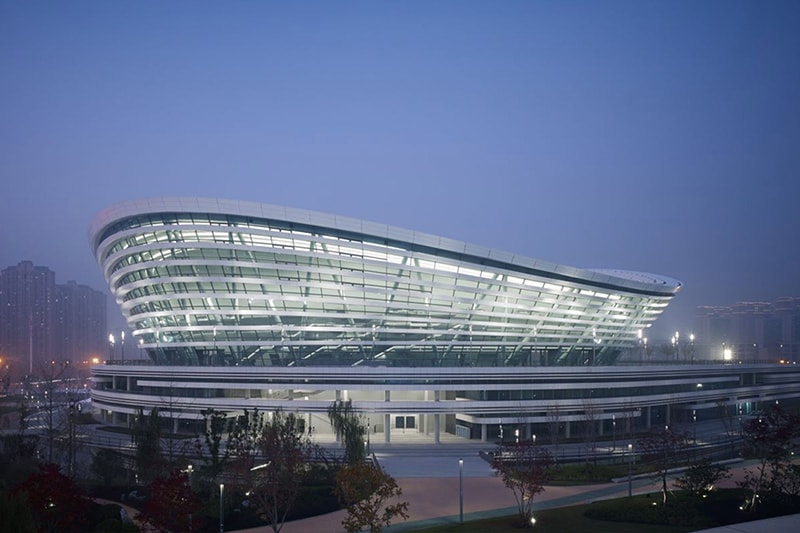
Backed by advanced production facilities, strict international quality control standards, and professional teams, we deliver reliable, high-quality products.
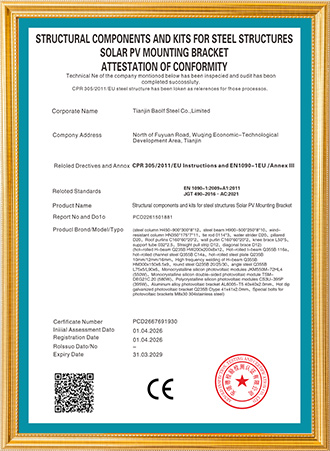
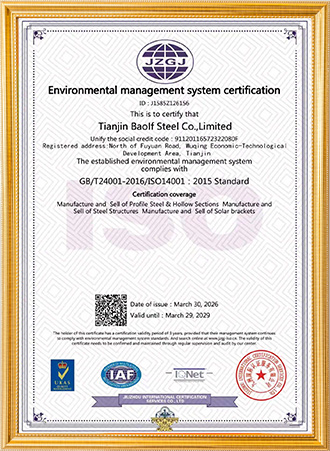
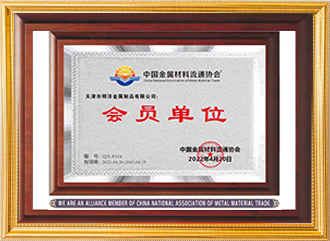
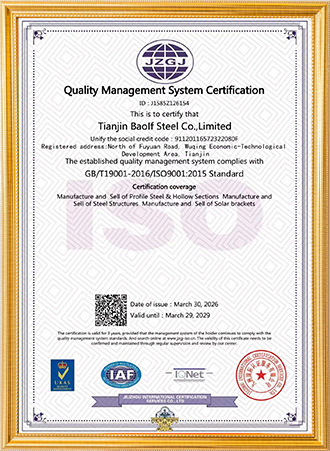
Collaborating with leading enterprises globally to provide top-tier steel manufacturing and supply chain solutions.




Quality Leads the Future — Stay updated with the latest trends in the steel industry.
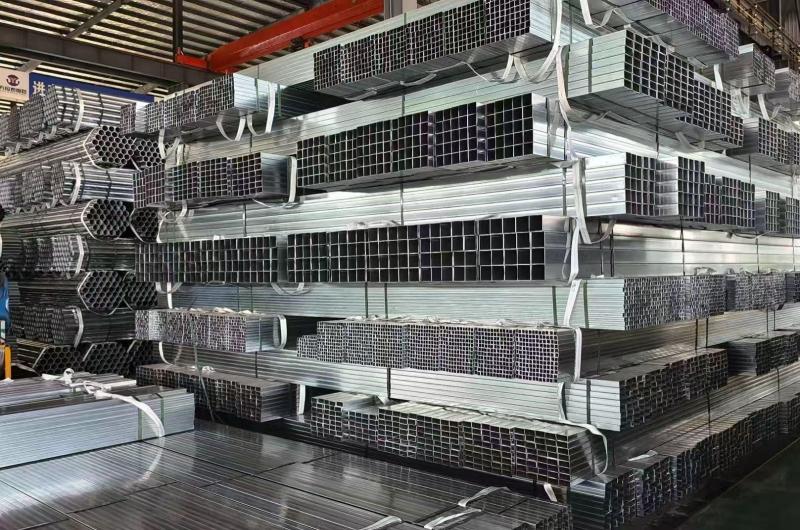
 June 11th, 2026
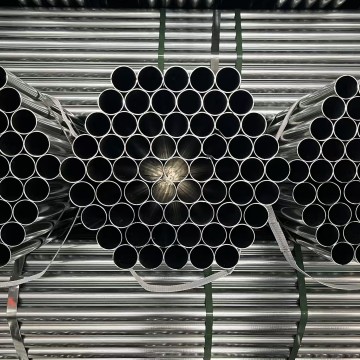
The global galvanized steel pipe industry runs steadily recently, showing strong demand in developing infrastructure hubs.
READ MORE
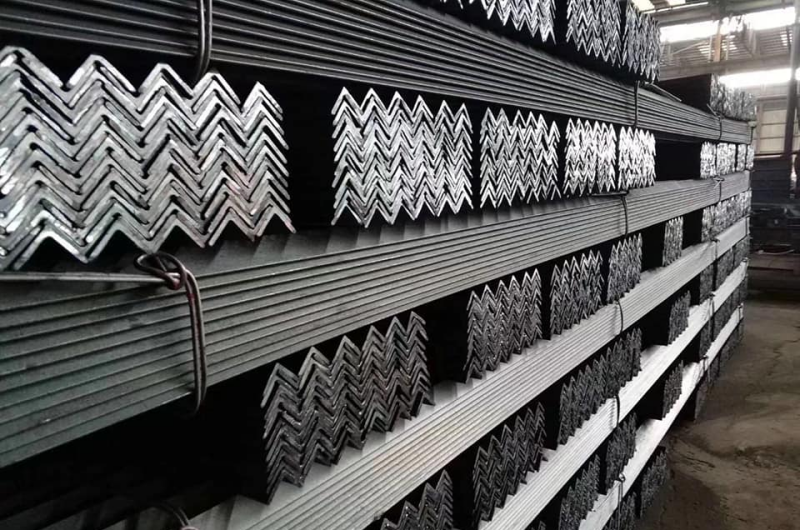 June 11th, 2026
Carbon steel angle bar is one of the most widely used, cost-effective, and versatile structural steel profiles in general construction.
READ MORE
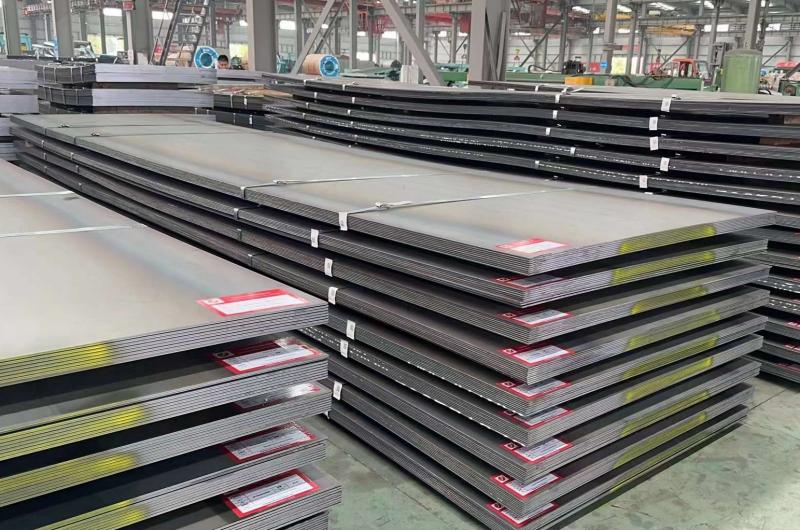 June 09th, 2026
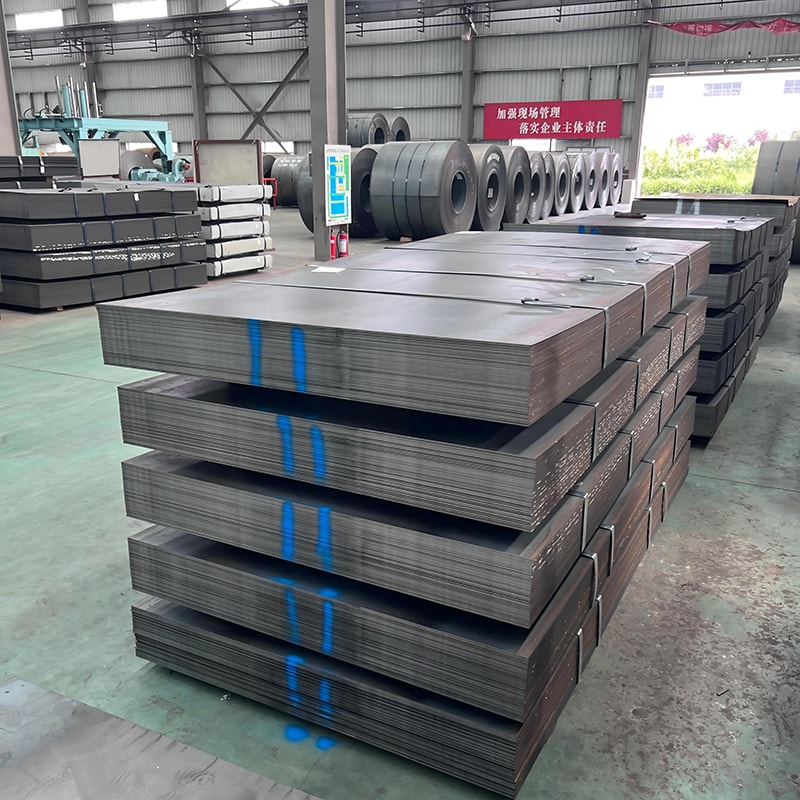
Steel plates are core foundational materials widely used in global infrastructure construction and industrial manufacturing.
READ MORE
When procuring structural steel for large-scale projects in Indonesia, choosing the right manufacturer or supplier is a critical decision that impacts safety, budget, and project timelines. Here are key factors that procurement officers and structural engineers must evaluate:
The thickness of the zinc coating determines the lifespan of the steel angle bar. For inland structures in Java, a standard coating thickness of 45-60 microns may suffice. However, for coastal projects in Jakarta, Bali, or Batam, or high-humidity agricultural zones, hot-dip galvanizing conforming to ASTM A123 (with minimum 85 microns thickness) is recommended to ensure robust corrosion protection.
Delays in material delivery can halt construction sites, resulting in heavy penalties. BAOLF Steel Group’s strategic location—just 20 kilometers from Tianjin Port—allows for swift loading and customs clearance. We maintain strong partnerships with major shipping lines serving Southeast Asian routes, ensuring consistent logistics pipelines directly to major Indonesian ports such as Tanjung Priok, Tanjung Perak, and Belawan.
Reputable suppliers should provide Mill Test Certificates (MTC) for every batch of steel supplied. This certificate details the chemical composition (carbon, manganese, silicon content) and mechanical properties (yield strength, tensile strength, elongation), guaranteeing that the steel will perform as designed under load-bearing conditions.
Browse our full range of structural steel profiles, plates, and pipes available for immediate export to Indonesia.