Leave Your Message
Electric Resistance Welded (ERW) tube is a precision-manufactured hollow steel section produced by rolling steel strip and welding the seam using high-frequency electrical resistance. The result is a tube with consistent wall thickness, tight dimensional tolerances, and excellent mechanical properties — all critical requirements for railway and transport infrastructure.
In the context of global railway expansion, ERW tubes serve as foundational structural components across track support systems, overhead catenary structures, signal gantries, platform canopies, tunneling frameworks, bridge handrails, and rolling stock fabrication. Their combination of cost-efficiency, high strength-to-weight ratio, and weldability makes them the material of choice for civil and structural engineers working on rail projects.
As governments worldwide accelerate investment in high-speed rail, urban metro networks, and intermodal freight corridors, demand for certified, high-quality ERW structural tubes has surged. Baolf Steel Group, with over 800,000 tons annual output and 20+ years of export experience, is positioned at the center of this growing global supply chain.


Core steel tube and pipe products engineered for structural integrity in rail, metro, bridge, and transport applications
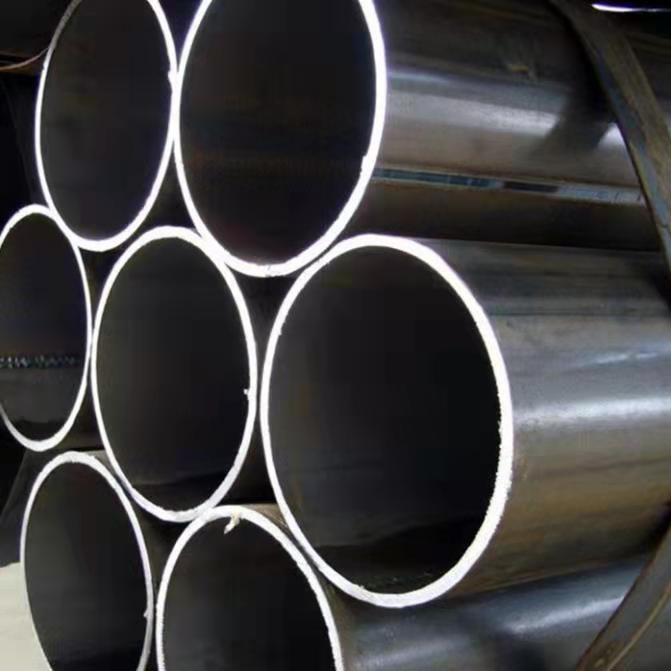
Circular hollow sections used for overhead line equipment (OLE) masts, signal gantry poles, and platform support columns. High pressure resistance and excellent weldability. Available in black steel and galvanized finishes, conforming to GB, EN, ASTM standards.
LEARN MORE ›Square hollow sections ideal for platform canopy structures, station building frames, and trackside equipment enclosures. High rigidity, stable mechanical properties, and excellent weldability. Available in black and galvanized finishes with customizable lengths.
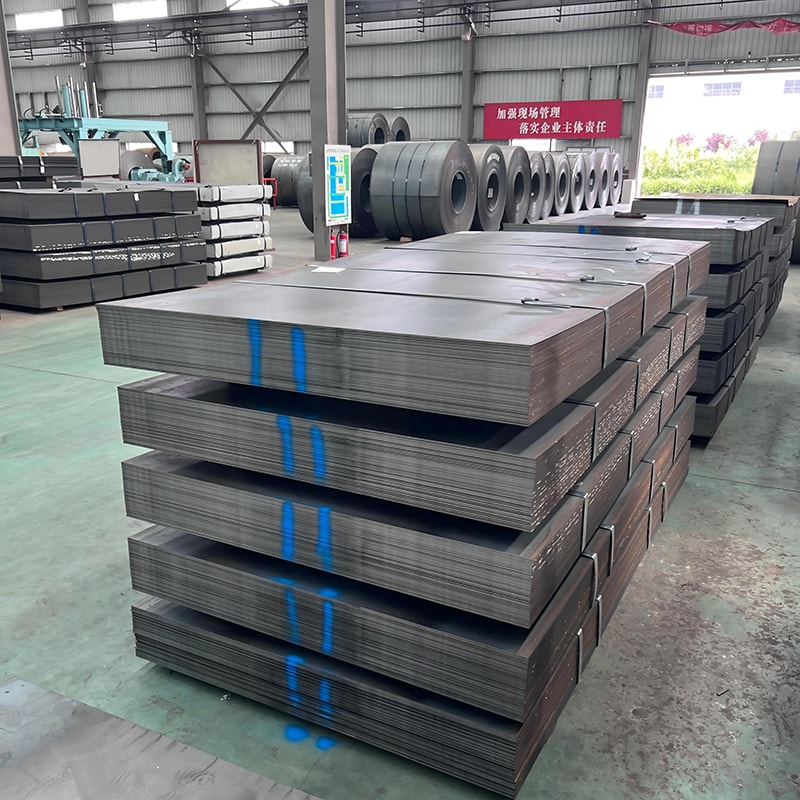
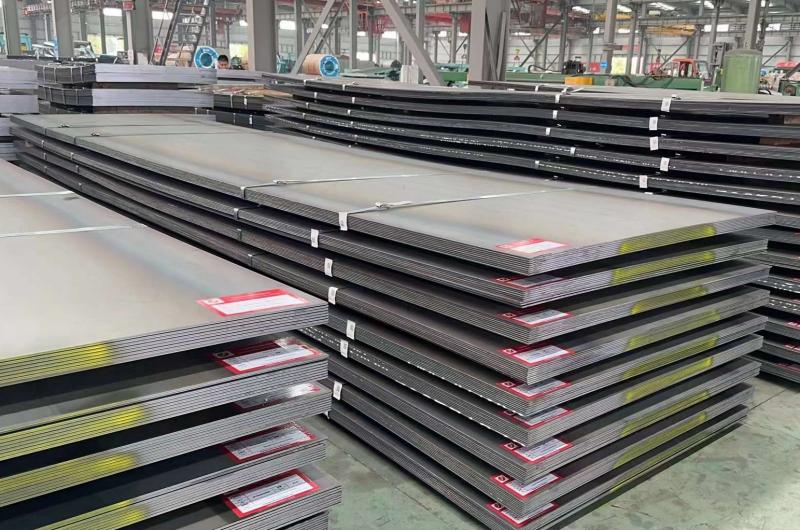
LEARN MORE ›Hot-rolled and cold-rolled steel plates used in bridge deck fabrication, rail bed base plates, and track switch housings. Good strength, excellent weldability, and compliant with GB, EN, ASTM and other international standards. Customizable dimensions available.
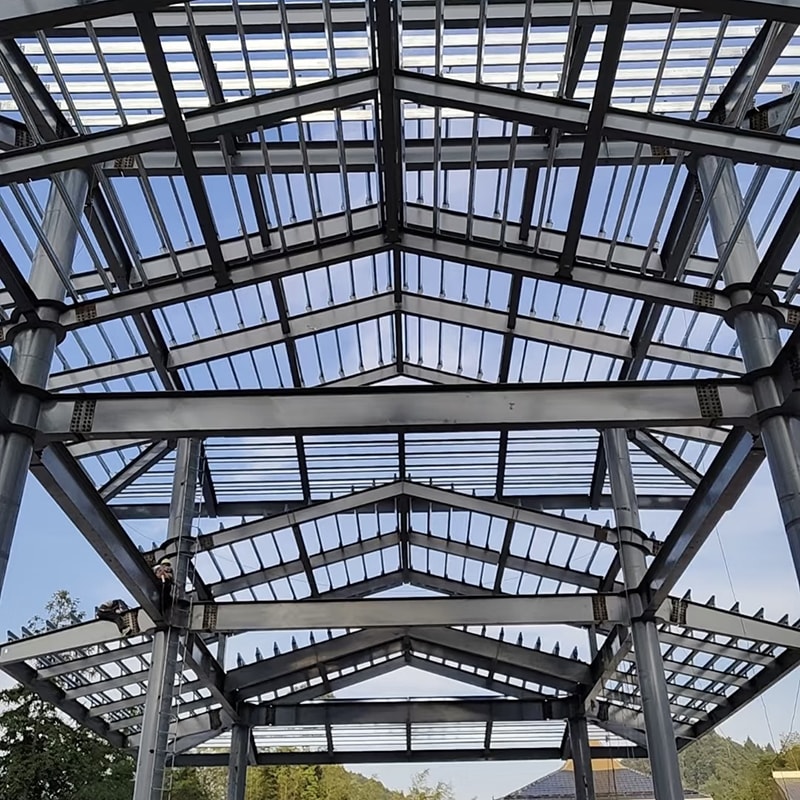
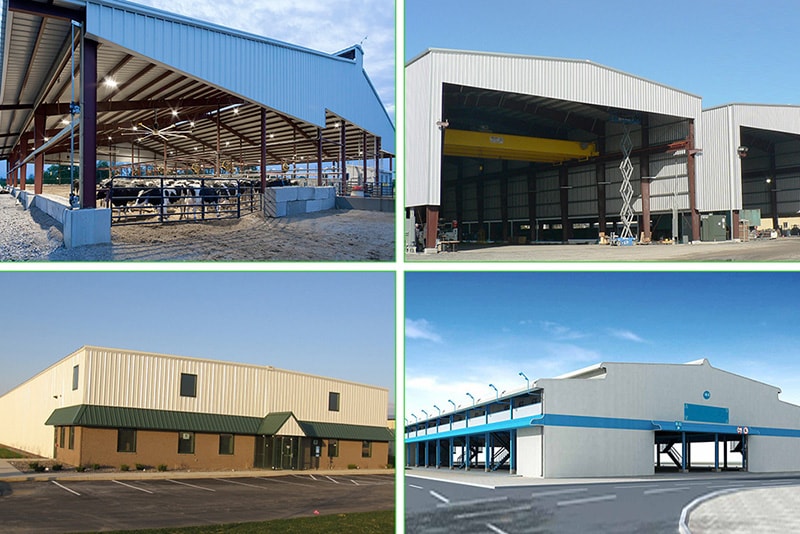
LEARN MORE ›Prefabricated modular steel structures for railway station terminals, maintenance depots, and freight warehouses. High strength, seismic resistance, rapid construction, and eco-friendly. Widely applied across rail infrastructure projects globally.
LEARN MORE ›Understanding why ERW tube outperforms alternatives in demanding railway and transport environments
ERW manufacturing delivers tight OD and wall thickness tolerances (typically ±0.5mm), critical for rail structural connections, bolt patterns, and modular assembly systems where consistency across thousands of components is mandatory.
Hollow section ERW tubes provide excellent structural efficiency. For railway overhead structures, platform canopies, and bridge handrail systems, reducing dead load while maintaining load capacity is a fundamental engineering requirement.
Low carbon equivalent values in ERW tube grades ensure clean, reliable welding without preheating in most ambient conditions — accelerating fabrication timelines for large-scale rail infrastructure projects.
Available in hot-dip galvanized, pre-galvanized, and anti-corrosion coated finishes. Essential for outdoor trackside structures, coastal port terminals, and elevated metro viaducts exposed to harsh environmental conditions.
ERW tubes are available in round, square, and rectangular profiles, enabling engineers to select the optimal section for each application — from circular signal poles to rectangular frame members in station buildings.
Baolf ERW tubes are manufactured to EN 10210, EN 10219, ASTM A500/A501, GB/T 6728, and JIS G3466 standards, facilitating smooth procurement and certification for international railway project tenders.
Standard size ranges and mechanical properties for railway and transport infrastructure applications
| Profile Type | OD / Size Range | Wall Thickness | Yield Strength | Tensile Strength | Standard | Finish |
|---|---|---|---|---|---|---|
| Round ERW Pipe | 21.3mm – 610mm | 1.8mm – 20mm | ≥235 MPa | 360–510 MPa | EN 10219 / ASTM A500 | Black / Galvanized |
| Square ERW Tube | 20×20 – 400×400mm | 1.5mm – 16mm | ≥235 MPa | 360–510 MPa | GB/T 6728 / EN 10219 | Black / Galvanized |
| Rectangular ERW Tube | 30×20 – 500×300mm | 1.5mm – 16mm | ≥235 MPa | 360–510 MPa | GB/T 6728 / EN 10219 | Black / Galvanized |
| High-Strength ERW Pipe | 48.3mm – 323.9mm | 3.2mm – 12.5mm | ≥355 MPa | 470–630 MPa | EN 10210 S355 / ASTM A501 | Black / Painted |
From high-speed rail corridors to urban metro systems — a detailed look at where and how ERW tubes deliver critical structural performance
ERW round tubes form the masts and cantilever arms of overhead catenary systems that supply power to high-speed trains at 250–350 km/h. Dimensional accuracy and fatigue resistance are paramount, as these structures endure constant aerodynamic loads from passing trains. Hot-dip galvanized ERW tubes with S355 grade are standard for HSR OCS projects in Europe, China, and Southeast Asia.
Urban metro stations require lightweight yet robust canopy and shelter structures that can be rapidly installed with minimal disruption to operations. ERW square and rectangular tubes are ideal for the primary frame members, secondary purlins, and fascia elements of platform canopies. Their clean surface finish also supports architectural aesthetics in high-visibility public spaces.
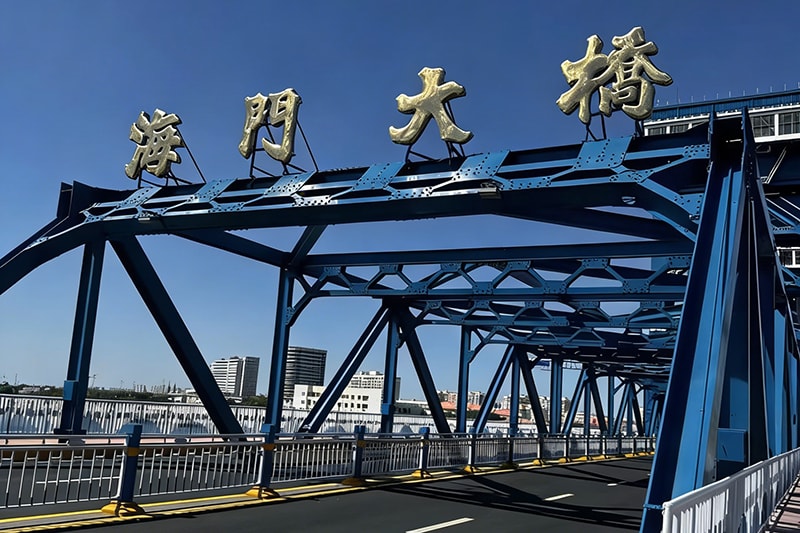
Pedestrian bridges, level crossing barriers, and trackside safety fencing extensively use ERW round and square tubes. Galvanized ERW tubes provide the corrosion resistance required for 25+ year service life in outdoor environments, while meeting EN 1090 structural execution standards for railway safety-critical applications.
Signal gantries spanning multiple tracks carry ETCS/ERTMS signaling equipment, speed boards, and overhead line fittings. These structures demand high torsional stiffness and precise fabrication. ERW square hollow sections (SHS) provide excellent torsional resistance compared to open sections, making them the preferred choice for modern signaling infrastructure.
Passenger coach underframes, freight wagon chassis, and locomotive body structures incorporate ERW tubes as secondary structural members, floor cross-members, and equipment mounting frames. Tight tolerances and consistent mechanical properties across large production batches are essential for rolling stock manufacturers operating under EN 15085 welding certification.
Container port rail terminals, intermodal freight hubs, and ro-ro ferry terminals use ERW tubes extensively in crane rail support structures, container handling gantry frames, and trackside utility distribution systems. The proximity of Baolf's Tianjin facility to Tianjin Port — only 20km — provides significant logistics and cost advantages for port infrastructure supply chains.
Elevated light rail transit (LRT) and metro viaducts require vast quantities of structural steel tubes for parapet systems, utility conduit supports, maintenance walkway frames, and drainage systems. ERW rectangular hollow sections provide the structural depth required for spanning between columns while maintaining a slim visual profile.
Railway traction power substations (TPS) and autotransformer stations require robust structural steel frameworks to support transformers, switchgear, and cable management systems. ERW tubes provide the structural integrity and electrical isolation distances required by railway electrification standards, with galvanized finishes ensuring long-term corrosion protection in outdoor substations.
Industry dynamics shaping the future of ERW structural tube supply for global rail infrastructure investment
Asia-Pacific accounts for over 60% of new railway construction globally. China's Belt and Road Initiative (BRI) alone has funded 35,000+ km of rail projects across 60+ countries. India's National Rail Plan targets 200,000 km of rail network upgrades by 2030. Southeast Asian nations are rapidly expanding metro systems in Manila, Jakarta, Kuala Lumpur, and Bangkok — all generating substantial demand for structural ERW tubes.
The European Green Deal and Net Zero commitments are accelerating modal shift from road and air to rail. The EU's Trans-European Transport Network (TEN-T) program allocates €130 billion for rail infrastructure through 2030. This policy-driven investment surge creates consistent long-term demand for high-quality structural steel tubes in rail projects across 27 member states.
Modern rail projects increasingly specify prefabricated structural steel assemblies manufactured off-site to reduce on-site construction time and labor costs. This trend benefits ERW tube suppliers who can deliver pre-cut, pre-drilled, and pre-coated tube assemblies. Baolf's in-house cutting and processing capabilities at Tianjin HYTD Steel Co. directly serve this market requirement.
International railway project tenders increasingly require third-party certified steel with full mill test reports, material traceability, and compliance with EN 10204 Type 3.1 or 3.2 inspection certificates. Baolf Steel Group's comprehensive certification portfolio and systematic quality documentation process positions it to meet these demanding procurement requirements.
Sub-Saharan Africa and the Middle East are emerging as high-growth markets for rail infrastructure. Saudi Arabia's NEOM megaproject includes a 170km high-speed rail backbone. Nigeria, Ethiopia, Kenya, and Tanzania are all executing major standard-gauge railway programs with Chinese and international financing — creating new export opportunities for compliant ERW tube suppliers.
Railway electrification programs in India (100% electrification target), Southeast Asia, and Africa are generating unprecedented demand for overhead catenary system (OCS) structures — primarily ERW round tubes. Simultaneously, the rollout of ETCS Level 2 signaling and digital rail management systems requires new trackside structural installations across existing networks.
Only 20KM Away From Tianjin Port, Save Much Cost. 800,000 Tons Annual Output Per Year. Baolf Steel Group has grown from a single steel profile manufacturer into a comprehensive steel industrial group serving global railway, construction, energy, and infrastructure markets.
End-to-end transparency and quality assurance from order placement to port delivery

Free Quality Checking Report will be given after inquiry or before order

Each week update produce status by email. After finishing production, Free Quality Checking report will be given within 2 days

Each truck photo with loading details will be given when sending cargo to port. Cargo store photo in sea port yard will be given.

Photo for cargo loading inner the ship will be given

Each week update shipline status and location and ETA. Reminding before shipline arrives 10 days.
Get a free quality checking report and competitive quote from Baolf Steel Group — 800,000 tons annual output, only 20km from Tianjin Port.
Request a Free QuoteOur rich range of products can meet the needs of railway, transport, energy, military, communication, medical care, industry, and automotive manufacturing.
Complete structural steel product portfolio for railway tracks, transport hubs, bridges, and civil engineering projects
Steel plate widely used in construction, steel structures, shipbuilding, machinery manufacturing, engineering equipment and fabrication. Hot-rolled and cold-rolled options, customizable dimensions, compliant with GB, EN, ASTM and other international standards.
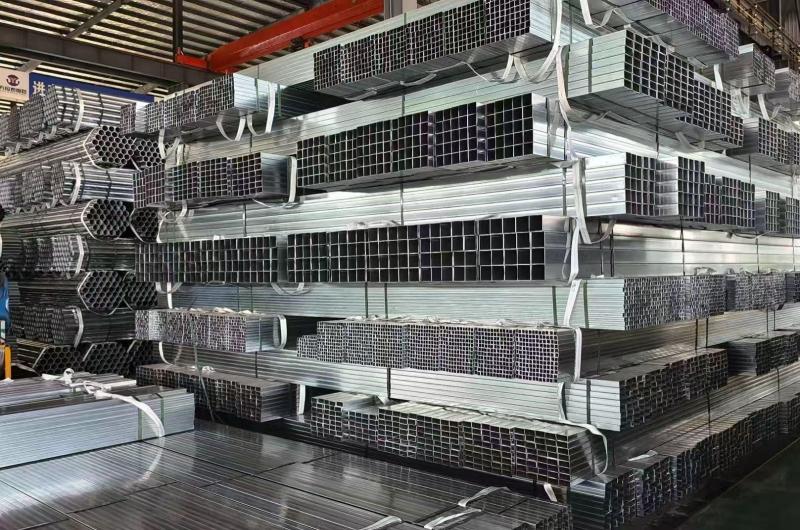
LEARN MORE ›Square pipe is a hollow structural steel profile with a square cross-section. High strength, good rigidity, stable mechanical properties, excellent weldability. Available in black and galvanized finishes with complete specifications and customizable lengths.
LEARN MORE ›Round Pipe is a hollow section steel profile with a circular cross-section, widely used in construction, steel structures, pipelines, machinery manufacturing and engineering support. Black steel and galvanized pipes available, conforming to GB, EN, ASTM standards.
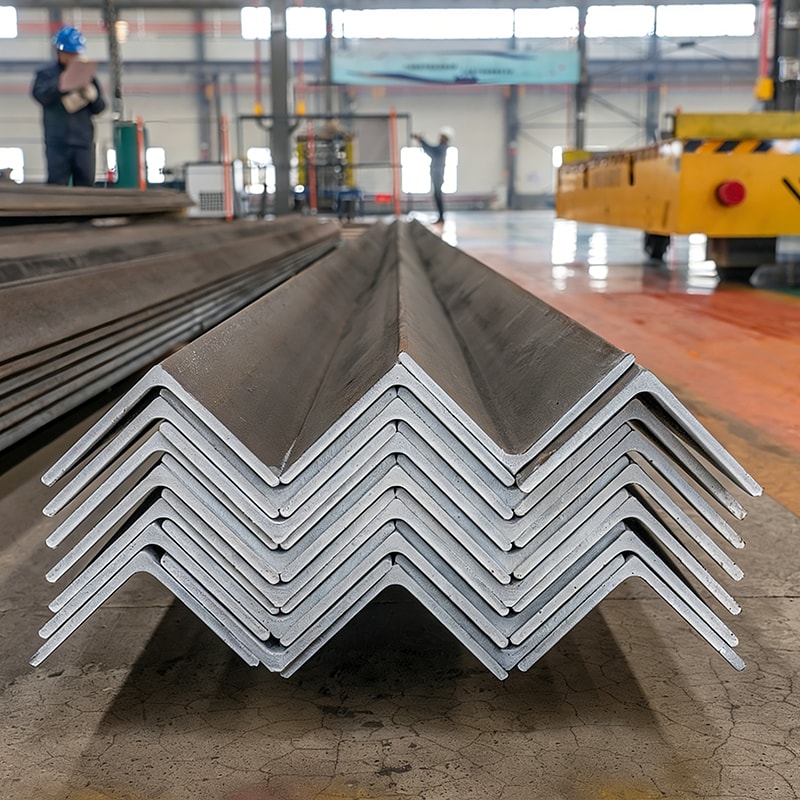
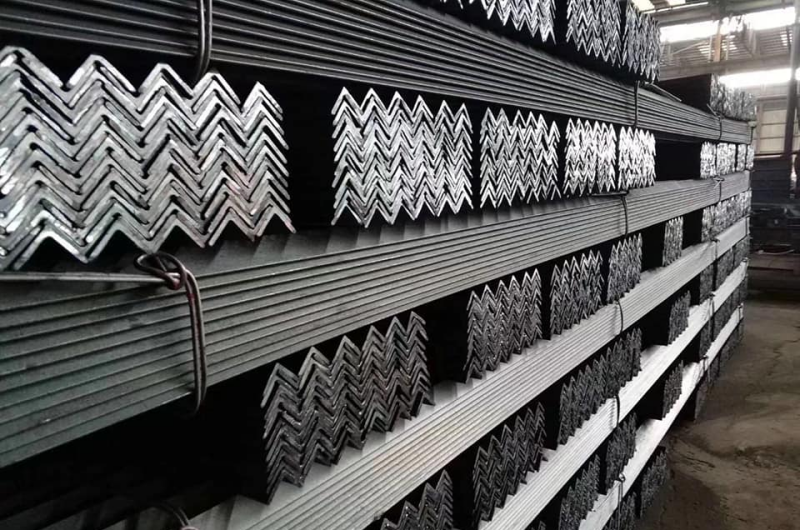
LEARN MORE ›Steel Angle, also known as L-shaped steel, is a hot-rolled carbon steel section with right-angle cross-section, widely used in steel structures, bridges, construction, transmission towers, machinery manufacturing, and support frames. Available in equal and unequal angle specifications.
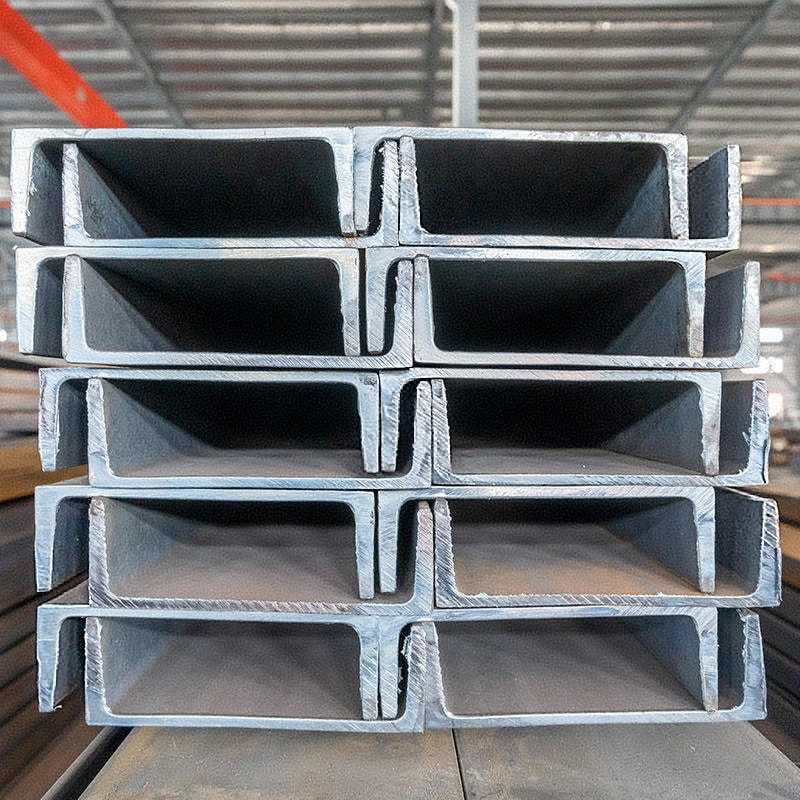
LEARN MORE ›Steel Channel, also known as U-Channel or C-Channel, is a hot-rolled structural steel profile with a U-shaped cross-section. High strength, rigidity, good weldability. Widely used in construction, steel frames, transmission towers, bridges, automotive, machinery and support brackets.
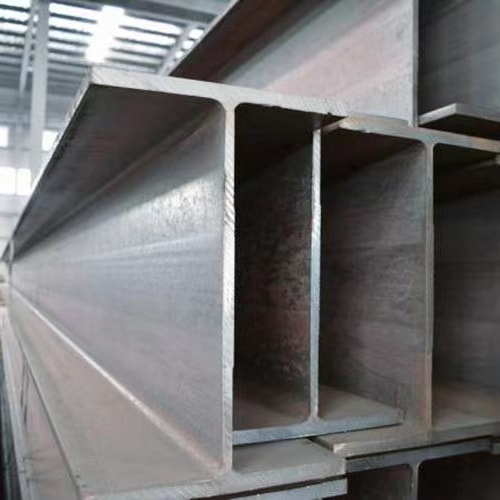
LEARN MORE ›Steel H Beam is a hot-rolled structural steel profile with an H-shaped cross-section. High strength, superior rigidity, stable mechanical properties, excellent weldability. Widely used in steel structures, building frames, bridges, transmission towers, industrial workshops and engineering support.
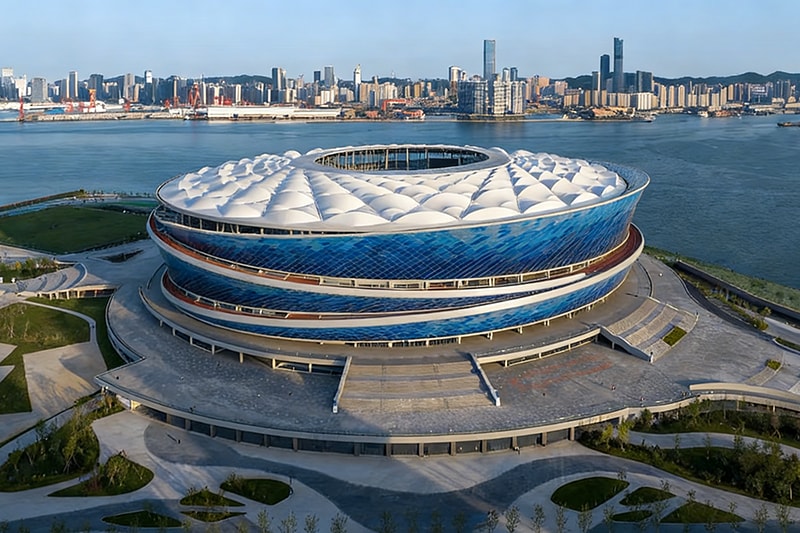
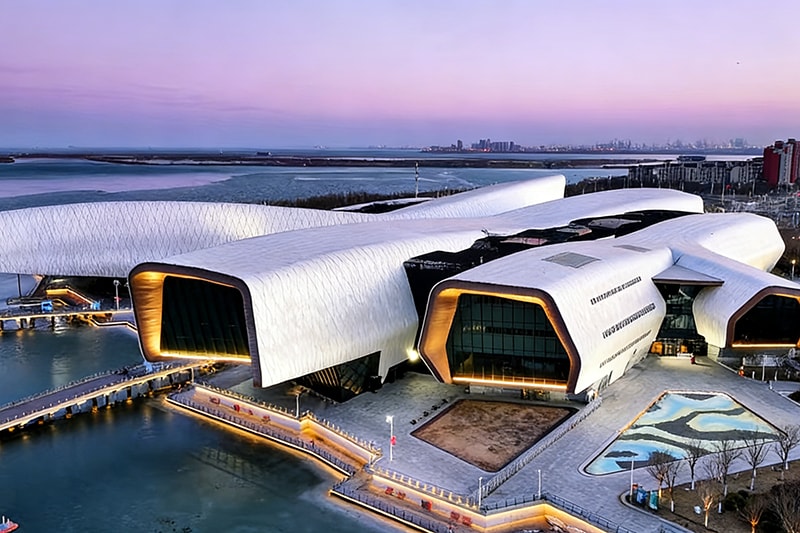
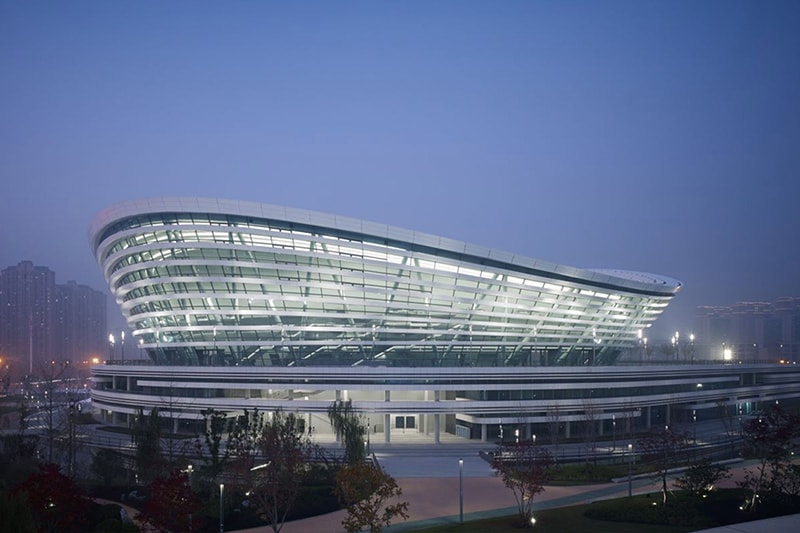
LEARN MORE ›Steel structures adopt steel beams, columns and trusses as their main load-bearing framework. High strength, light weight, good durability, excellent anti-corrosion performance, outstanding seismic resistance. Prefabricated in modules for rapid construction. Fully recyclable and eco-friendly.
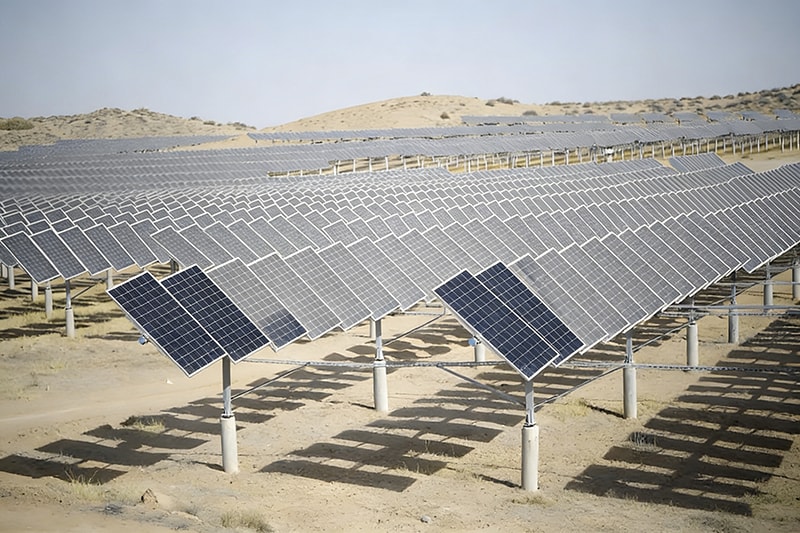
LEARN MORE ›Solar brackets use galvanized steel, aluminum alloy or carbon steel as main structural components to fix and support photovoltaic modules. Excellent load-bearing capacity, anti-rust and anti-corrosion performance, customizable for flexible installation. Widely used in photovoltaic projects.
LEARN MORE ›Backed by advanced production facilities, strict international quality control standards and professional teams, we deliver reliable, high-quality products.
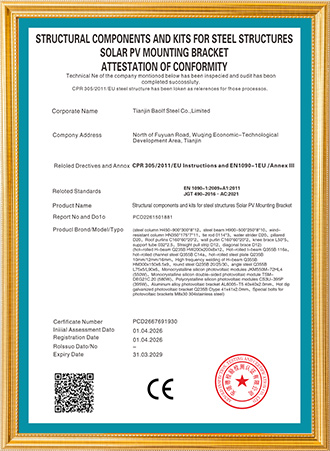
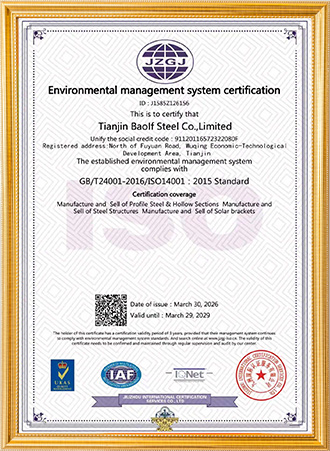
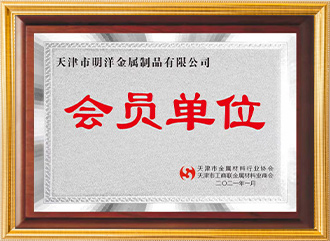
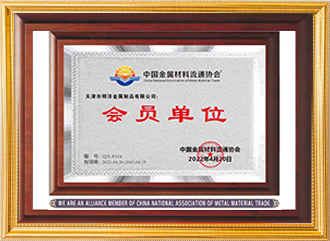
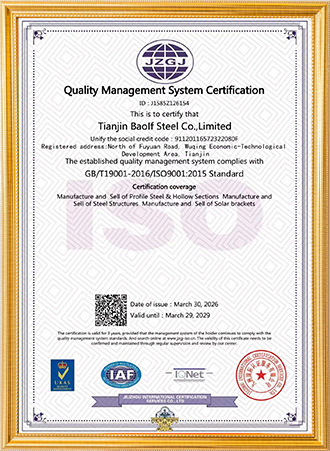
Trusted by leading railway contractors, infrastructure developers, and steel distributors worldwide




Quality lead the future — industry insights, market updates, and product knowledge from Baolf Steel Group
 June 11th, 2026
The global galvanized steel pipe industry runs steadily recently.
READ MORE June 11th, 2026
Carbon steel angle bar is one of the most widely used, cost-effective, and versatile structural steel profiles in global industry.
READ MORE
June 9th, 2026Steel plates are core foundational materials widely used in global infrastructure construction and industrial manufacturing.
READ MORE